Vetsys Pharmaceutical
Direct factory supply of high-purity API premixes, therapeutic intramammary infusions, and water treatment agents for commercial livestock farms.
Understanding the modern shift toward high-efficiency dairy farming, biosecurity compliance, and target-driven veterinary therapeutics.
The global dairy and livestock production industry is currently undergoing a structural transition. Driven by expanding global population, rising urban consumption of high-protein dairy products, and stringent international standards on milk quality, commercial dairy enterprises are under intense pressure to optimize herd yield while minimizing therapeutic downtime. Within this operational ecosystem, lactation support products—encompassing anti-mastitis intramammary infusions, galactagogues, energy metabolism enhancers, and post-partum metabolic regulators—have evolved from secondary farm inputs into mission-critical biosecurity and yield-preservation assets.
Subclinical and clinical mastitis remain the most financially devastating health conditions affecting modern dairy herds globally. Annual economic losses attributed to reduced milk output, discarded milk during treatment withholding periods, premature culling, and direct veterinary expenses exceed tens of billions of dollars worldwide. Consequently, international B2B buyers, institutional importers, and large-scale agricultural conglomerates are increasingly seeking specialized manufacturing partners capable of delivering standardized, high-potency, low-residue lactation management formulations.
A deep dive into China's integrated pharmaceutical supply chain, regulatory alignment, and economies of scale.
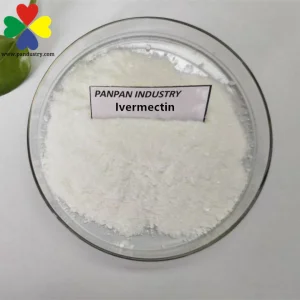
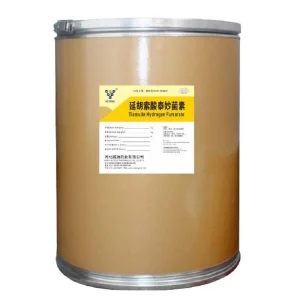
China commands the global synthesis of key active pharmaceutical ingredients (APIs) such as Tiamulin Hydrogen Fumarate, Amoxicillin Trihydrate, Neomycin Sulfate, and Ivermectin. Direct raw material access guarantees supply stability and unmatched cost efficiency.
Modern Chinese veterinary pharmaceutical manufacturers operate under upgraded Ministry of Agriculture and Rural Affairs (MARA) GMP guidelines. These standards match international PIC/S and WHO guidelines, ensuring sterile processing, air purity controls, and complete batch traceability.
From custom syringe volume fill for intramammary tubes to specialized concentration dry-powder premixes, Chinese manufacturing facilities provide highly flexible, large-scale custom packaging and formulation development for multinational brands.
By controlling every tier of production—from intermediate chemical synthesis to sterile automated filling and blow-fill-seal (BFS) syringe assembly—leading Chinese factories insulate international B2B clients from pricing volatility and batch delivery delays. This end-to-end sovereignty ensures consistent batch-to-batch bioequivalence.
Modern veterinary science requires that lactation support agents address multi-factorial challenges simultaneously. Chinese research institutions and enterprise R&D departments have spearheaded several core breakthroughs:
1. Synergistic Beta-Lactamase Inhibitor Combinations: Pathogens such as Staphylococcus aureus and Escherichia coli frequently develop resistance via beta-lactamase enzyme secretion. Advanced formulations combining broad-spectrum aminopenicillins (Amoxicillin or Ampicillin) with resistant-stable semi-synthetic penicillins (Cloxacillin) effectively neutralize enzyme degradation, restoring full bacterial sensitivity during bovine mastitis therapy.
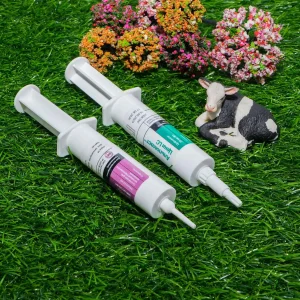
2. Micronized Vehicle Suspensions for Intramammary Syringes: The physical dispersion of active ingredients within the udder cistern dictates clinical efficacy. Utilizing non-irritating vegetable oil bases modified with aluminum monostearate thixotropic agents, Chinese manufacturers produce smooth suspensions that adhere to the mammary mucosa without causing inflammatory tissue swelling or chemical irritation.
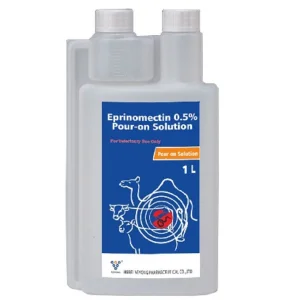
3. Broad-Spectrum Parasitic Control in Milk-Producing Animals: Internal and external parasite infestations severely restrict galactopoiesis by diverting metabolic energy toward immune defense. Advanced pour-on solutions such as 0.5% Eprinomectin offer zero-milk-withdrawal parasite management, allowing dairy managers to treat lactating cows without sacrificing commercial milk sales.
A recognized leader in veterinary pharmaceutical manufacturing, technological R&D, and global compliance.
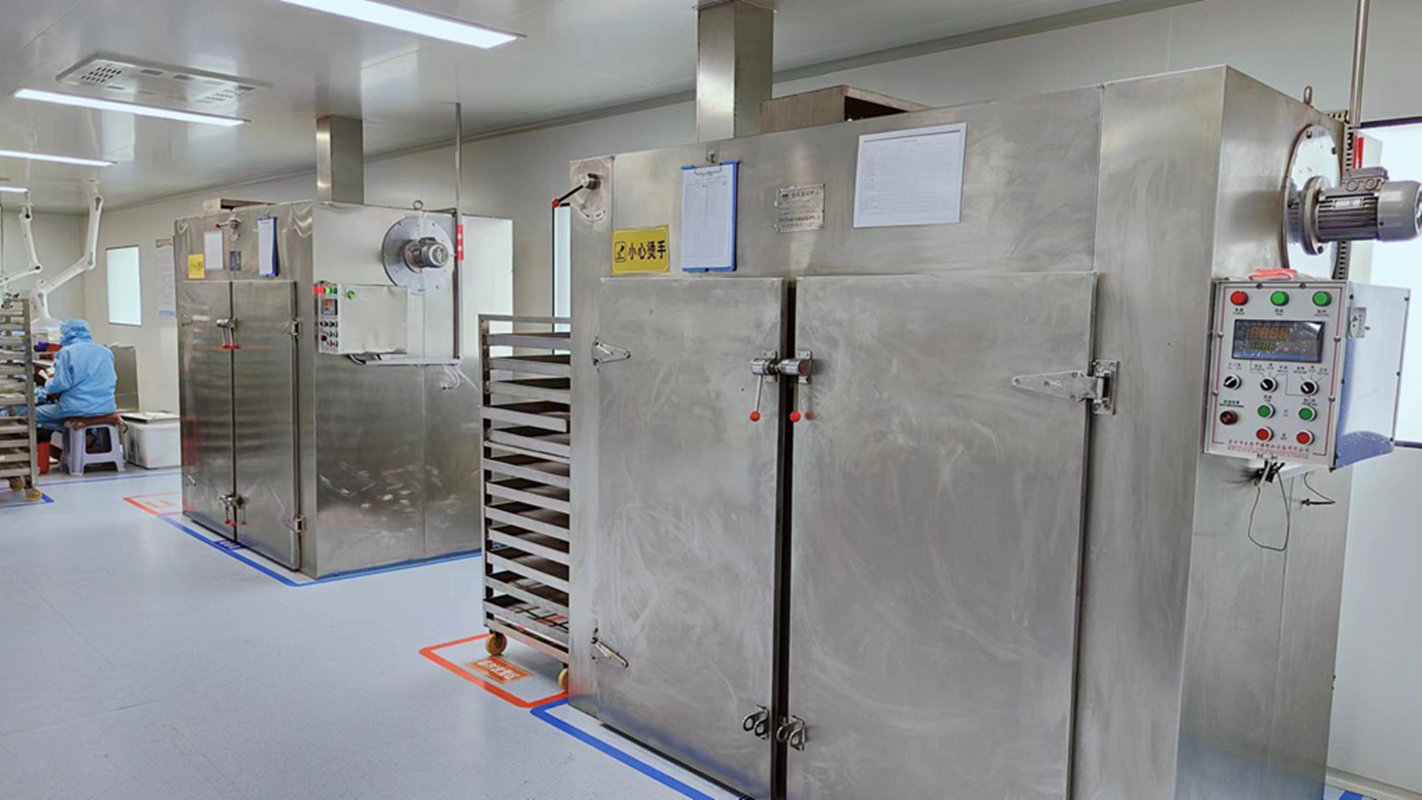
Zhengzhou Vetsys Pharmaceutical Co., Ltd. (Vetsys), established in 2005, stands as a premier enterprise in the animal pharmaceutical sector with a registered capital of 30 million RMB. The company’s state-of-the-art manufacturing infrastructure features dedicated, multi-line workshops engineered for producing an expansive portfolio, including powders & premixes, sterile injections, powder injections, oral solutions, tablets, granules, herbal drug extracts, and industrial disinfectants.
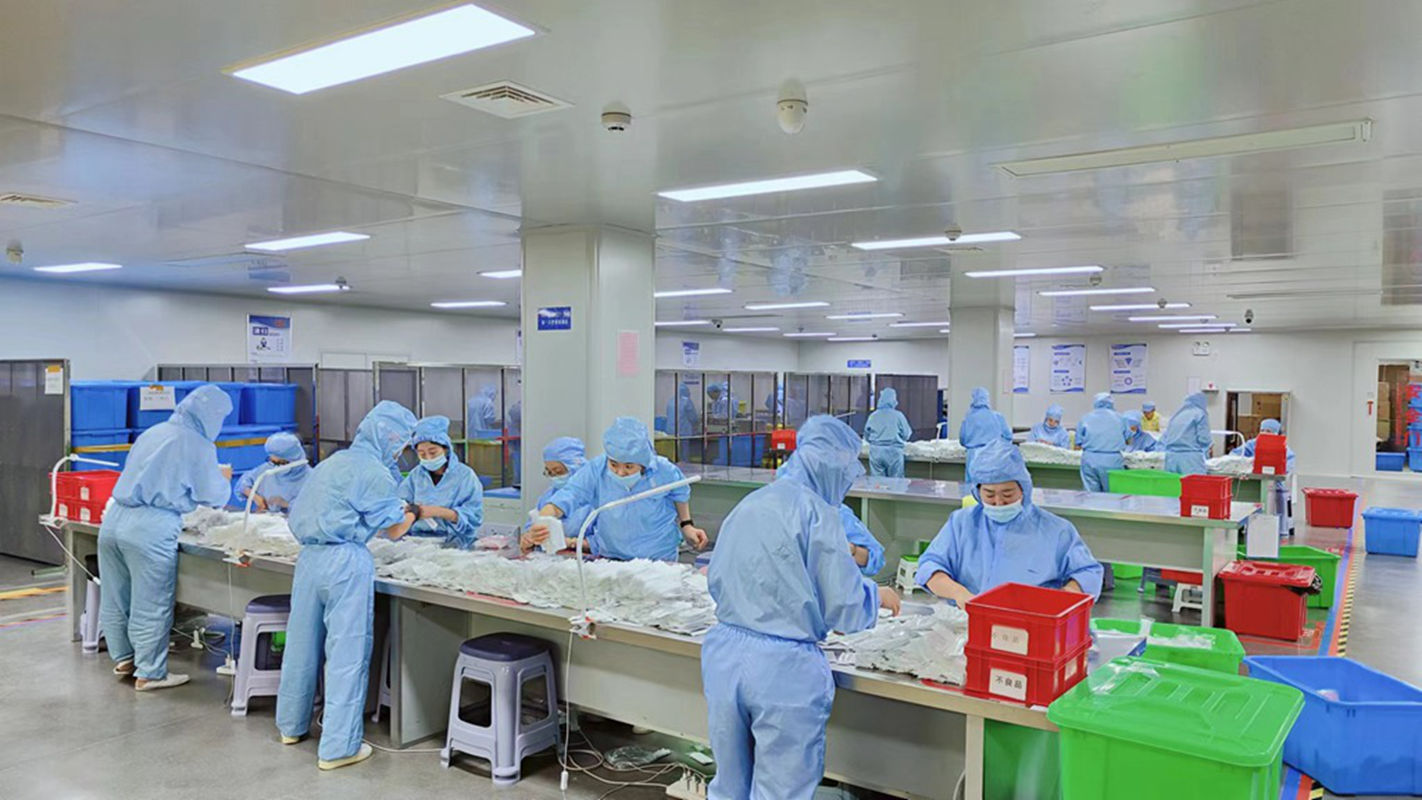
Vetsys operates in full adherence to strict Good Manufacturing Practices (GMP), enforcing rigorous standards to ensure every production cycle satisfies internationally recognized quality benchmarks. Through decades of technical refinement and market expansion, Vetsys established itself as one of top animal pharmaceutical producers in China, generating annual sales exceeding USD 20 million within the domestic sector by 2015 and continuously scaling its global export footprint.
Vetsys distinguishes itself from traditional manufacturers by placing technological development and continuous scientific research at the core of its business strategy. The enterprise has established an independent, fully equipped research institute comprising five specialized laboratories staffed by a multidisciplinary team of world-class scientists and veterinary pharmacologists. This robust R&D engine empowers Vetsys to rapidly react to emerging global disease challenges and formulate cutting-edge animal health products.
Our ongoing dedication to research ensures that Vetsys remains at the dynamic forefront of the industry, consistently refining existing therapeutic lines and contributing actionable advancements to global livestock health management.
Quality represents the unwavering cornerstone of Vetsys operations. The company has implemented a total quality management system (TQMS) that exercises complete oversight across every manufacturing phase—from raw active ingredient testing to final package sealing. By strictly complying with international GMP parameters, all products undergo rigorous analytical testing, including HPLC assay verification, sterility testing, and stability evaluations prior to commercial distribution.
As part of its long-term corporate vision, Vetsys is deeply committed to environmental sustainability. The company continuously invests in green synthesis techniques, energy-efficient HVAC air filtration systems, and zero-discharge wastewater pre-treatment protocols (utilizing advanced industrial flocculants like Anionic Polyacrylamide PAM) to minimize its ecological footprint. Furthermore, Vetsys is actively expanding its global strategic partnerships, bringing high-potency, safe, and environmentally sustainable animal health solutions to livestock producers worldwide.
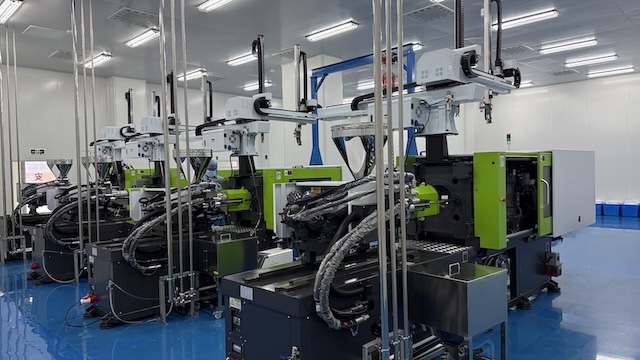
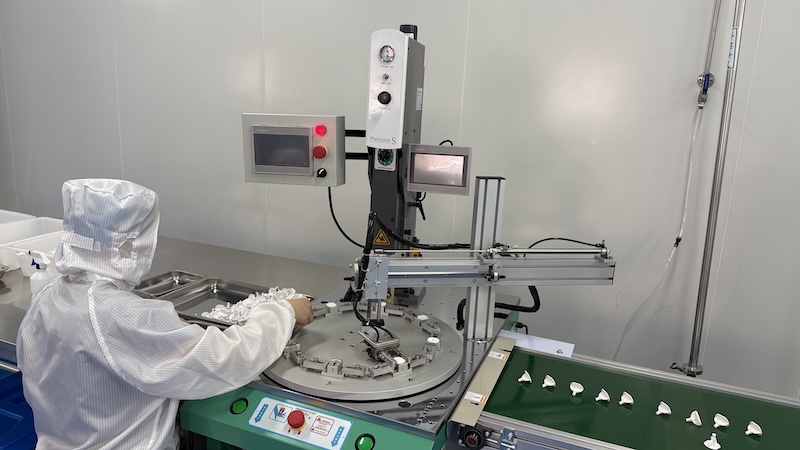
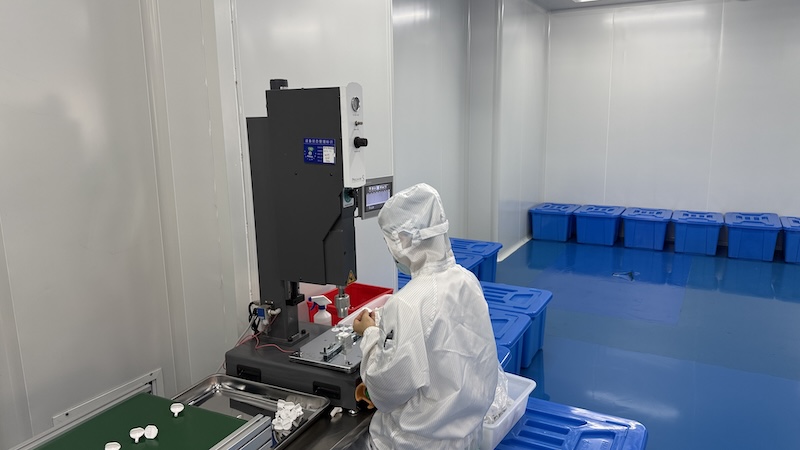
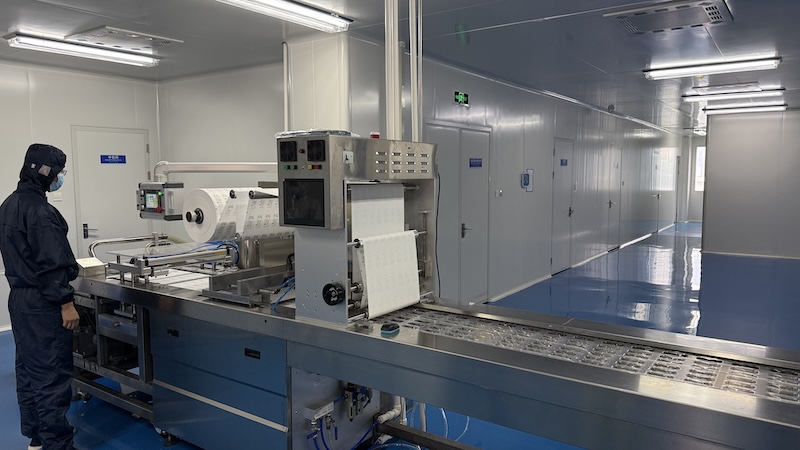
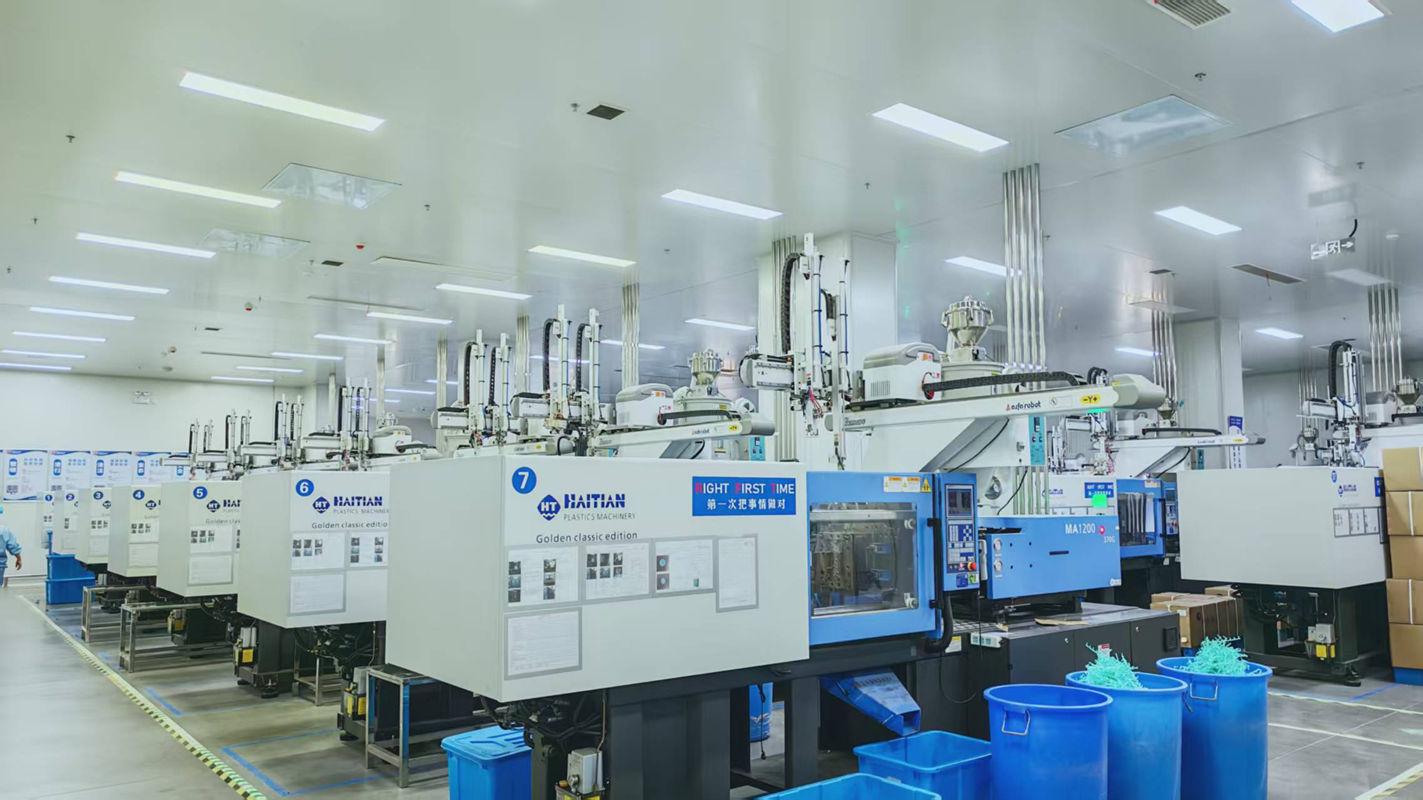
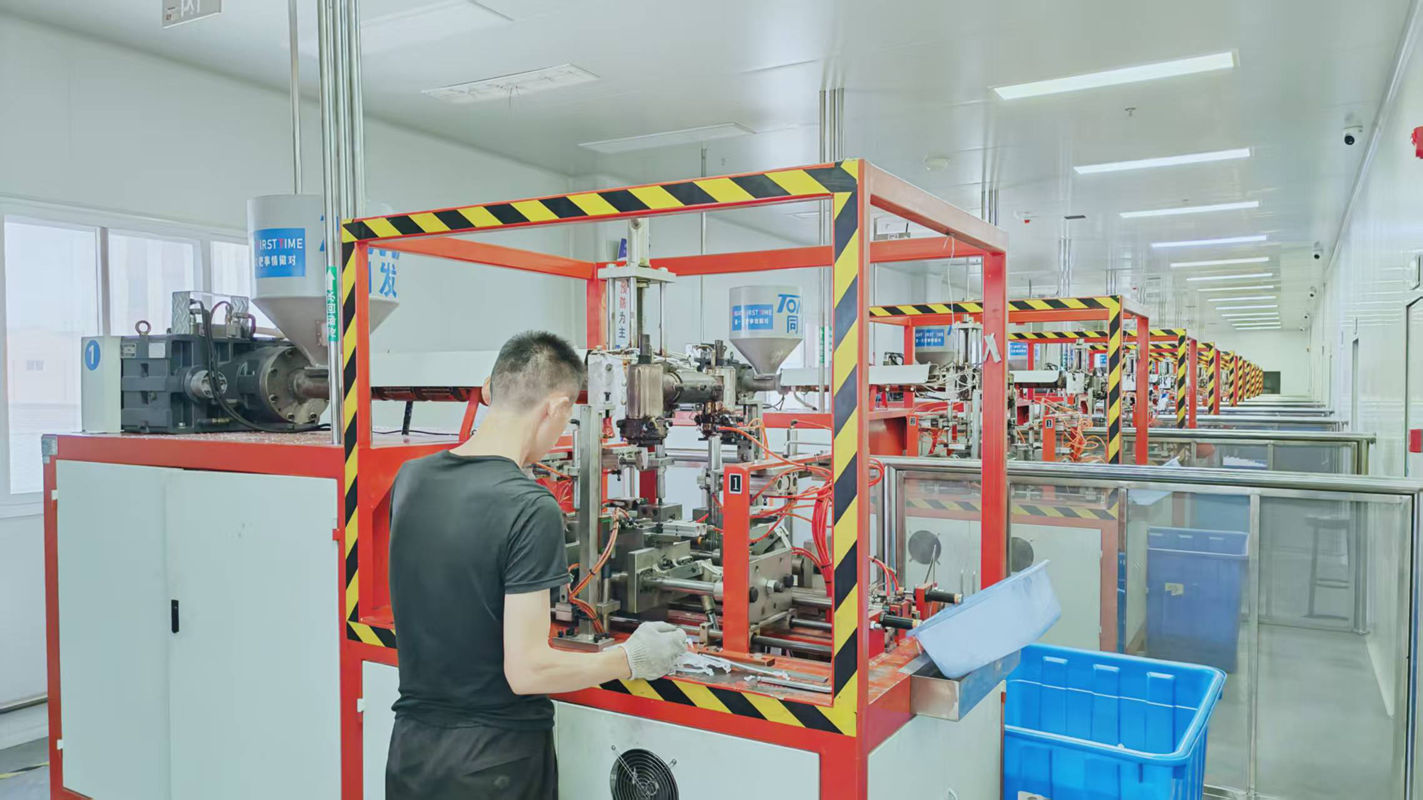
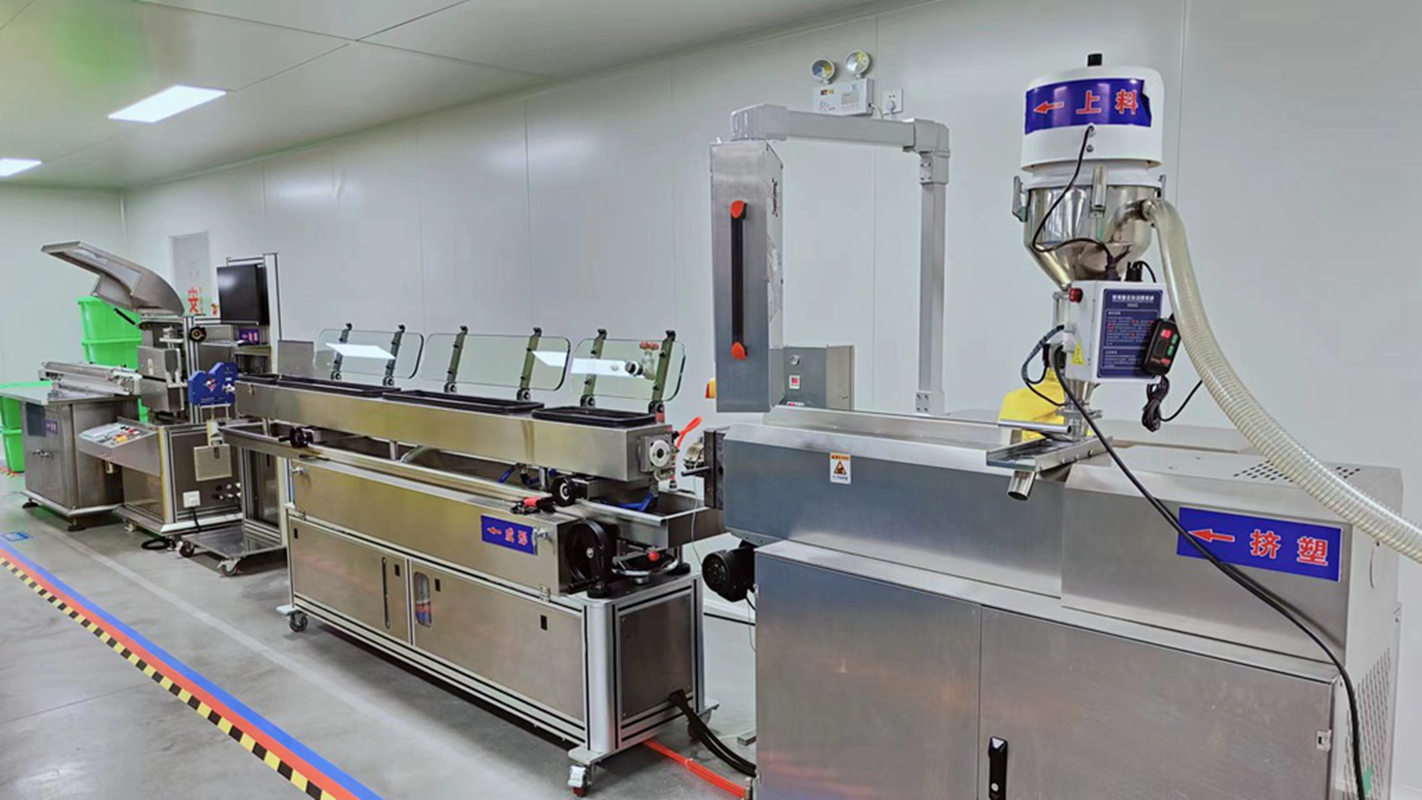
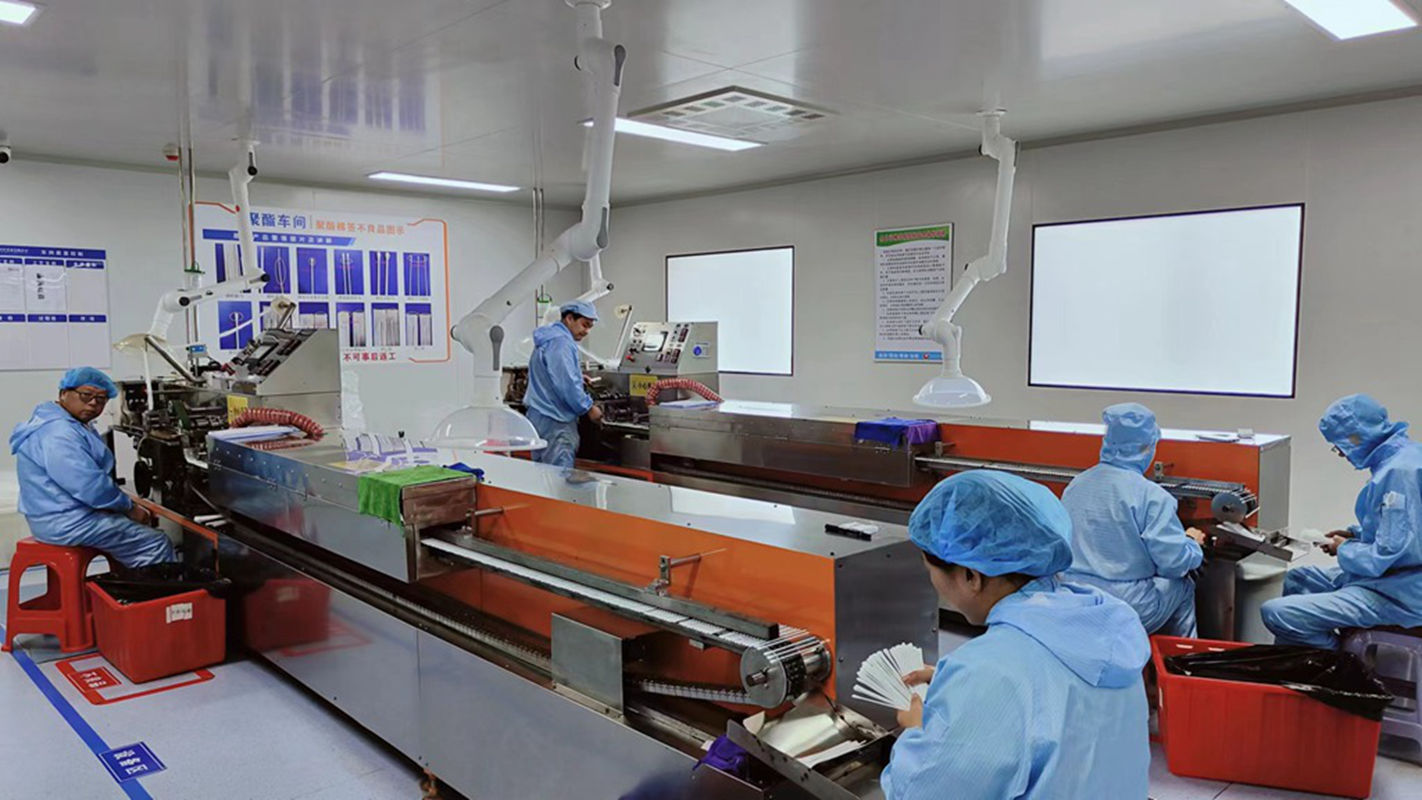
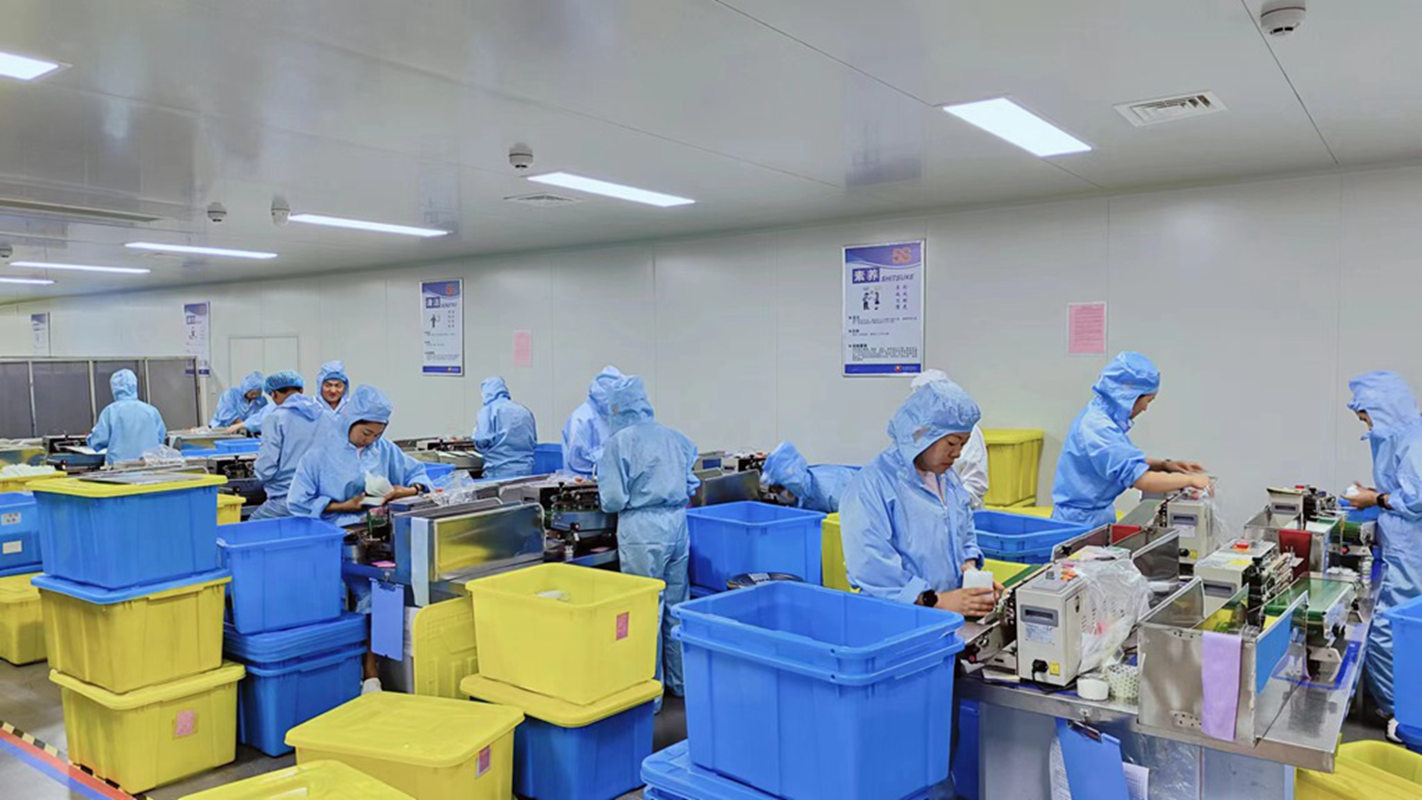
Below is an overview of Vetsys's specialized industrial engineering workflows, supporting both pharmaceutical dosing forms and high-precision plastic intramammary tube packaging:
Tailored pharmacological strategies for diverse geographical climates, livestock species, and housing environments.
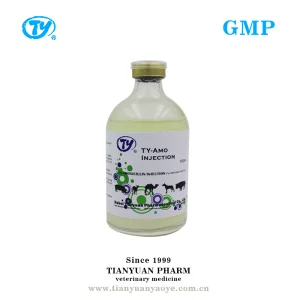
In high-density dairy operations, clinical mastitis requires rapid, tissue-penetrating bactericidal action. Protocol recommendations involve clean teat sanitation followed by immediate administration of Ampicillin and Cloxacillin Intramammary Infusion. For persistent systemic complications, adjunctive therapy with long-acting Amoxicillin 150 mg/ml LA injection ensures dual-channel mucosal and systemic clearance.
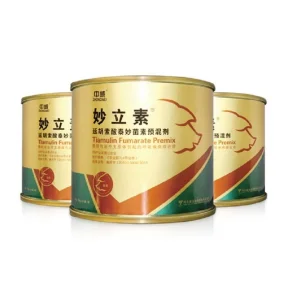
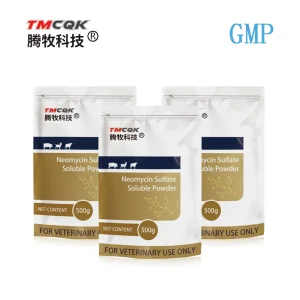
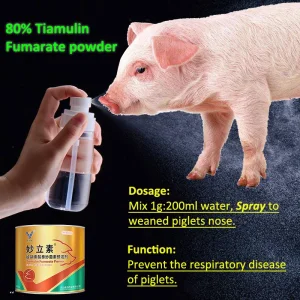
Mastitis-Metritis-Agalactia (MMA) syndrome in farrowing sows causes devastating piglet mortality due to sudden lactational failure. Administering 80% Tiamulin Hydrogen Fumarate premix via targeted feed formulation, combined with Neomycin Sulfate soluble powder for enteritis control, restores sow appetence, halts uterine contamination, and re-establishes normal milk flow.
Exporting lactation products across tropical, arid, and temperate zones demands specialized galenical engineering. Chinese chemical suppliers utilize advanced anti-caking matrix agents and moisture-impermeable barrier foil packaging to protect water-soluble powders (like 32.5% Neomycin Sulfate) and premixes (80% Tiamulin) from thermal degradation and humidity-induced degradation during transit and long-term farm storage.
Expert analytical answers regarding sourcing, regulatory documentation, therapeutic mechanics, and bulk order logistics.
Explore our extended wholesale range, including targeted intramammary therapeutics, drilling additives, and specialized feed premixes.