Vetsys Pharmaceutical Vetsys Pharmaceutical

Hydroxypropyl Methylcellulose Construction Grade Additive

Still deciding? Get samples of $ !
Request Sample

Product Description

Basic Information
Model NO.
HPMC001
Function
Thickening Agent
Grade
Industrial Grade
Particle Size
80mesh
Solubility
Soluble in Water
Viscosity
100,000 MPa.S
Product Name
Hydroxypropyl Methyl Cellulose
Appearance
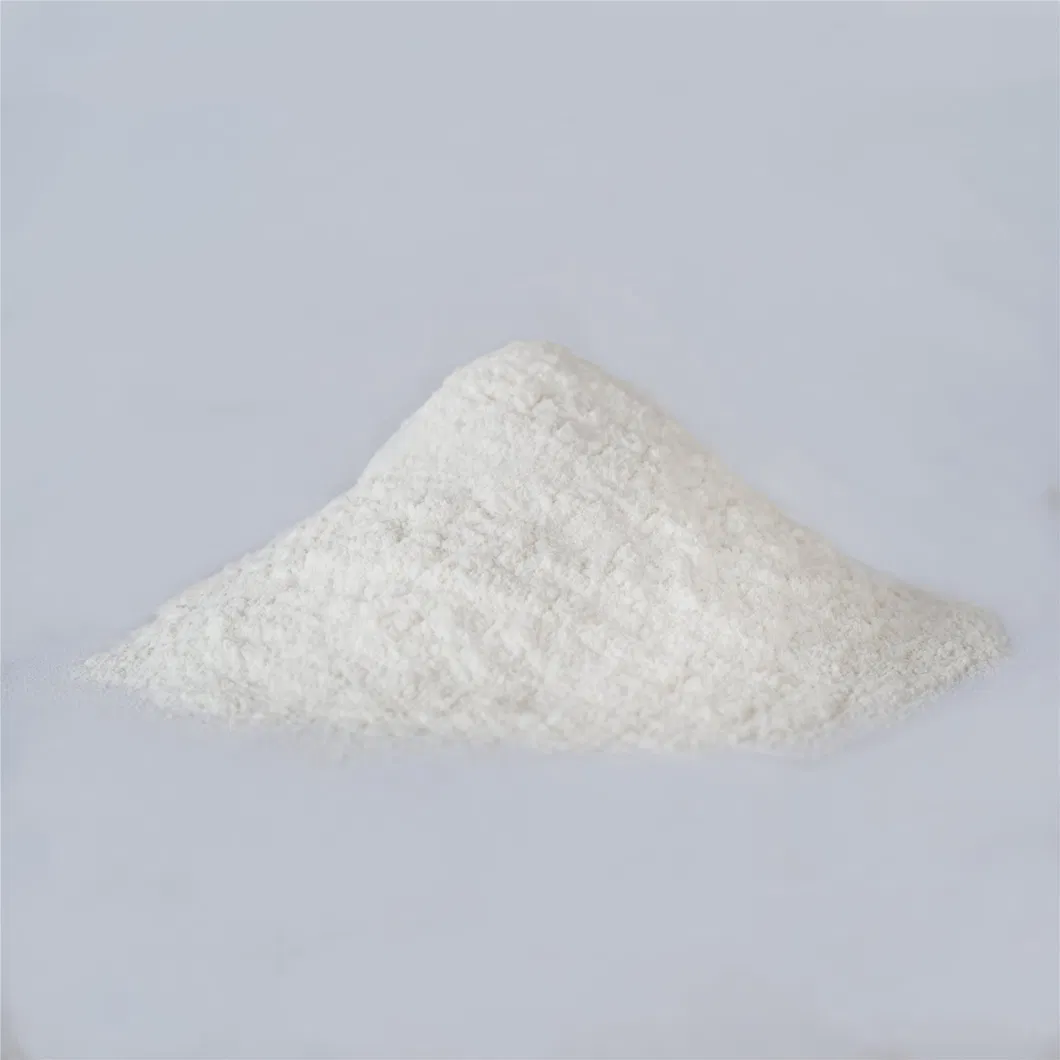
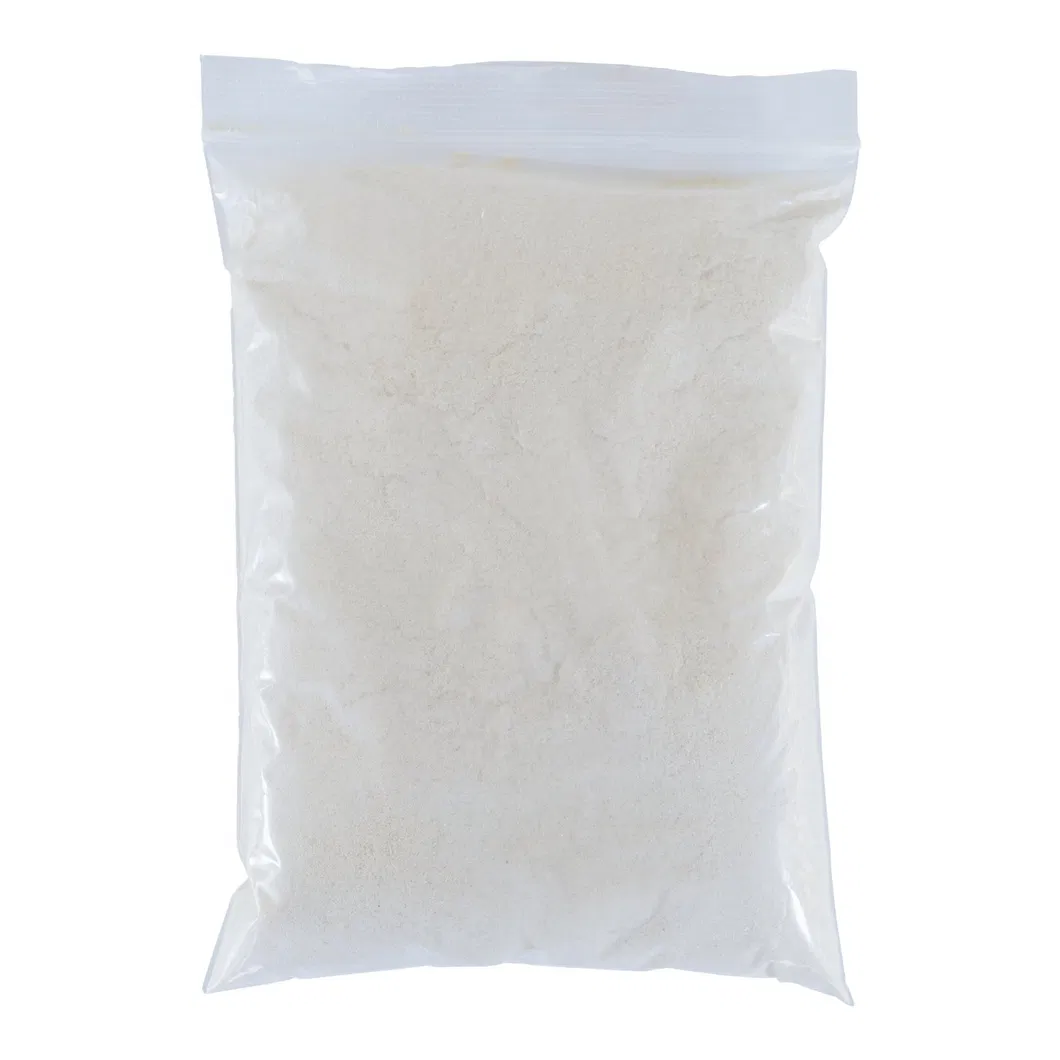
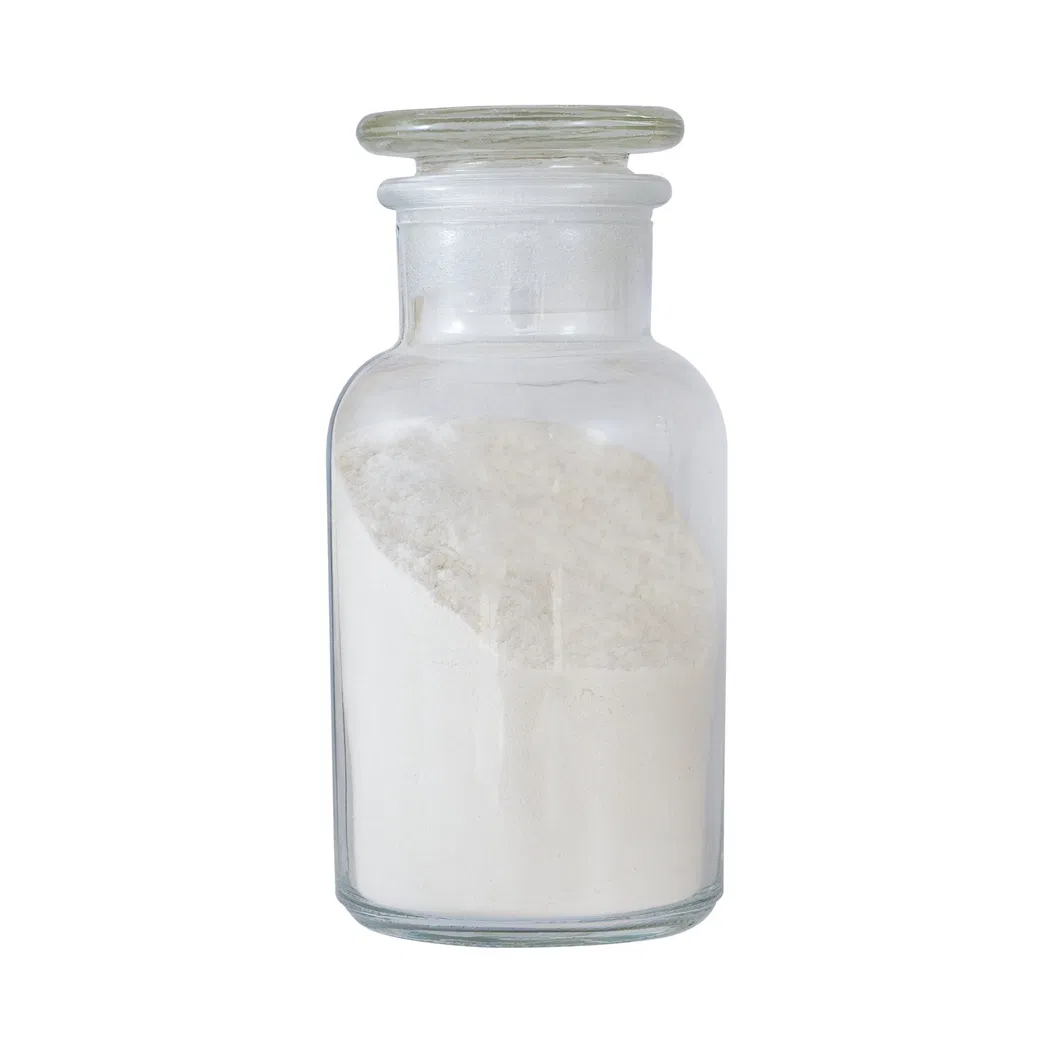
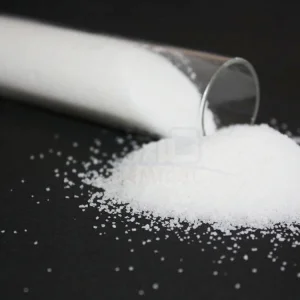
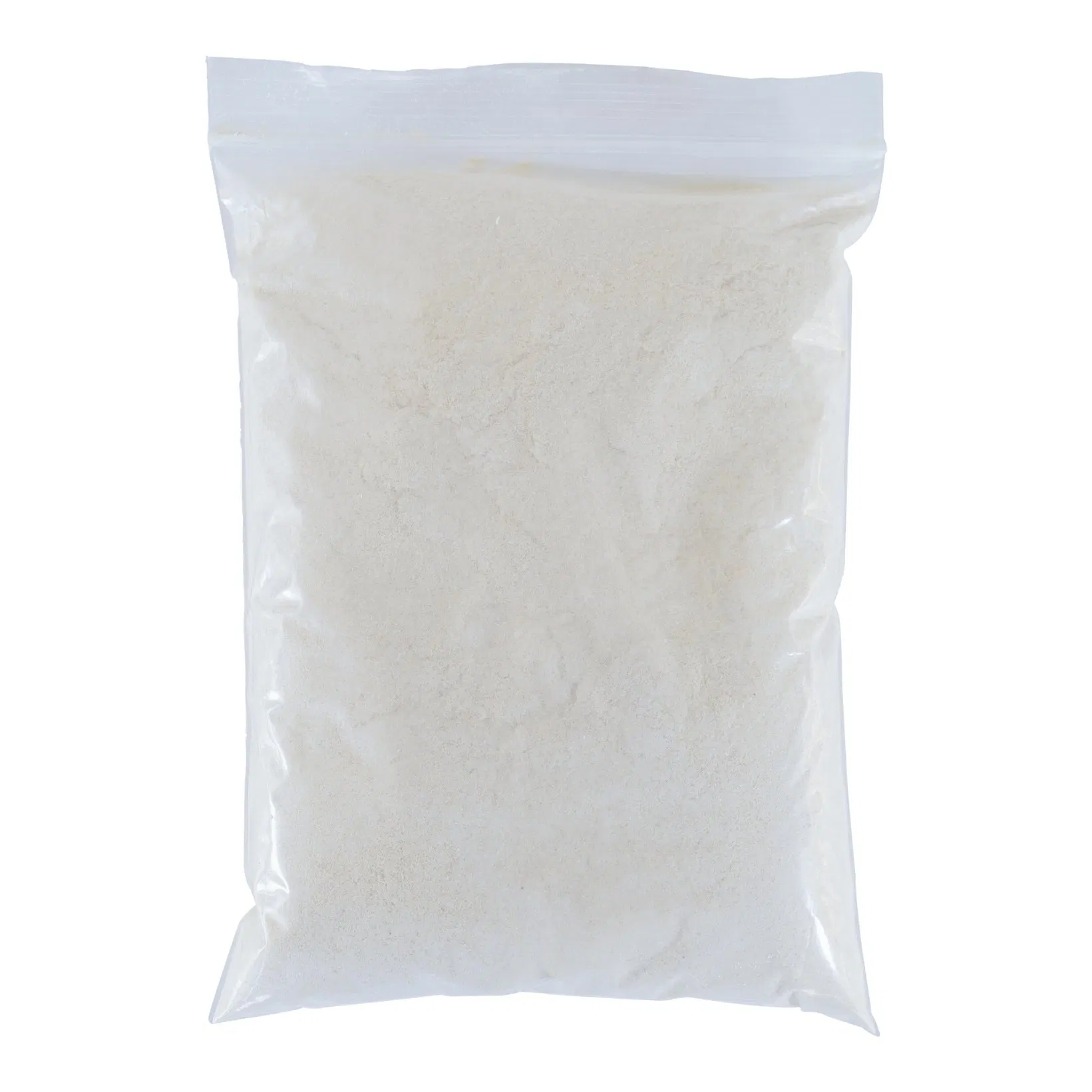
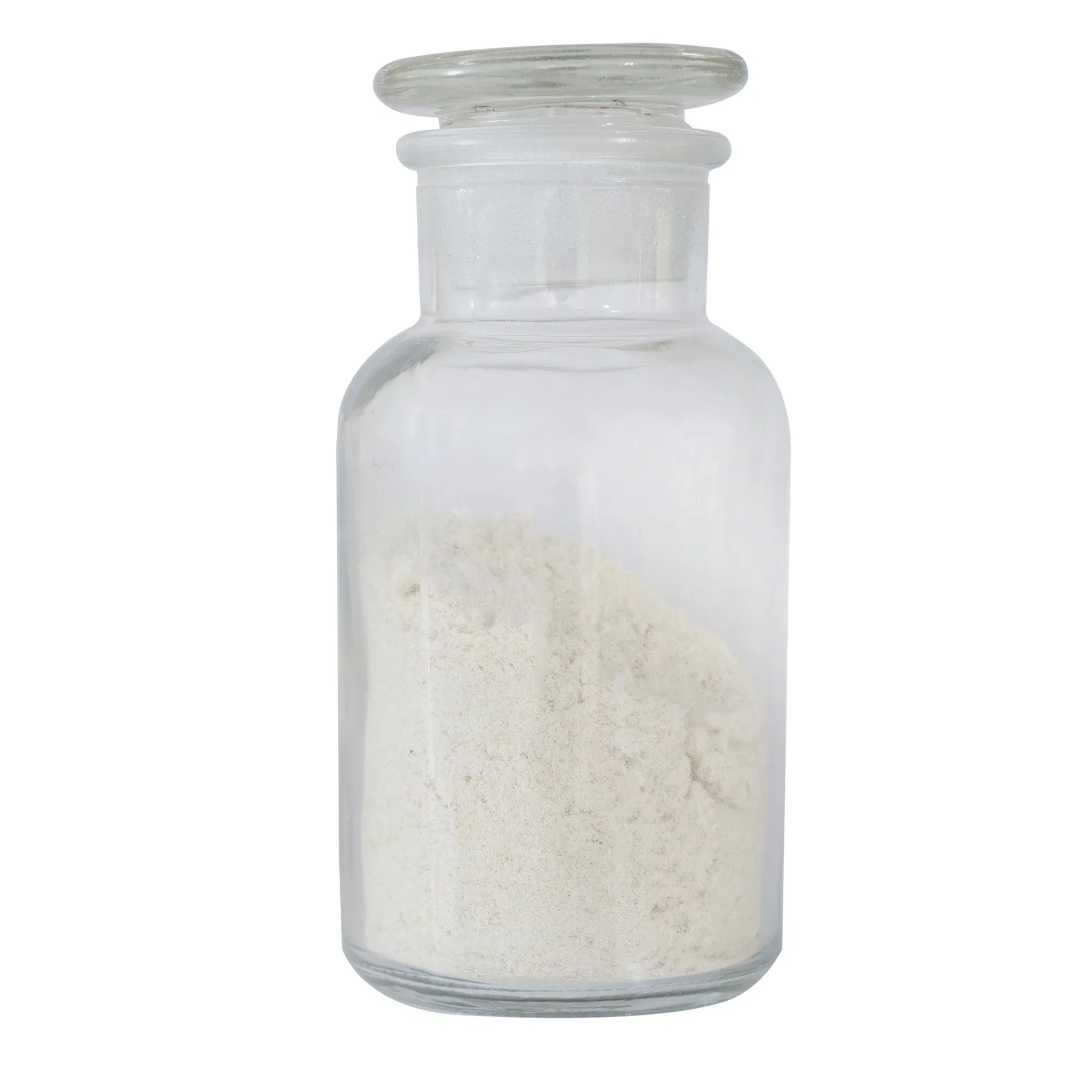
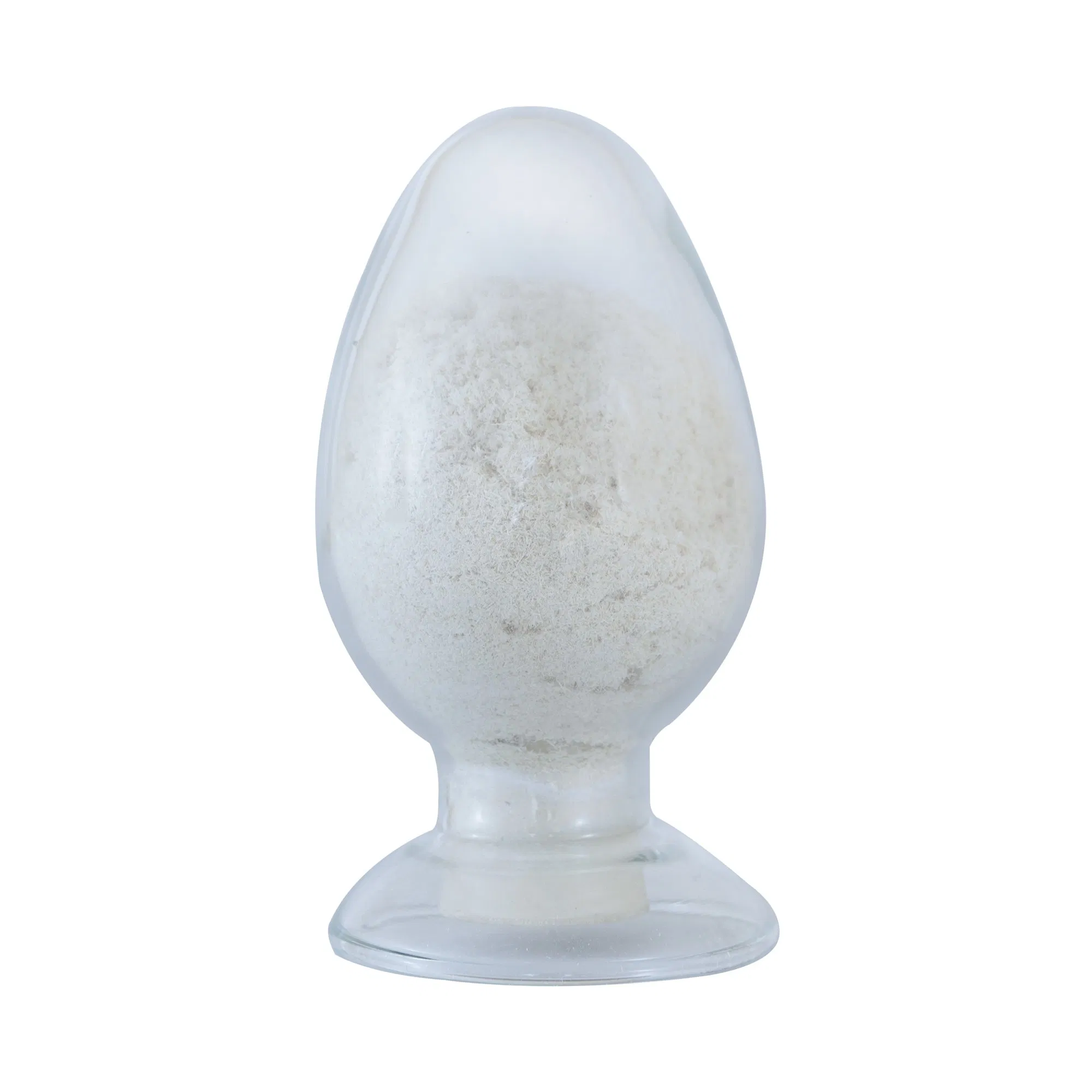
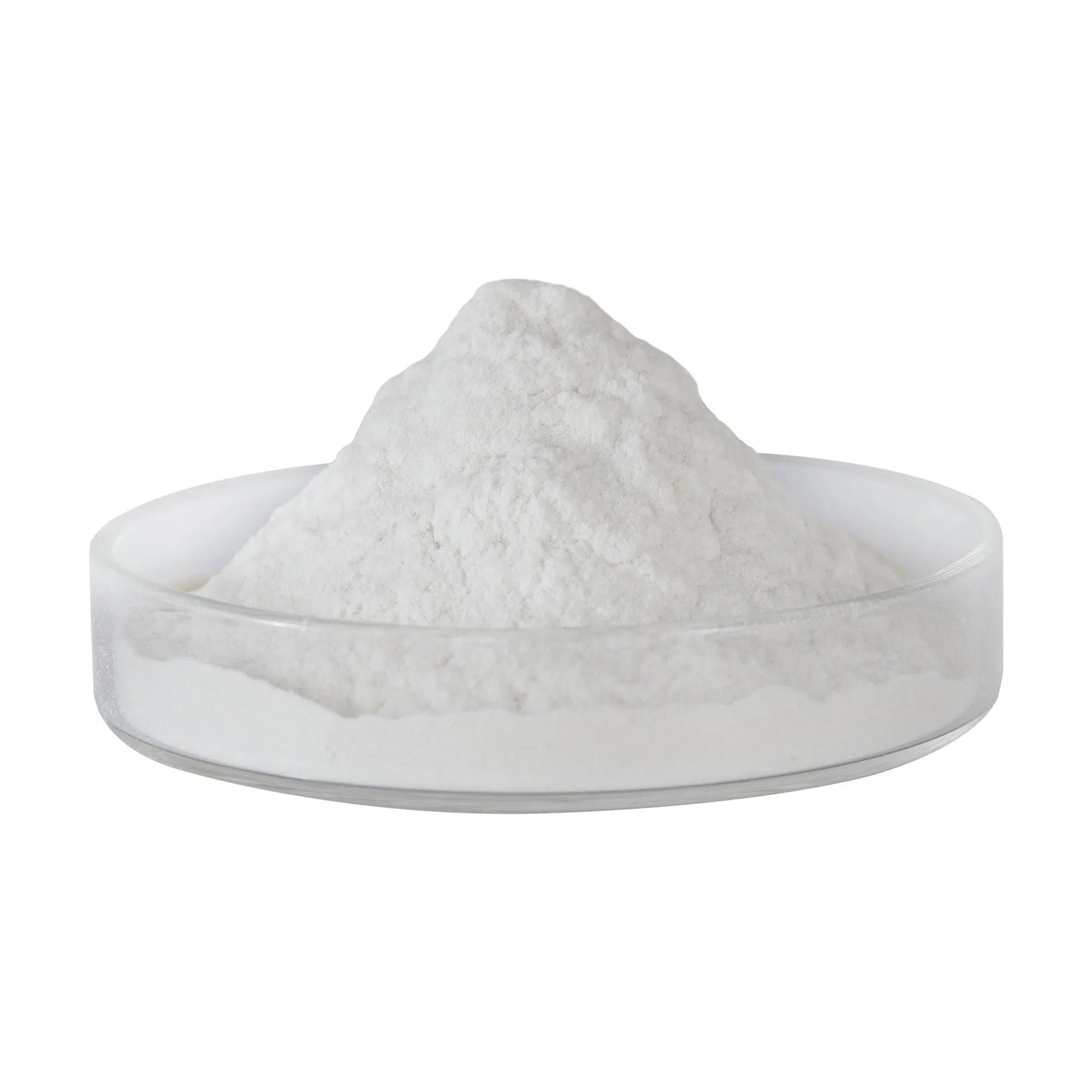
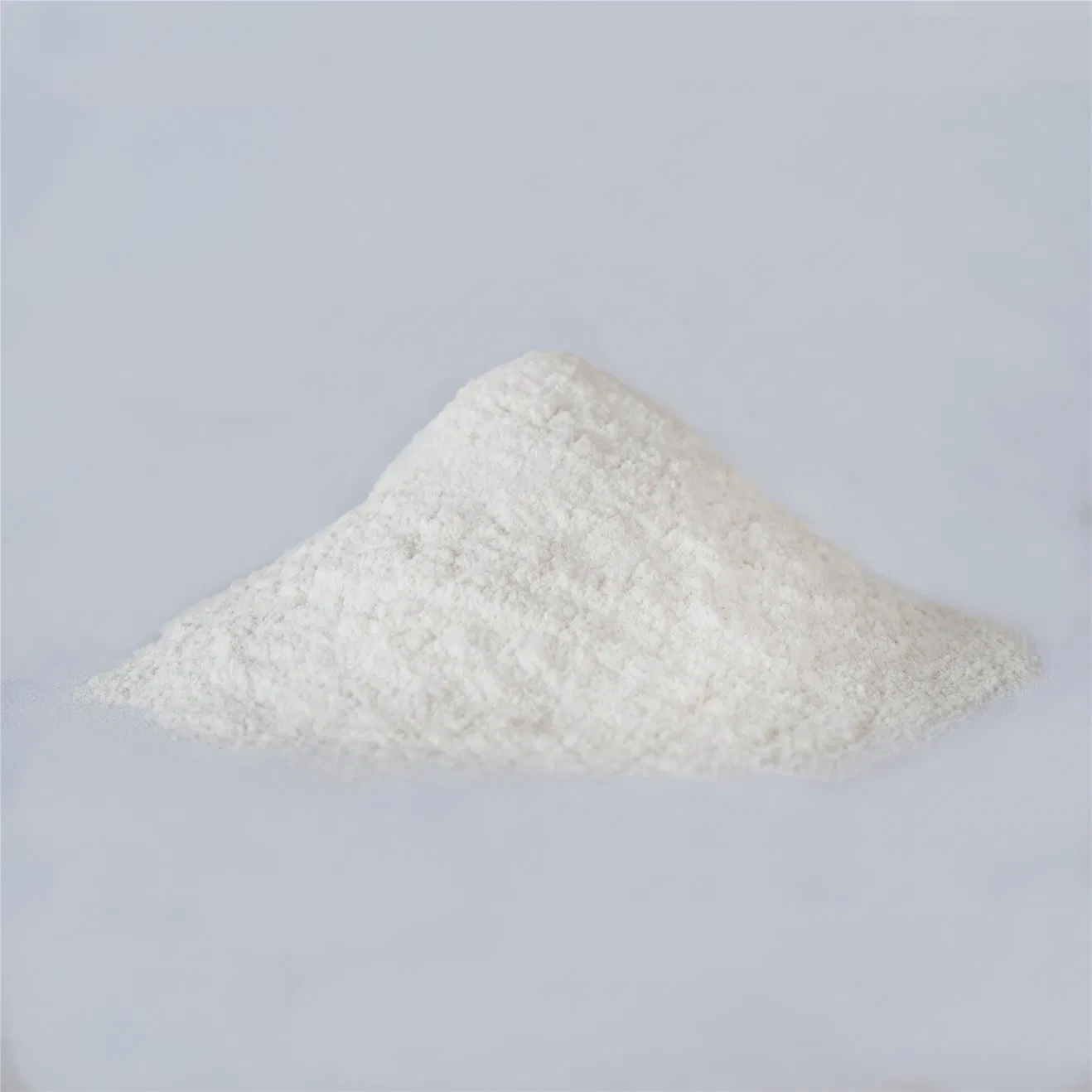
White or off-White Powder
Viscosity Range
300-200K MPa.S
Methoxy
19%-24%
Gel Temperature
58-64
HS Code
3912900000
Production Capacity
300000 Mt/Year
Origin
China
Product Description

Hydroxypropyl methyl cellulose (HPMC) is a non-ionic cellulose ether made from refined cotton, a natural macromolecular material, through a series of chemical processing. It is widely utilized across industries including building materials, coatings, synthetic resins, ceramics, textiles, agriculture, and cosmetics.

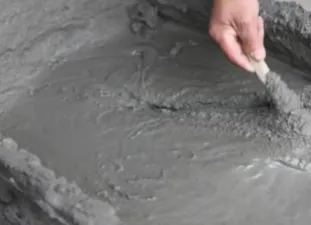
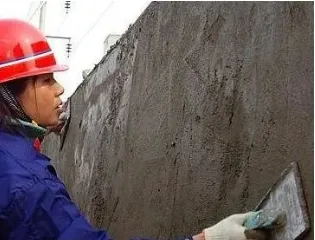
In the construction industry, it serves as a critical additive for water-resistant putty powder, putty paste, tempered putty, paint glue, and thermal insulation mortar. It offers excellent water retention, improves construction ease, and provides good brightness. Viscosity and gel time parameters can be customized based on specific requirements.

Product Parameters
ITEM A B C D
Methoxy 28-30% 27-30% 16.5-20% 19-24%
Hydroxypropoxy 7-12% 4-7.5% 23.0-32.0% 4-12%
Gel temperature 58-64ºC 62-68ºC - 70-90ºC
Moisture 5%
Ash content 2.5%
PH (1% solution) 5.0-8.5
Detailed Photos
HPMC Detail 1
HPMC Detail 2
HPMC Detail 3
Safety Handling

🛡️ Safety Information

While HPMC is generally recognized as safe, it is essential to handle it with care to maintain workplace safety:

  • Avoid inhalation of dust particles during mixing.
  • Wear protective clothing and eyewear when handling large quantities.
  • Maintain proper ventilation in storage and handling areas.
  • This product is a general chemical additive; follow standard safety protocols.
Application Fields
Application 1
Application 2
Application 3
Industry Use
  • Pharmaceuticals: Binder in tablets, thickener in oral solutions, and film-former for coatings.
  • Food Industry: Stabilizer, emulsifier, and thickener to improve texture and consistency.
  • Cosmetics: Thickening agent in creams/lotions and film-former in hair care products.
  • Construction: Water-retaining agent in cement, thickener in tile adhesives and grouts.
Our Product Advantages
Dissolution in Solvents

Contains hydrophobic methoxy, allowing dissolution in organic solvents or water-organic mixtures.

Salt Resistance

As a non-ionic polymer, it remains stable in aqueous solutions of metal salts or organic electrolytes.

Surface Activity

Provides emulsifying effects and protects colloids, ensuring relative stability in various formulations.

Low Ash Content

Effectively refined through hot water washing during preparation, resulting in extremely low ash levels.

Water Retention

High hydrophilicity maintains moisture in mortar, gypsum, and paint, preventing premature drying.
Packaging and Storage
Packaging

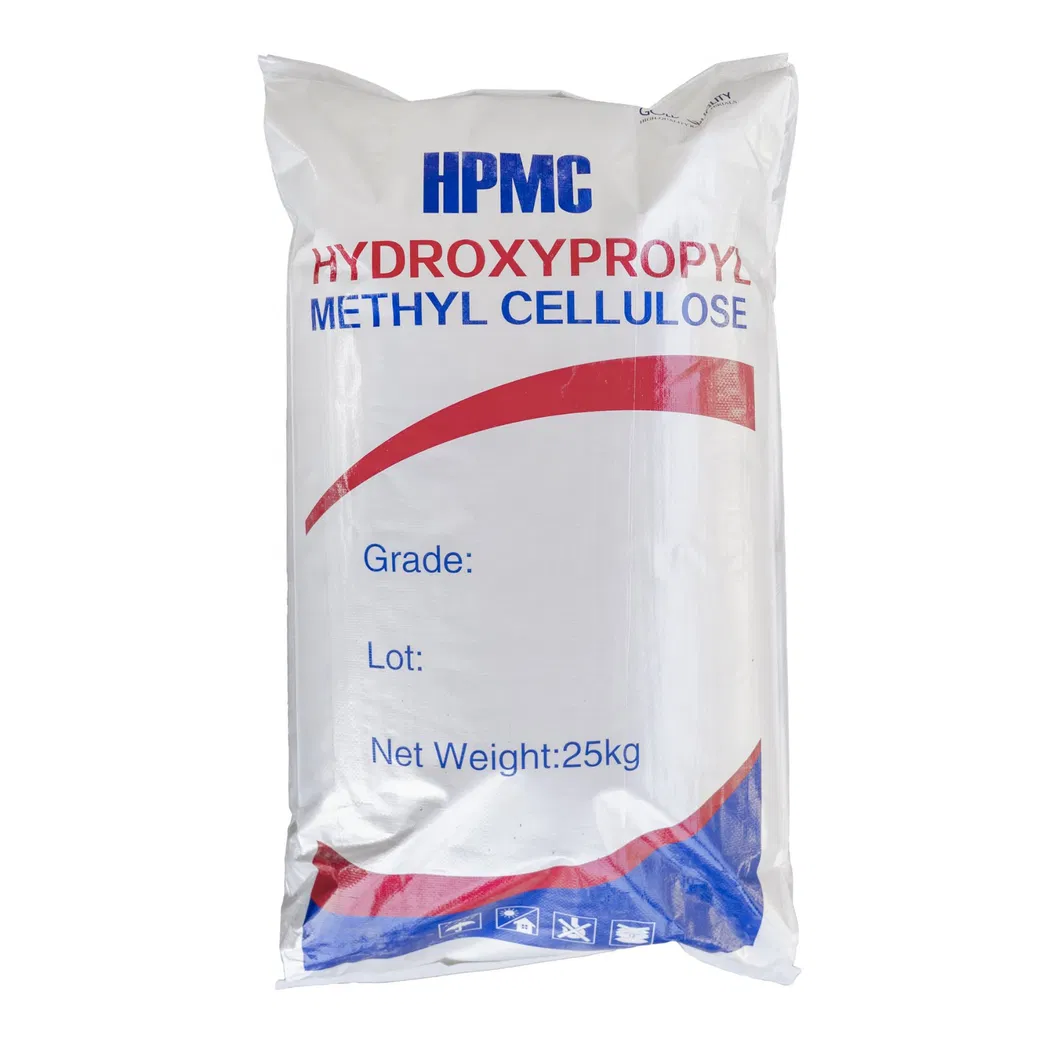
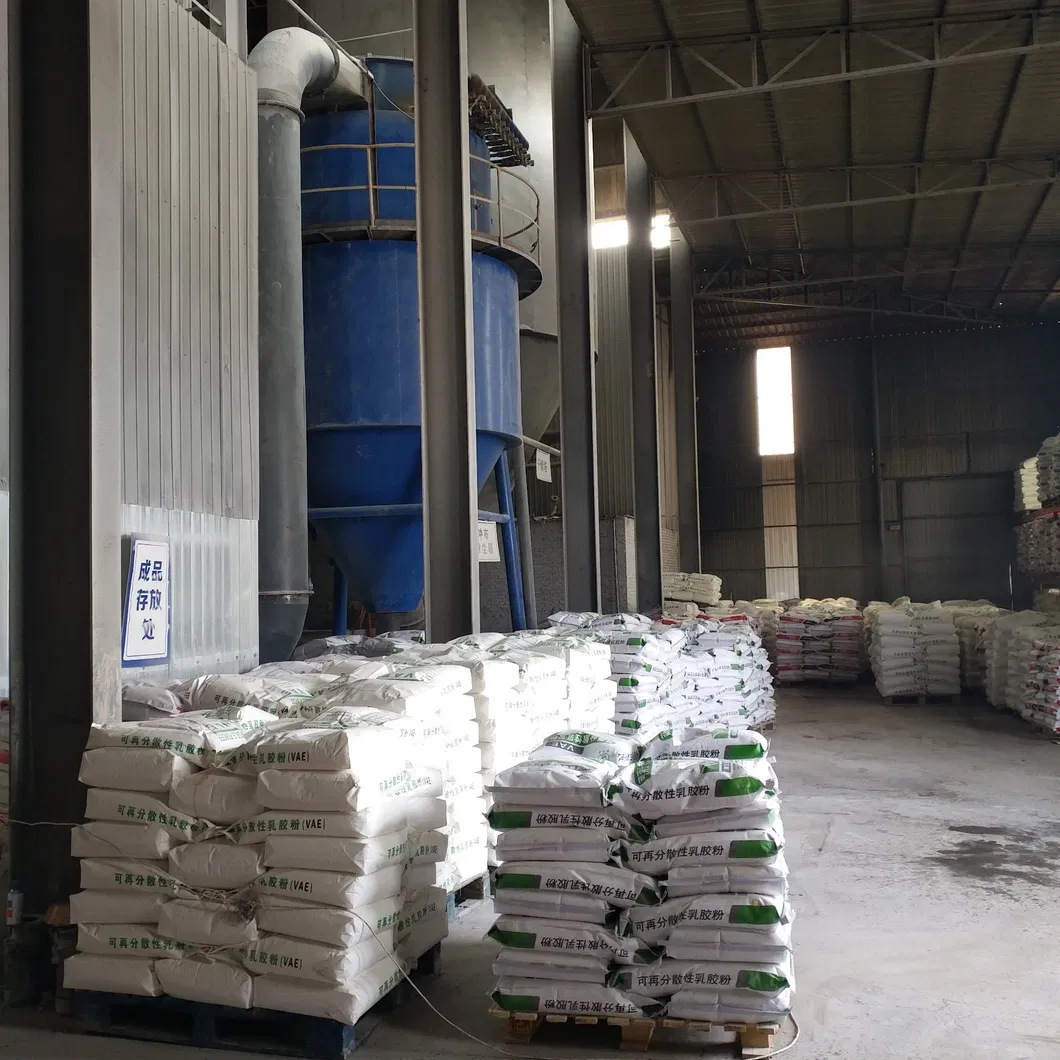
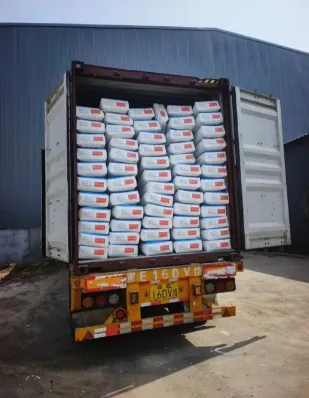
📦 Packaging: External plastic-paper bag with an internal PVC plastic bag. Net weight options: 20KG or 25KG per bag.

🏠 Storage: Keep in a rain-proof, sun-proof, and fire-proof environment. Ensure the area is airtight, ventilated, and damp-proof.

🚚 Transportation: Handled as moisture-proof ordinary chemicals during transit.

Storage 1
Storage 2
Frequently Asked Questions
What is HPMC?
HPMC stands for Hydroxypropyl Methyl Cellulose, a non-ionic cellulose ether widely used as a thickener and stabilizer in construction, pharma, and food industries.
What are the main applications of HPMC in construction?
It is primarily used as a water-retaining agent and thickener in cement mortars, tile adhesives, wall putties, and plasters to improve workability.
How is HPMC classified based on viscosity?
HPMC ranges from low viscosity (used for self-leveling mortars) to high viscosity (used for high-strength tile adhesives and crack-resistant mortars).
What is the difference between quick-dissolving and thermal-dissolving HPMC?
Quick-dissolving types disperse rapidly in cold water, while thermal-dissolving types require hot water for proper dispersion.
Is HPMC stable under different pH conditions?
Yes, HPMC is highly versatile and maintains stability within a wide pH range, typically between 5.0 and 8.0.
What are the recommended storage conditions?
It should be stored in a cool, dry, and ventilated place, protected from direct sunlight, moisture, and fire.

Related Products