 Vetsys Pharmaceutical
Vetsys Pharmaceutical
Vetsys Pharmaceutical
High-purity therapeutic and nutritional delivery carriers engineered to meet the dynamic demands of Rwandan animal feed mills and farm operations.
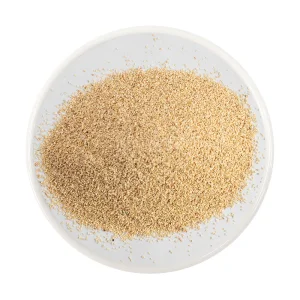
Essential nutritional additive on high-absorption corn cob carriers, maximizing bio-availability in local Rwandan poultry feeds.
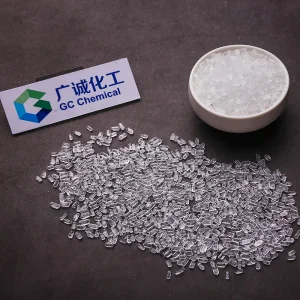
Premium water-soluble magnesium supply designed to prevent grass tetany and optimize mineral balance in dairy cattle herds.
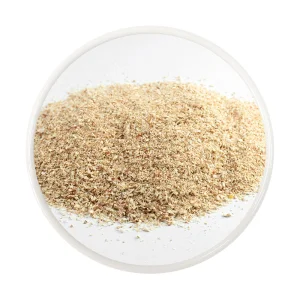
All-natural biodegrading absorption medium, widely utilized as an eco-friendly carrier for premixes and pathogen control bedding.
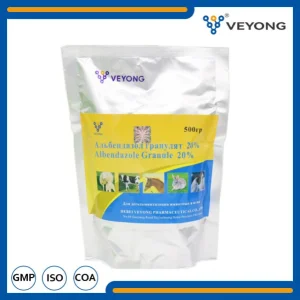
High-efficacy, GMP-certified anthemic deworming granules tailored for flock-wide and herd-wide parasitic management campaigns.
Global Industrial Footprint
Certified Sterile Class Facility
Annual Domestic & Export Sales
Rwanda FDA Registration Compliant
Rwanda’s agricultural landscape is undergoing a fast-paced transformation. Backed by the government's Vision 2050 and the strategic frameworks of the Strategic Plan for Agriculture Transformation (PSTA IV), the nation is rapidly transitioning from traditional smallholder subsistence farming to commercially viable, intensive animal husbandry. The poultry, swine, and dairy sectors in key provinces such as Gishwati, Bugesera, and the Eastern Province have seen exponential growth, shifting livestock nutrition requirements from baseline caloric fulfillment to precise therapeutic and performance-optimizing feeding programs.
This structural change highlights a critical bottleneck in the regional supply chain: the availability of stable, bioavailable, and pathogen-free feed additives and medicated granules. Medicated feed granules play a vital role in addressing this challenge. Unlike traditional fine powders, granulated medicines and nutritional formulations resist demixing during transit across East Africa’s challenging logistics corridors. This ensures precise dosage delivery, mitigating the risk of sub-therapeutic administration which is a primary driver of antimicrobial resistance (AMR).
Internationally, the veterinary pharmaceutical industry is moving away from powdered additive delivery systems. Dust-free, micro-granulated compounds are now the benchmark. The mechanical benefits of granulated additives include:
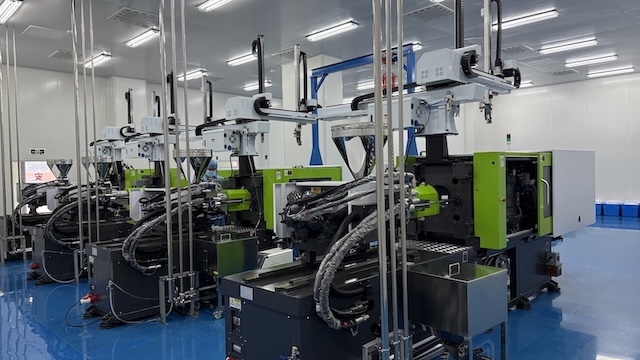
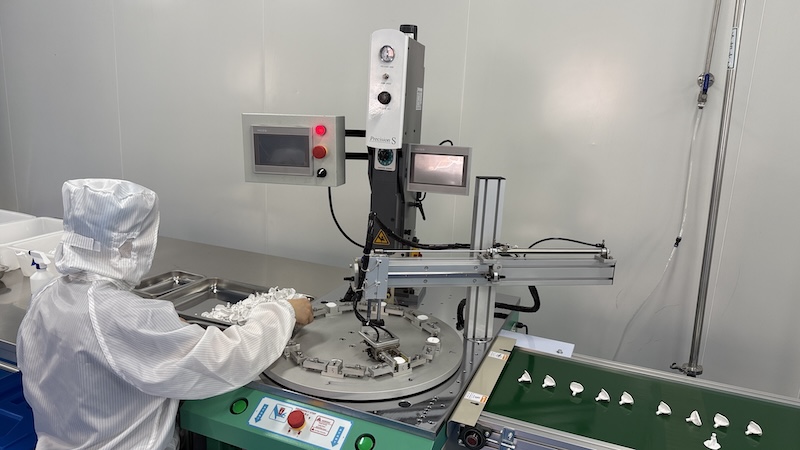
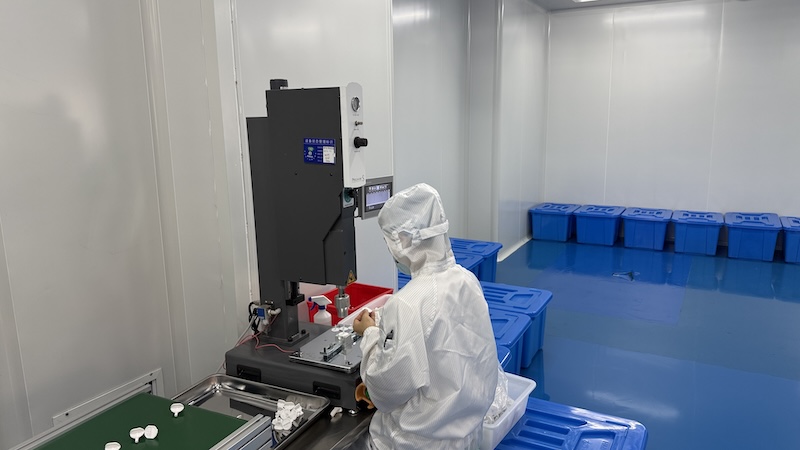
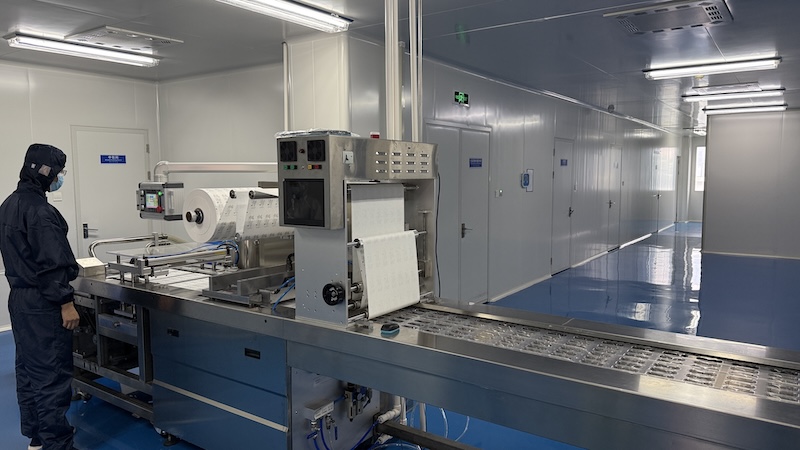
As a leading GMP-compliant manufacturer, Zhengzhou Vetsys Pharmaceutical Co., Ltd. utilizes an integrated manufacturing approach. Our production facilities include dedicated processing lines for veterinary medicine synthesis, plastic blow molding, injection molding for airtight product packaging, and cleanroom packaging operations. This vertical integration ensures complete control over product quality and safety.
From chemical synthesis to precise packaging: A look inside our GMP-certified manufacturing processes.
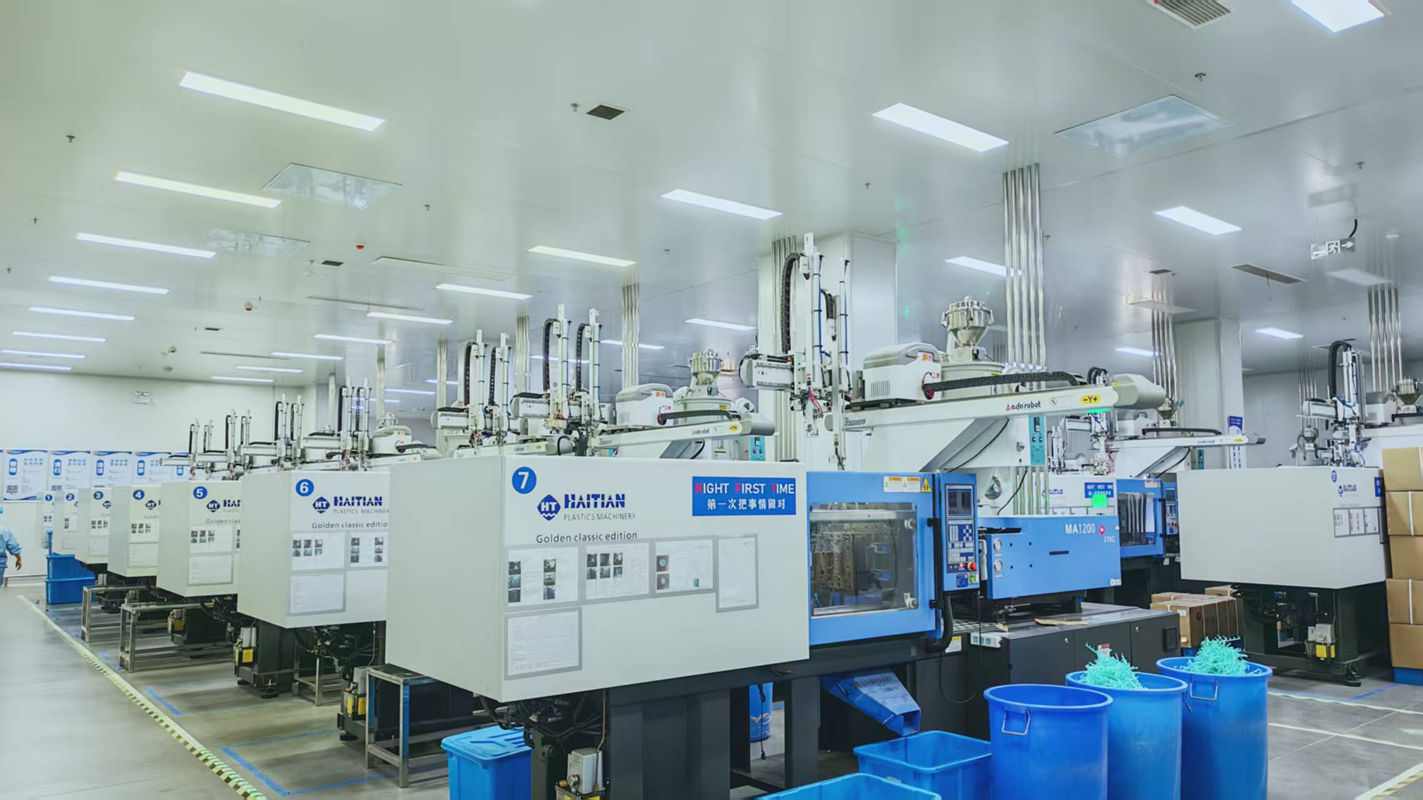
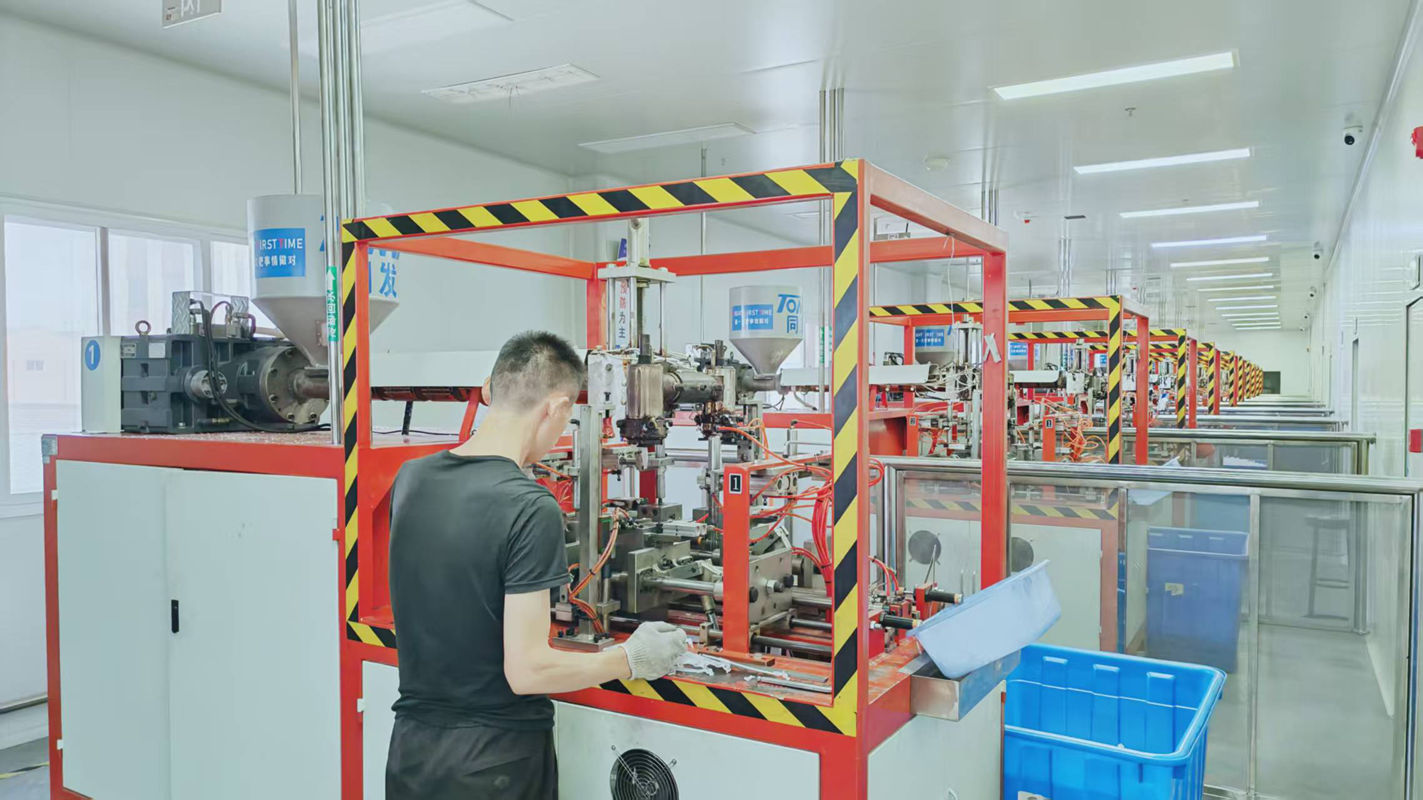
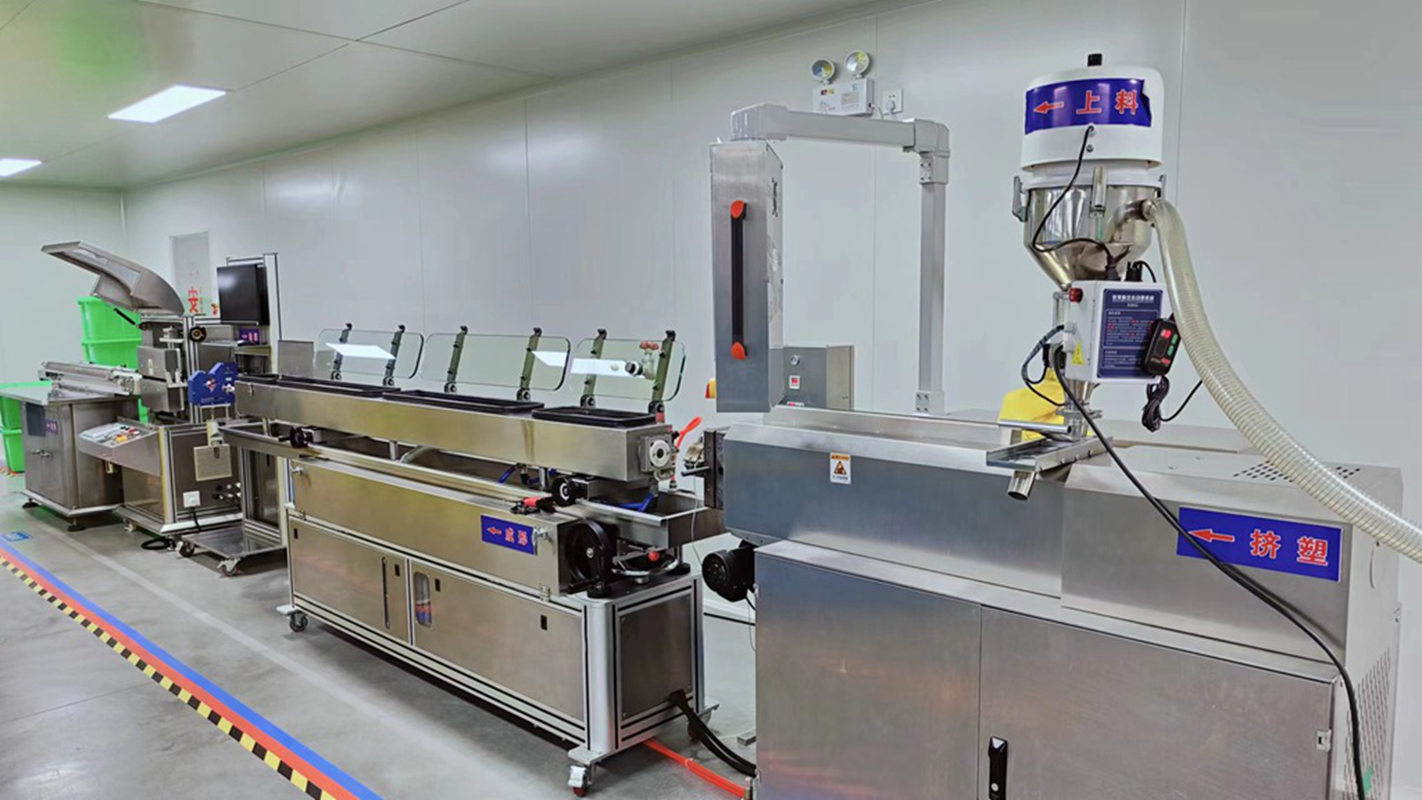
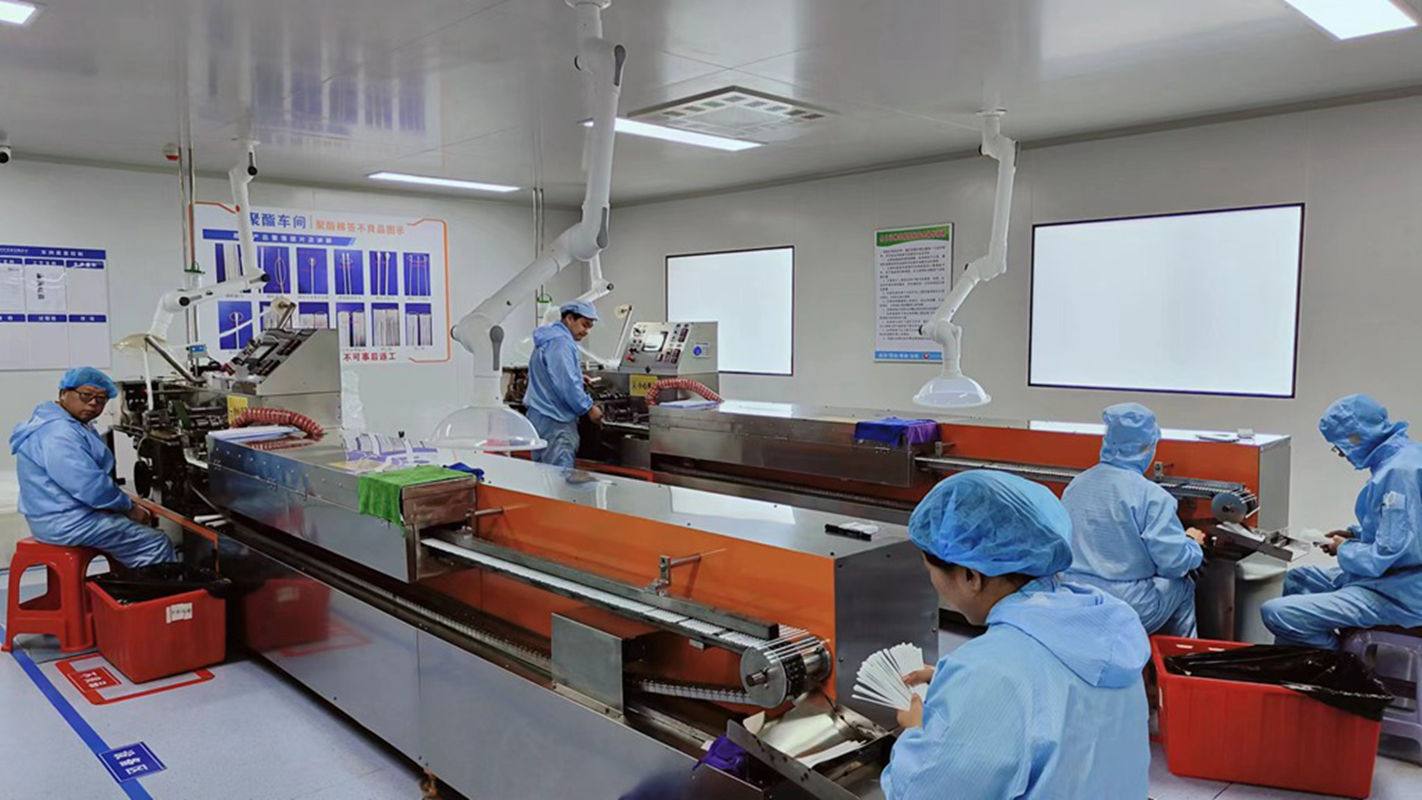
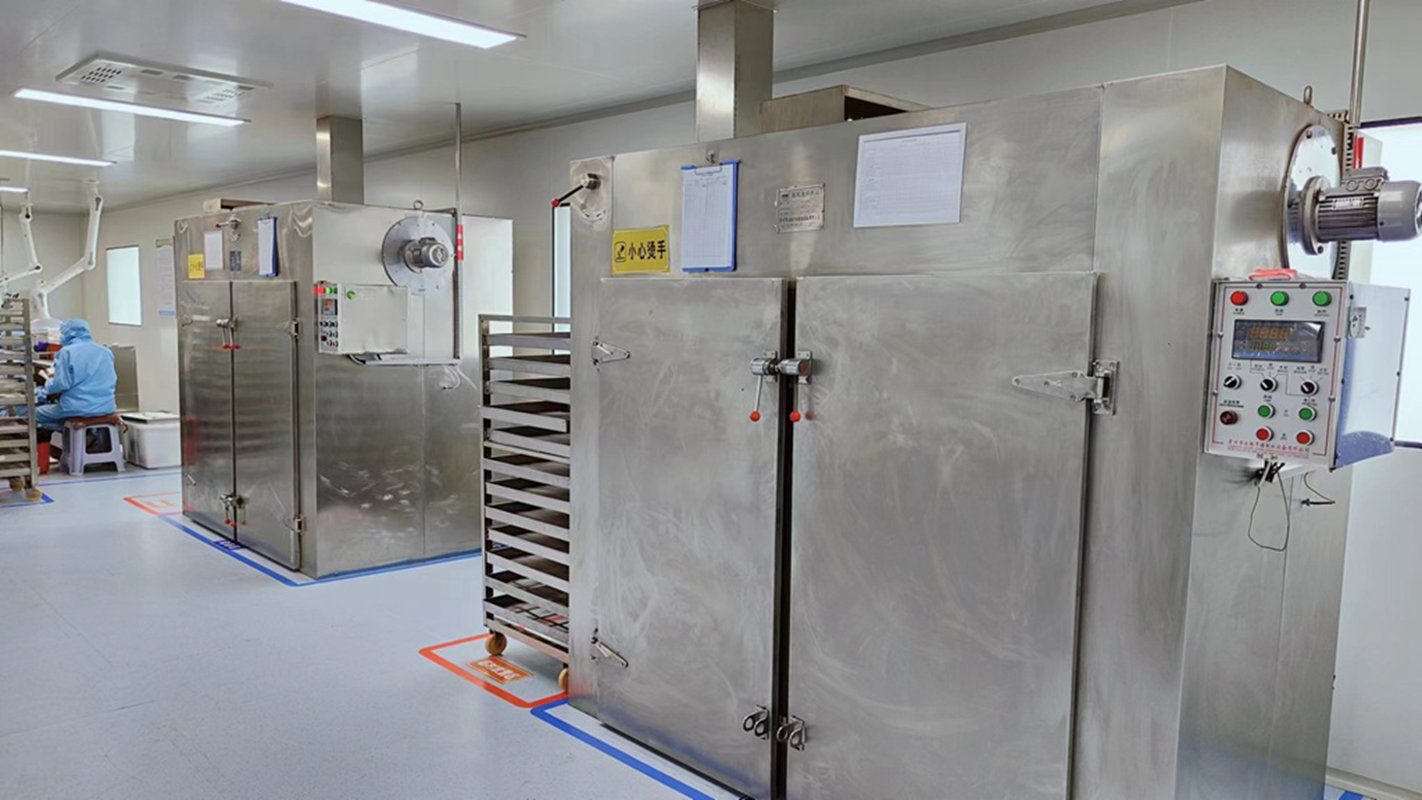
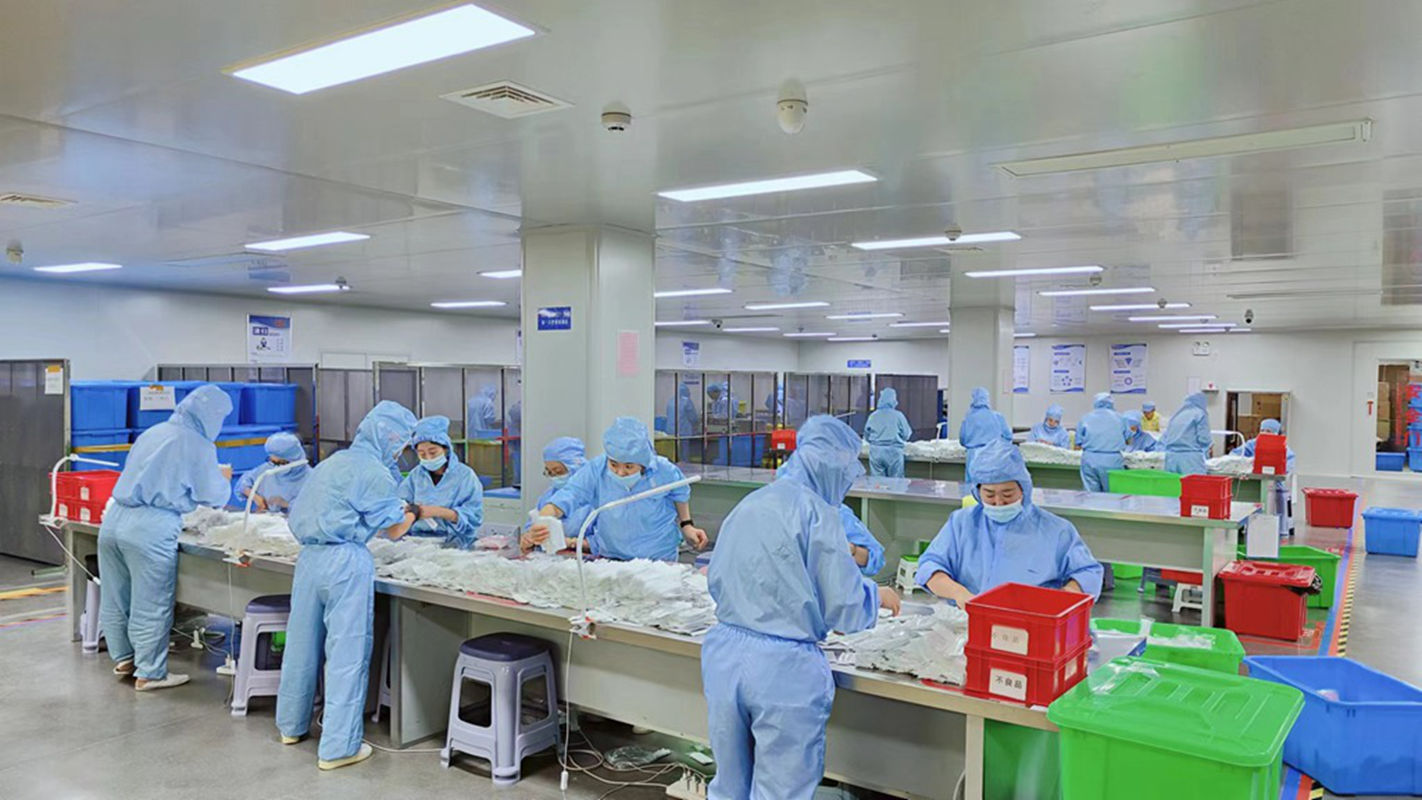
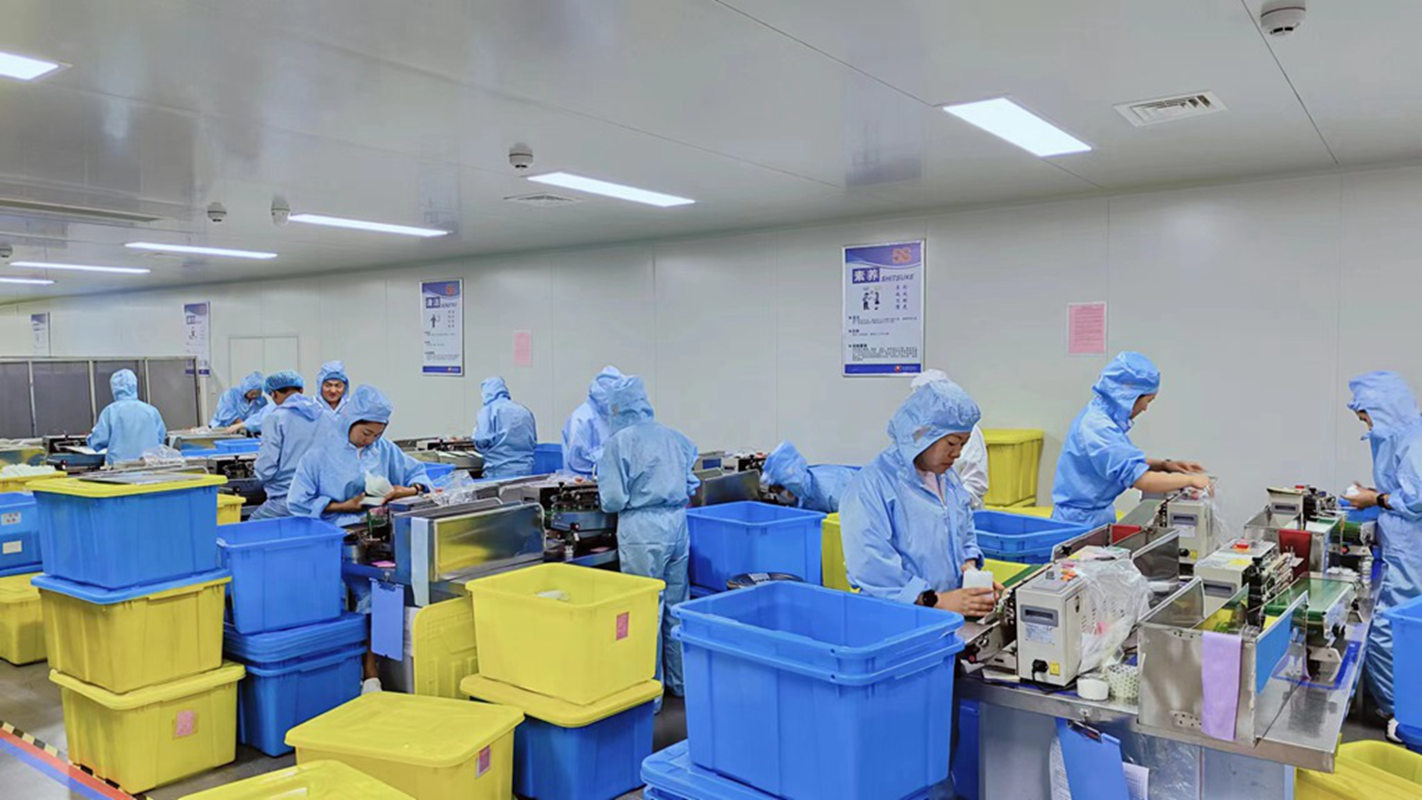
Optimizing livestock performance and profitability through targeted, climate-resilient feed additives.
Using Sodium Bicarbonate and Magnesium Sulphate granules helps prevent subacute ruminal acidosis (SARA) in high-yielding dairy herds in Rwanda's Eastern Province, improving butterfat yield and milk quality.
Utilizing targeted coated enzymes, such as Coated Lipase and Acid-Resistant Xylanase, optimizes feed conversion ratios (FCR) in commercial broiler and layer facilities around Kigali, lowering production costs.
Broad-spectrum anthelmintics, like our Premixed Albendazole Granules, provide sheep, goat, and cattle herds with reliable protection against gastrointestinal nematodes and lungworms.
Importing veterinary pharmaceuticals and feed additives into Rwanda requires compliance with strict safety and quality standards. The Rwanda Food and Drugs Authority (Rwanda FDA) enforces rigorous guidelines for the registration, storage, and distribution of veterinary products to ensure national biosafety.
As a global GMP exporter, we provide comprehensive documentation support for Rwandan distributors and feed millers. This includes:
Over the next decade, animal farming in East Africa will shift toward precision nutrition. Vetsys is investing in advanced micro-encapsulation technologies to enable the targeted release of nutrients in the digestive tract, improving absorption. Additionally, we are developing eco-friendly, biodegradable carrier materials, helping regional feed producers reduce their environmental footprint and align with global sustainability goals.
Select premium feed ingredients and processing equipment optimized for production plants in Rwanda.
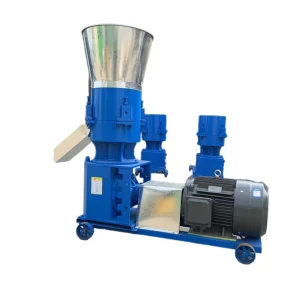
Robust feed pelleting equipment engineered for processing diverse soybean and corn feed formulations.
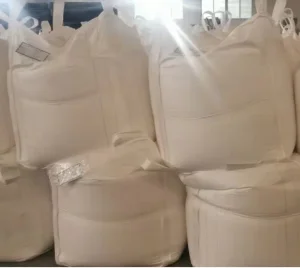
High-grade systemic acid buffer in bulk packaging, designed for animal feed mills requiring volume blending.
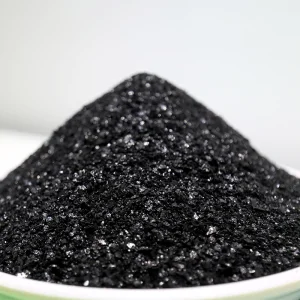
Organic leonardite extract that supports intestinal health and helps bind toxins in animal digestive tracts.
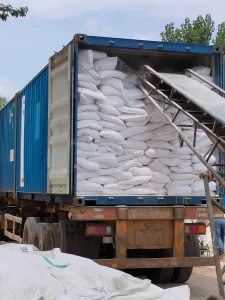
Encapsulated fat-digesting enzyme designed to survive pelleting heat and improve lipid absorption.
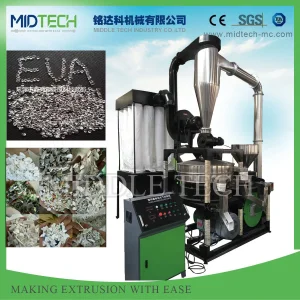
High-density and low-density polymer raw materials, ideal for manufacturing chemical-resistant containers.
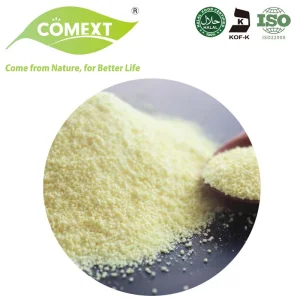
A stable antioxidant compound that helps mitigate heat stress and cellular oxidation in livestock.
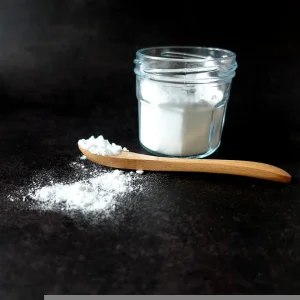
Coarse sodium bicarbonate particles offering controlled dissolution rates for specialized formulations.
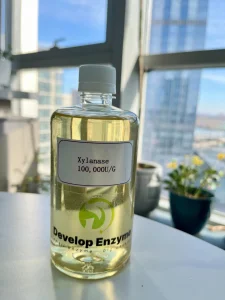
Highly active NSP enzyme that breaks down feed fiber, releasing locked nutrients in grains.
Answers to key regulatory, chemical, and logistics questions for importers and partners in Rwanda.
Yes. All our medicated feed granules and additives are manufactured in GMP-certified facilities. We provide complete document packages—including Certificates of Analysis (COA), free sale certificates, and stability test reports—to support registration and customs clearance in Rwanda.
Granulated additives offer better flowability and prevent demixing during transport, ensuring uniform distribution of active ingredients. They also generate less dust, which improves workplace safety and reduces cross-contamination risks in feed mills.
We use a specialized micro-encapsulation technique. This protective outer coating acts as a thermal barrier, safeguarding the active enzymes during steam conditioning and pelleting, and only dissolves once it reaches the animal's digestive tract.
Our products typically have a shelf life of 24 months from the production date. We recommend storing them in their original airtight packaging in a cool, dry, well-ventilated warehouse, kept away from direct sunlight.