Vetsys Pharmaceutical
Vetsys Pharmaceutical
Vetsys Pharmaceutical
Engineered to meet stringent regulatory safety indicators, high bioavailability metrics, and clean production constraints.
Macro-analysis of pharmaceutical, nutritional, and therapeutic powder processing within competitive international markets.
The global animal health industry has experienced a paradigm shift, transitioning from simple symptomatic treatments to integrative, prophylactic wellness strategies. CE Certified Tonic Powders, which span compound nutritional supplements, concentrated botanical extracts, and veterinary mineral formulations, stand at the center of this transformation. As livestock farming intensifies worldwide, farmers face the double challenge of driving feed conversion ratios (FCR) down while strictly adhering to regulatory bans on antibiotic growth promoters (AGPs).
Consequently, the demand for highly stable, standardized, and GMP-compliant soluble powders has escalated. CE certification serves as a baseline quality threshold within European territories and acts as a global emblem of structural reliability, clean formulation, and strict metal-limit checks. Leading manufacturers are investing heavily in advanced particulate technology to ensure that powders maintain homogeneity when mixed in large feed batches or automated water line delivery systems. Without proper micro-encapsulation or moisture-resistant packaging, high-potency molecules quickly degrade under humid farm conditions.
Compliance with Regulation (EU) 2019/6 mandates clear tracking of Active Pharmaceutical Ingredients (APIs) and strict restriction of ecological footprints during dry powder formulation phases.
Modern intensive farming requires instant solubility. R&D is focused on physical agglomeration processes that prevent clumping inside silos and automatic wet-dry feeders.
Ensuring that ultra-low concentration additions (such as micro-nutrients, enzymes, and therapeutic markers) are distributed evenly across batches down to 1 part per million (ppm).
Underpinning B2B supply chains with 18+ years of validated GMP manufacturing experience.
Established in 2005, Zhengzhou Vetsys Pharmaceutical Co., Ltd. (Vetsys) is a leading manufacturer in the animal pharmaceutical industry with a registered capital of 30 million RMB. The facility includes specialized workshops for producing a wide range of products, including powders & premixes, injections, powder injections, oral solutions, tablets, granules, herbal drug extracts, and disinfectants. Vetsys operates in compliance with strict Good Manufacturing Practices (GMP) to ensure that all products meet the highest quality standards. Over the years, the company has grown to become one of the top animal pharmaceutical producers in China, achieving annual sales of over USD 20 million in the domestic market by 2015.
"Technological Innovation and Research remain the foundational drivers at Vetsys. We distinguish ourselves from competitors by placing a strong emphasis on technological development and continuous innovation. We have established an independent research institute equipped with five specialized laboratories and a team of world-class scientists, enabling us to quickly adapt to market demands and produce cutting-edge solutions for animal health."
Quality is the cornerstone of our operations, and Vetsys has developed a comprehensive quality management system to oversee every aspect of production. We adhere to rigorous GMP standards, ensuring that all products are manufactured under optimal conditions and undergo extensive quality control checks before reaching the market. Vetsys believes that excellence in product quality is essential to long-term growth and sustainability, both for the company and the animal health industry as a whole.
As part of our long-term vision, Vetsys is also committed to sustainability. We continue to invest in green technologies and environmentally friendly practices to minimize the impact of our operations on the environment. Our products are not only designed for efficacy but also to promote the overall well-being of both animals and the environment. In addition to our strong presence in the domestic market, Vetsys is actively exploring international expansion, aiming to bring high-quality, innovative animal health solutions to global markets. Our future strategy includes partnerships, research collaborations, and expanding our manufacturing capabilities to meet the increasing demand for safe and effective animal drugs worldwide.
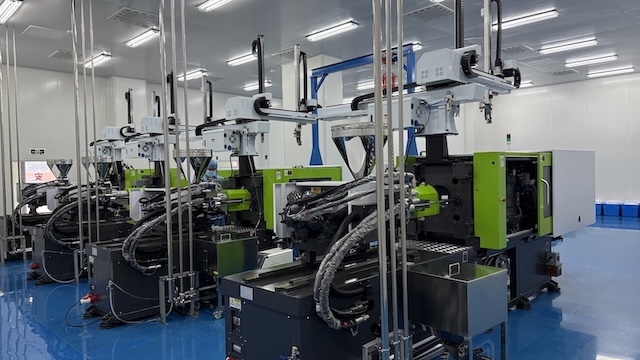
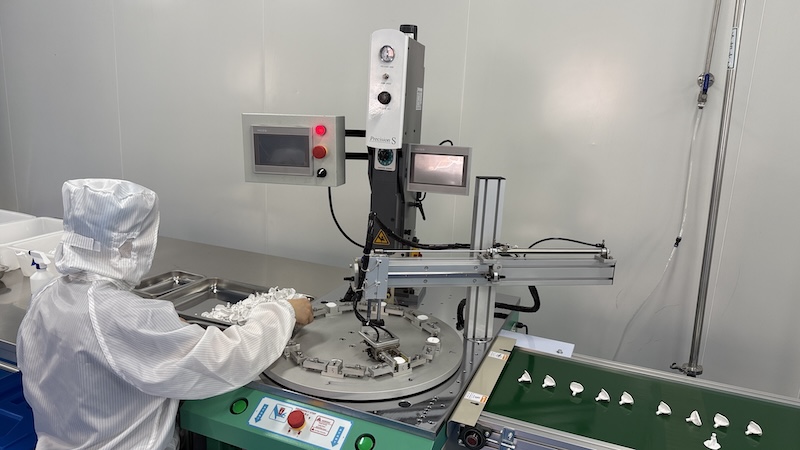
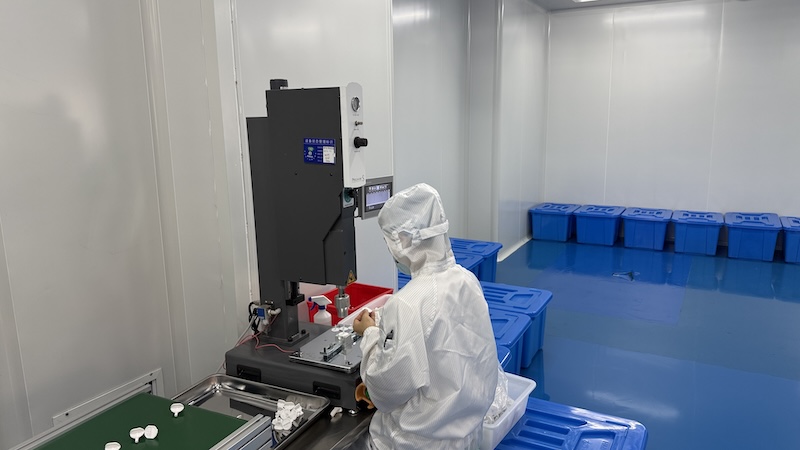
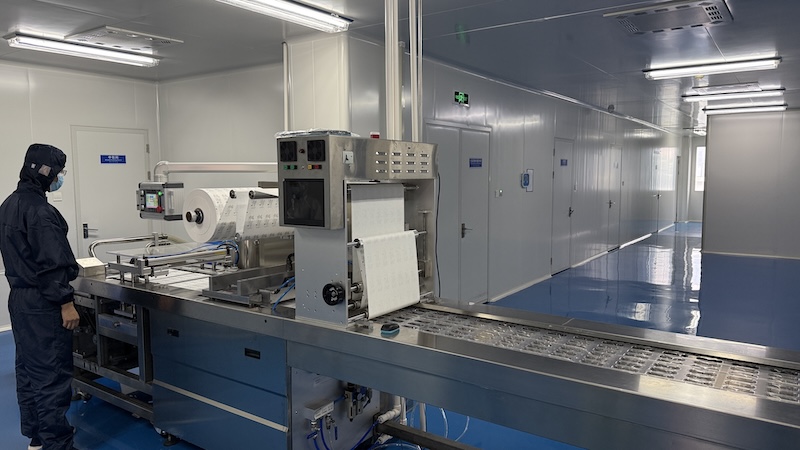
Insight into Vetsys' integrated production pipeline, spanning automated hardware packaging, injection molding, and sterile assembly.
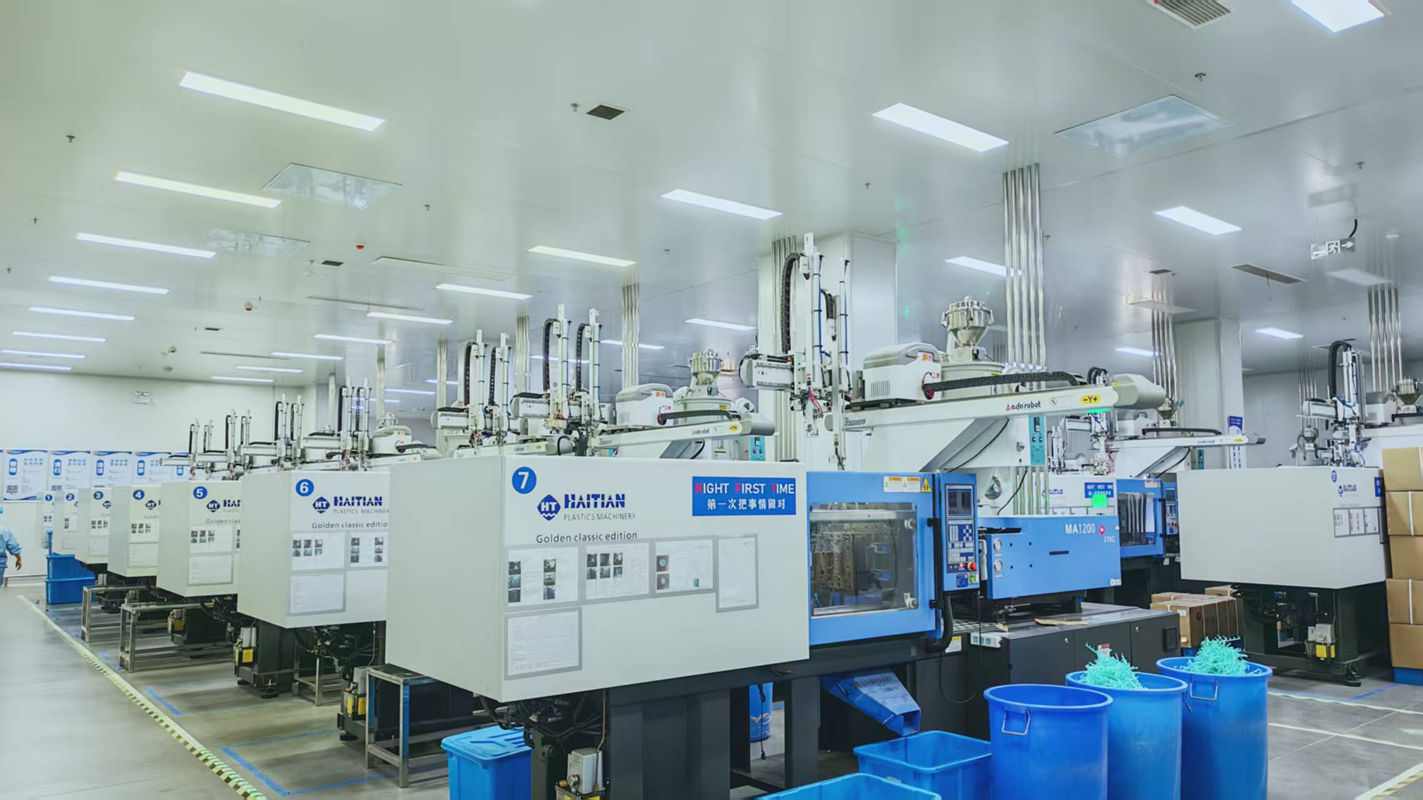
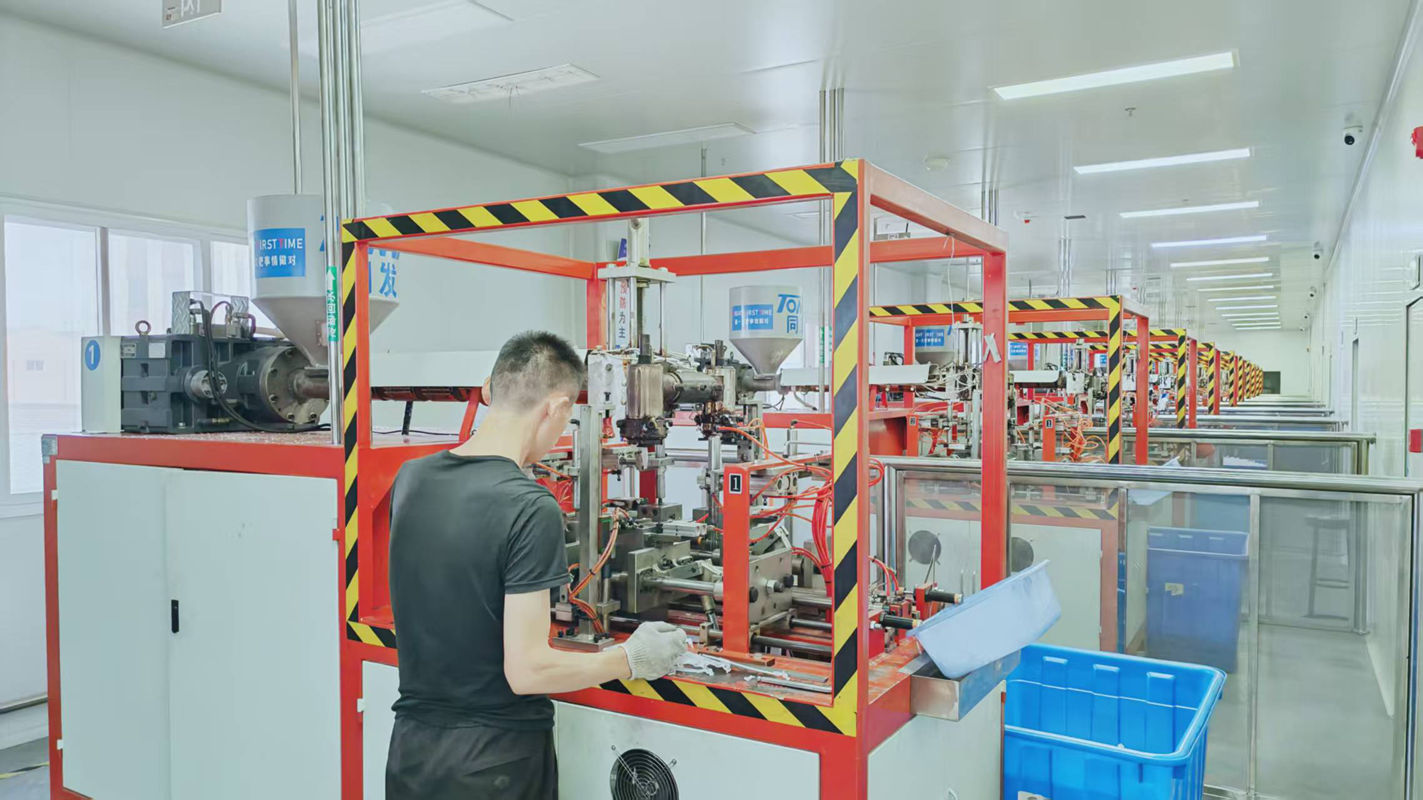
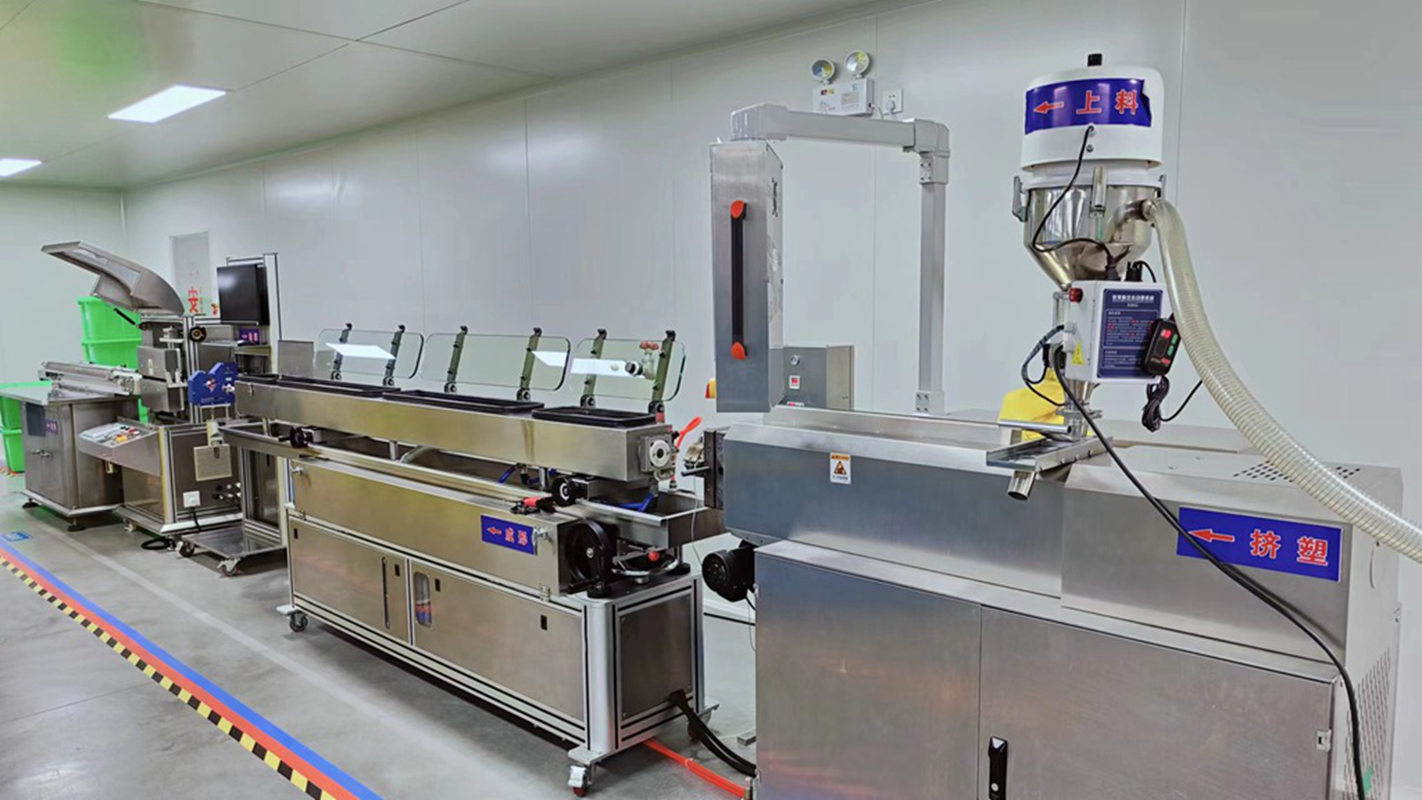
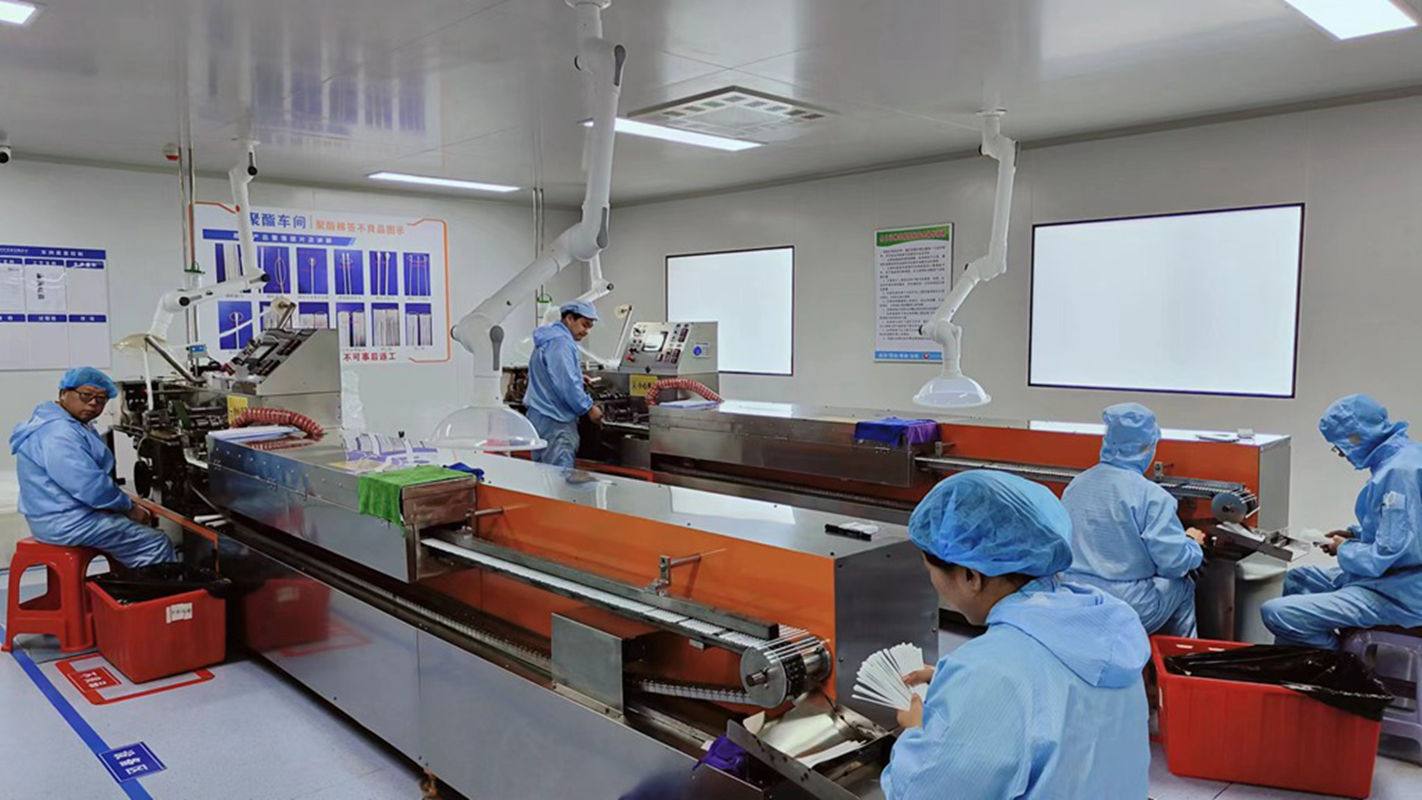
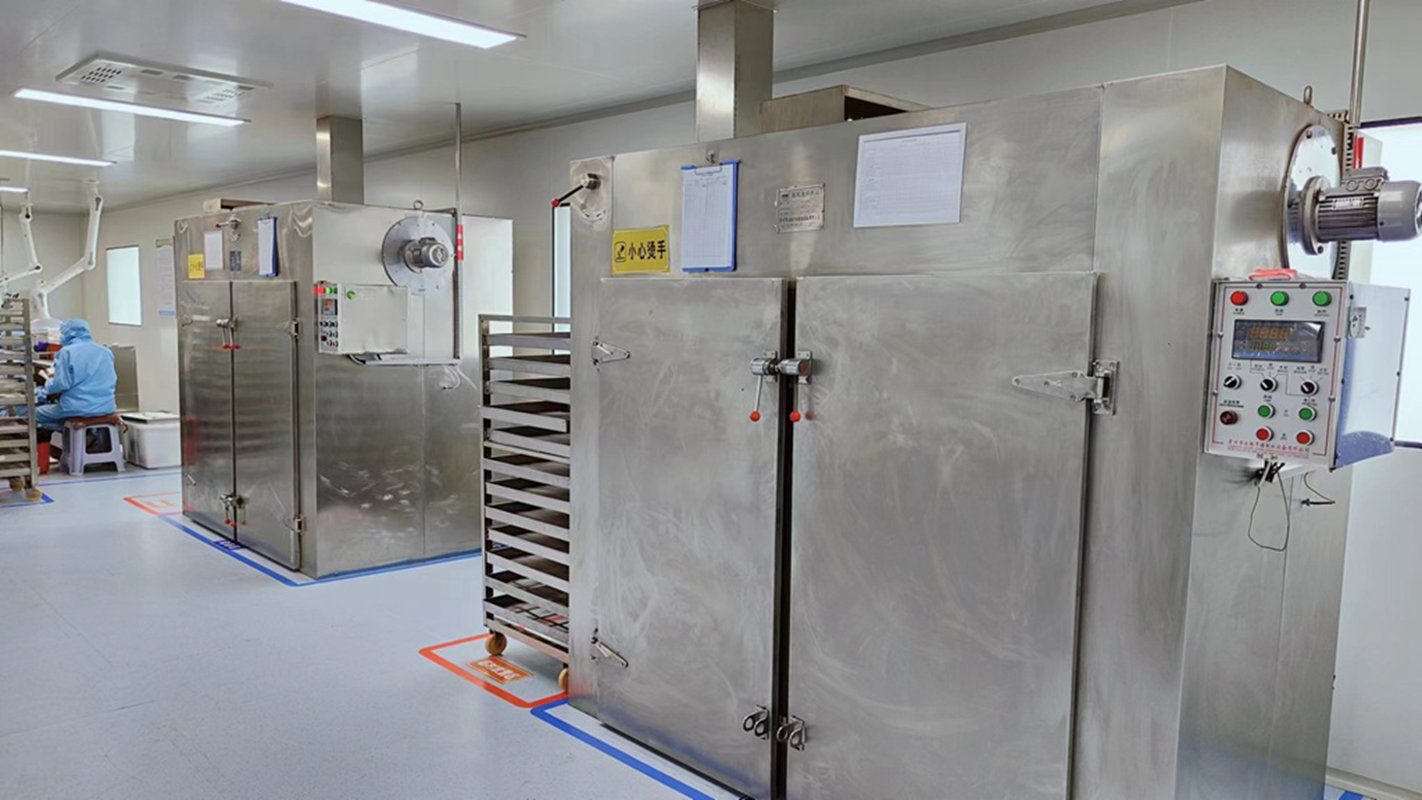
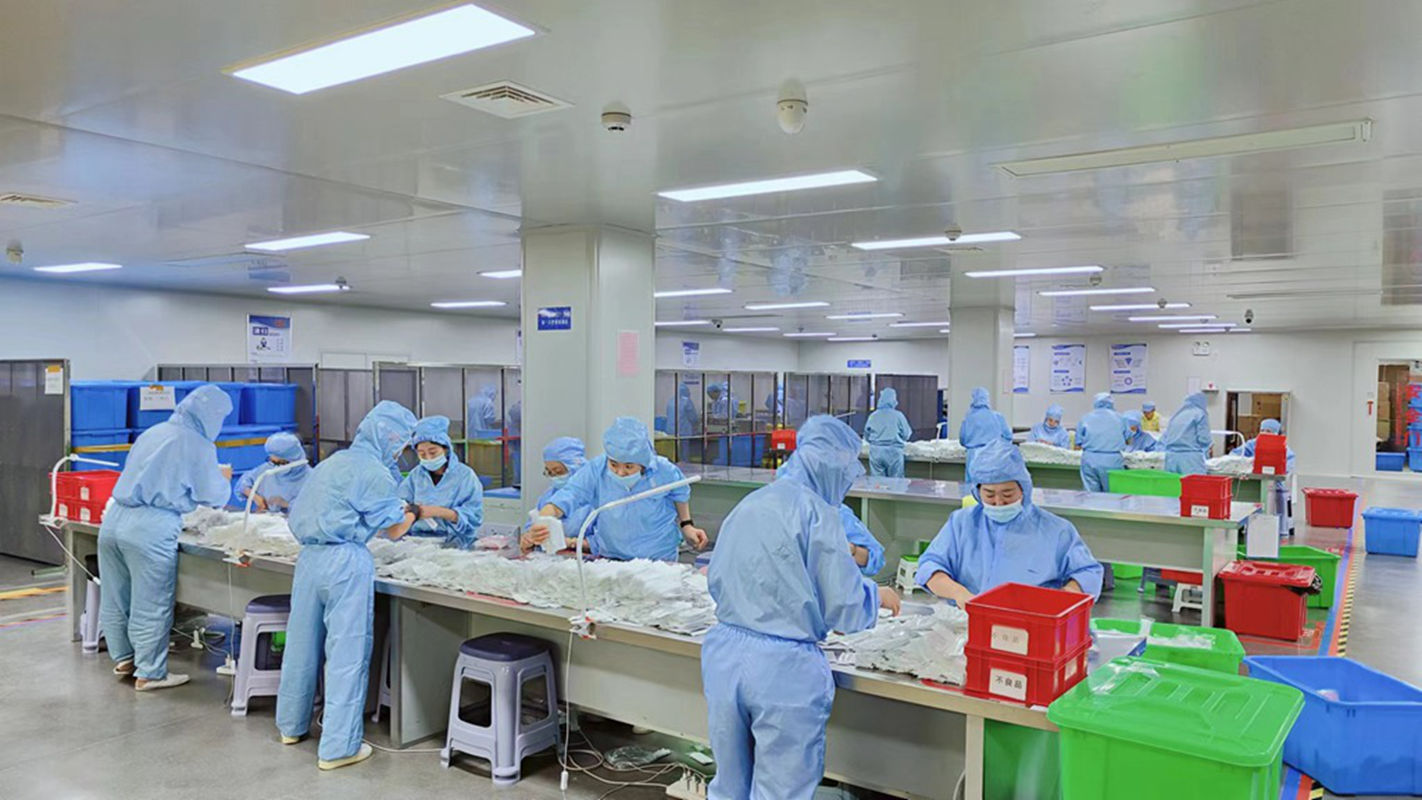
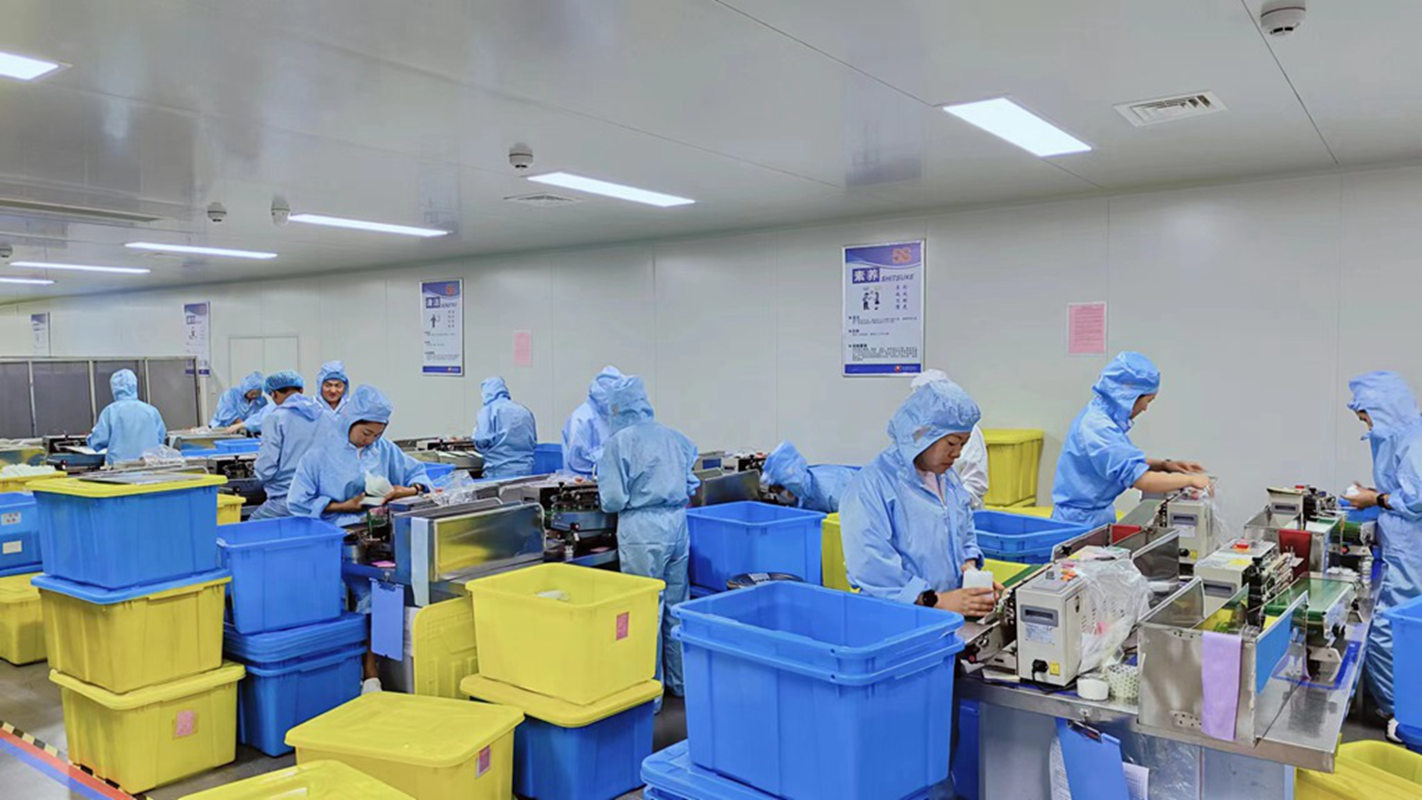
Adapting tonic powder formulations to targeted climate conditions, animal species, and dynamic farm sizes.
In regions such as Southeast Asia and Latin America, heat stress severely limits feed intake. Electrolyte-balanced tonic powders are formulated to dissolve smoothly in warm drinking water, restoring metabolic homeostasis without clumping in high-humidity piping systems.
Modern layer and broiler complexes run high-speed feed lines. Precision-engineered soluble powders containing vitamin complexes and herbal extracts must disperse evenly to prevent sub-optimal dosing, ensuring flock uniform growth rates.
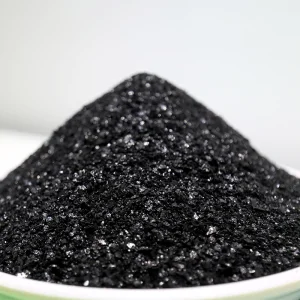
With regulations focusing on nitrogen and phosphorus runoff, tonic powders are increasingly combined with natural active agents (such as leonardite-derived humic acid) to optimize nutrient utilization and dramatically reduce excretion levels.
Pioneering active molecule stability, eco-friendly synthesis, and automated processing.
Traditional powders often suffer from rapid chemical degradation when exposed to mineral premixes or acidic environments. The future roadmap lies in micro-encapsulation, wrapping active particles in lipids or ethyl-cellulose shells. This targeted-release profile ensures the compound bypasses the stomach/rumen and degrades exactly where needed in the intestinal tract.
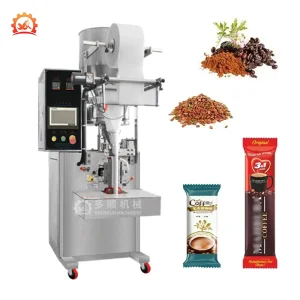
Packaging technology is directly linked to shelf-life assurance. Transitioning factories to high-speed measuring cup feeders and intelligent bag-forming systems ensures clean, airtight seals. This protects hygroscopic formulations from moisture ingress during international shipment across varying marine climates.
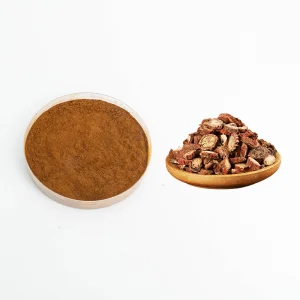
Standardizing botanical extracts remains a priority. Through high-performance liquid chromatography (HPLC) and standardized dry processing, active compounds like salvianolic acid or xylem fractions are kept consistent across production batches. This level of quality management minimizes variations in B2B supply lines.
Resolving key technical, manufacturing, and regulatory compliance queries for global buyers.
CE certified powders undergo physical, chemical, and microbiological checks. These include moisture content limits (typically below 5% to prevent mold), heavy metal screening (Pb, As, Cd), particle size distribution (PSD) tests, active marker quantification via HPLC, and solubility validation in hard water environments.
Automated powder packaging machines minimize atmospheric exposure. Optional nitrogen-purging systems replace oxygen inside the packaging with an inert gas environment, stopping oxidation and safeguarding active ingredients like vitamins, enzymes, and antibiotics from degradation.
Soluble powders are designed to dissolve fully in drinking water lines without leaving residue that could clog spray nozzles or automated valves. Premixes are designed for dry feed mixers and usually include carrier matrices like wheat bran or calcium carbonate for optimal dispersion in dry feed mills.
Vetsys operates five specialized quality control laboratories. Every batch of incoming raw materials undergoes Fourier-transform infrared spectroscopy (FTIR) identification and assay testing before release to production lines. This prevents cross-contamination and maintains GMP compliance.
Phytogenic extracts contain active secondary metabolites that support gut health, soothe inflammation, and naturally balance intestinal microbiota. While not direct replacements for acute treatments, they serve as effective tools in AGP-free production strategies.
High-purity veterinary products designed for agricultural, aquacultural, and clinical operations worldwide.