🔹 Applications & Usage
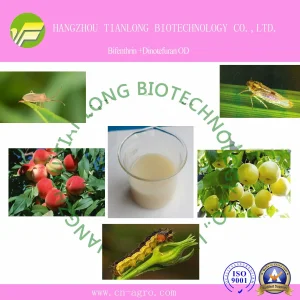
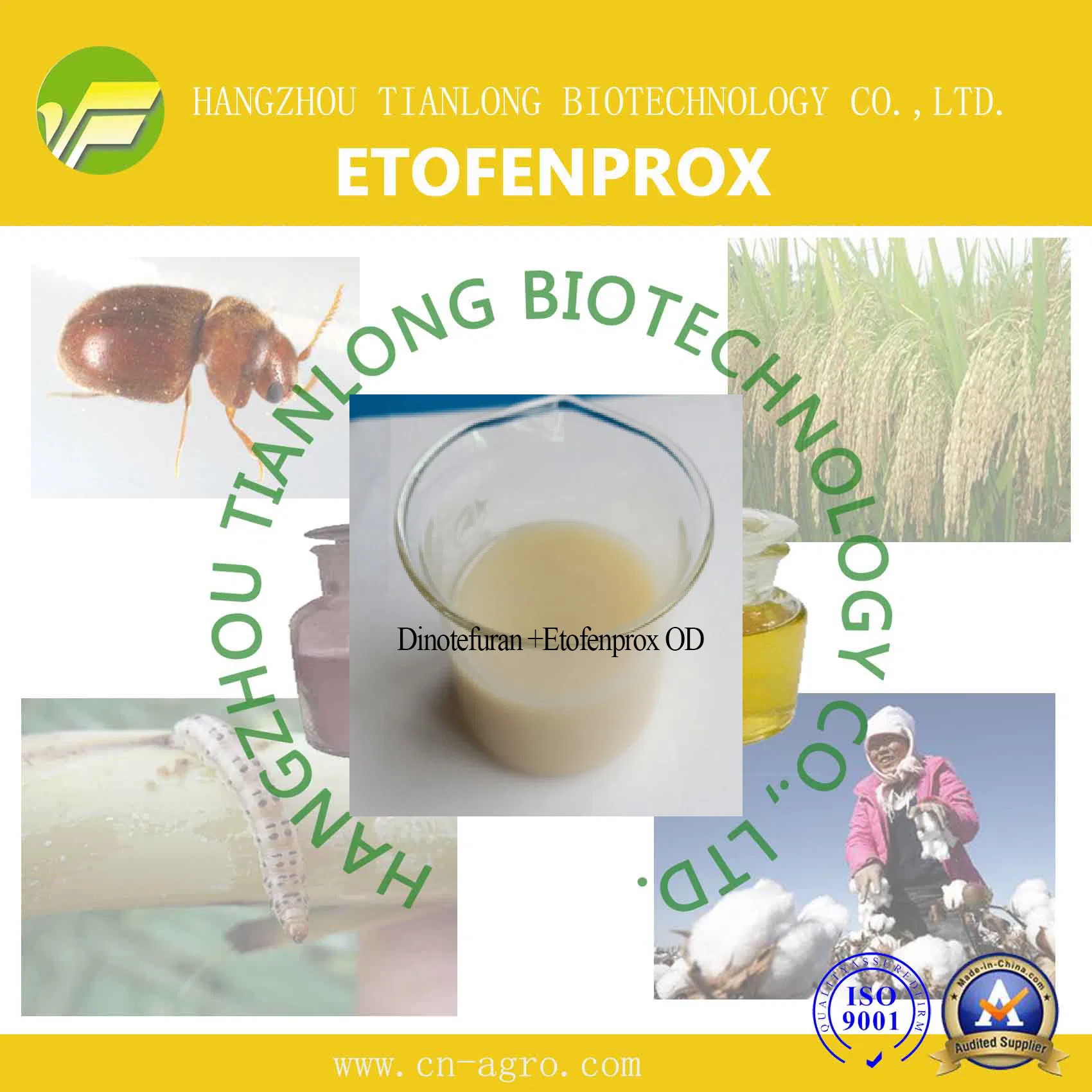
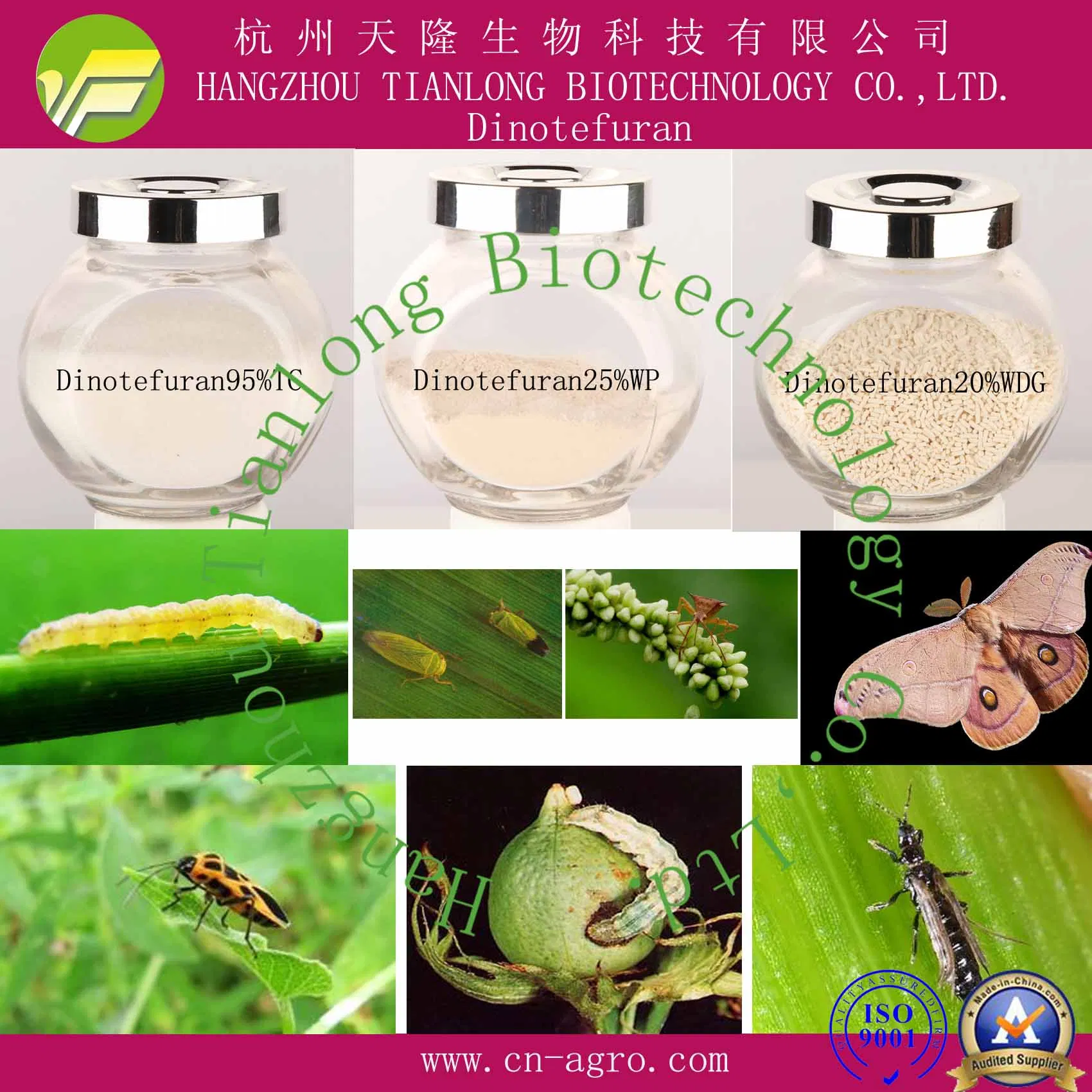
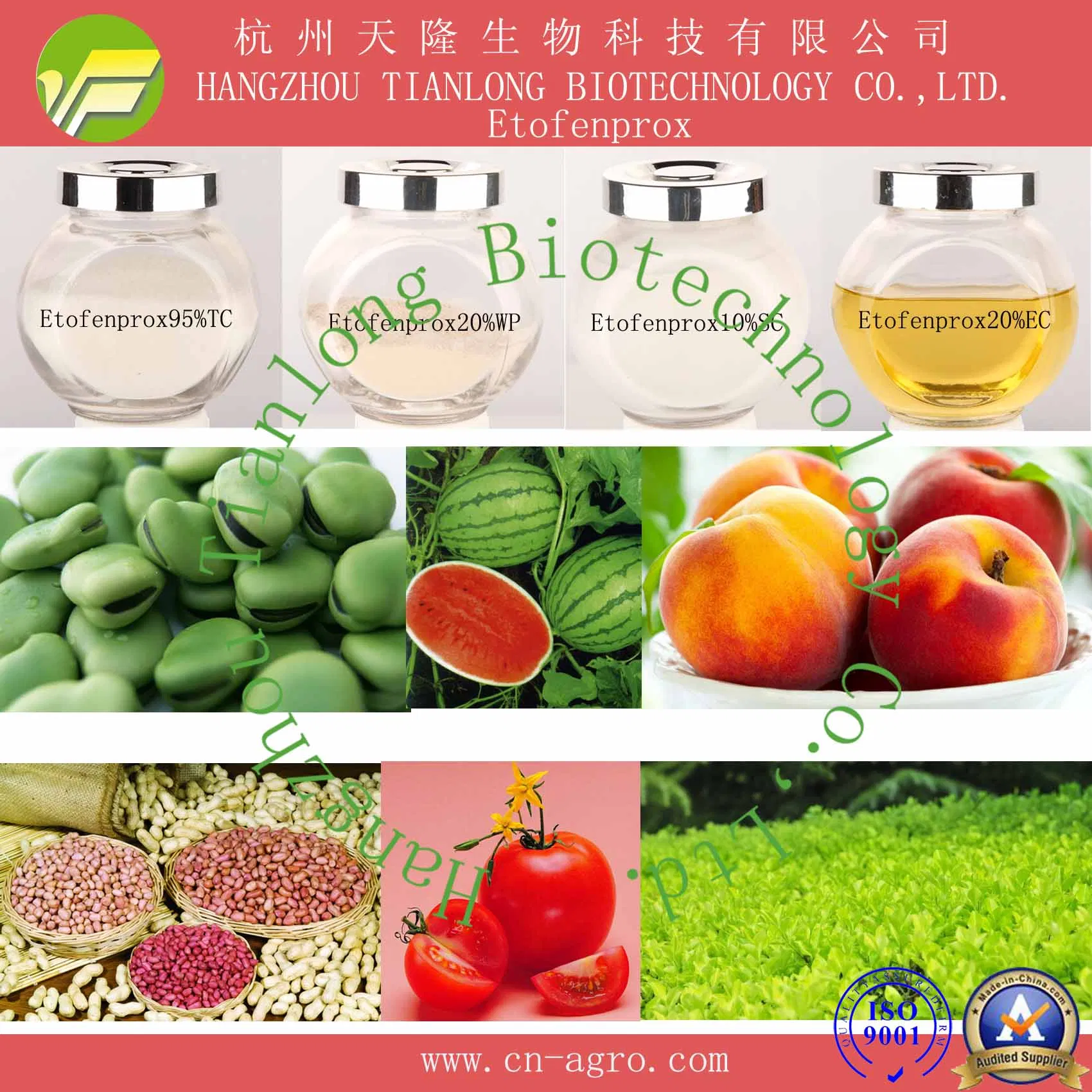
The pesticide mixture of Dinotefuran and Etofenprox combines a neonicotinoid insecticide with a pyrethroid insecticide. This combination provides a broad-spectrum and synergistic effect, targeting a wide range of pests while reducing the risk of resistance development.
📍 1. Agriculture
- Target Pests: Effective against sucking pests (aphids, whiteflies, thrips) and chewing pests (caterpillars, beetles).
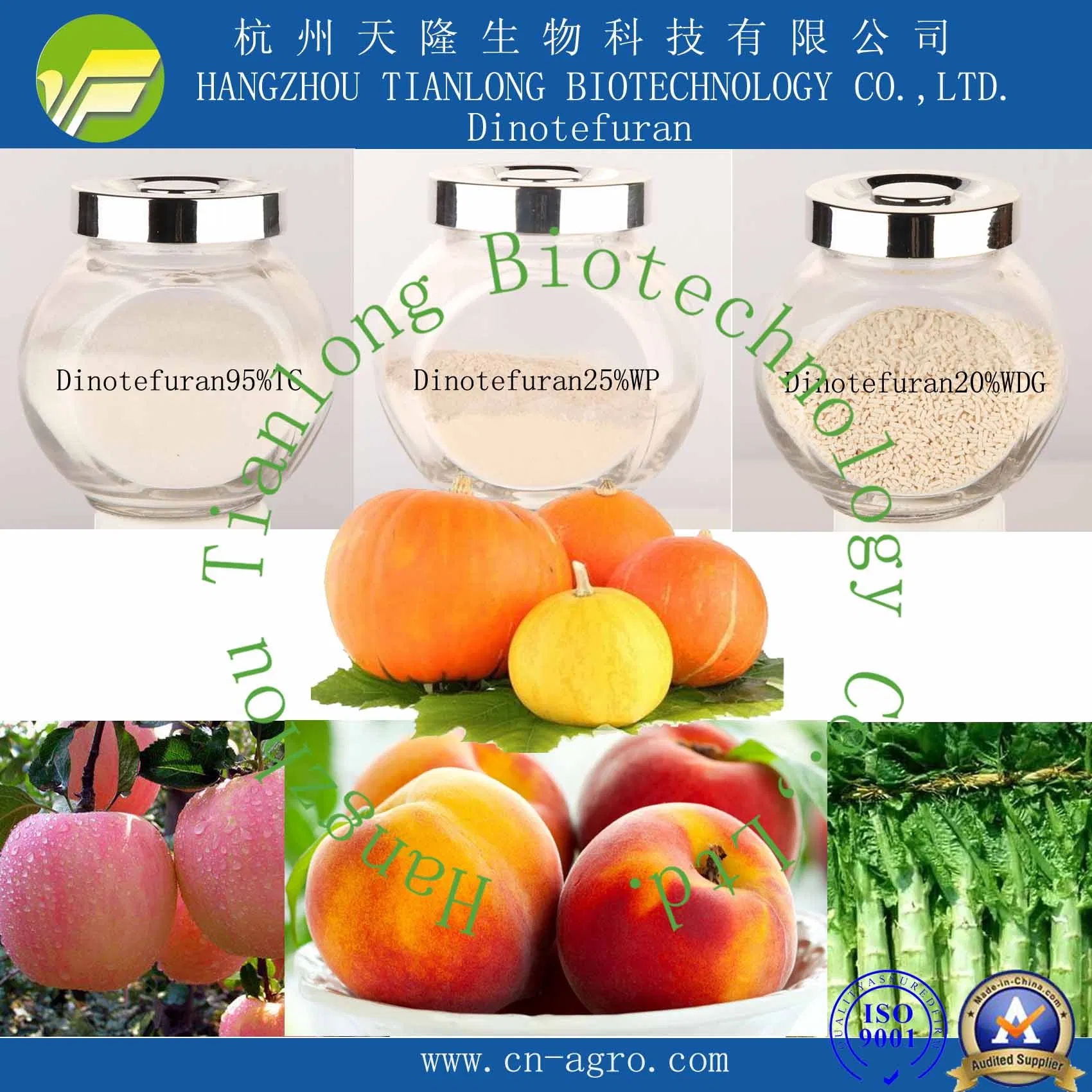
- Crops: Used on vegetables, fruits, rice, tea, and ornamental plants.
📍 2. Household and Public Health
- Target Pests: Controls mosquitoes, flies, cockroaches, and other household pests.
- Application: Used in residential areas and public spaces for vector-borne disease control.
📍 3. Animal Husbandry
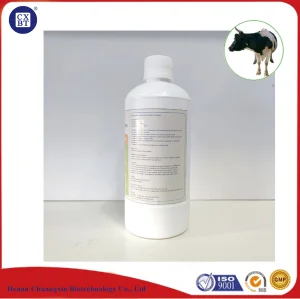
- Target Pests: Controls ectoparasites such as ticks and fleas on livestock and in housing.
✅ Advantages of the Mixture
- Broad-Spectrum Control: Targets both sucking and chewing pests simultaneously.
- Dual Action: Combines systemic action (Dinotefuran) with contact and residual action (Etofenprox).
- Resistance Management: Dual mode of action significantly reduces the likelihood of pest resistance.
🔹 Frequently Asked Questions
What are the primary benefits of the Dinotefuran and Etofenprox mixture?
This mixture provides a synergistic effect by combining systemic action (Dinotefuran) with contact and residual action (Etofenprox), ensuring broad-spectrum control over both sucking and chewing pests.
Which crops is this pesticide mixture suitable for?
It is widely used in agriculture for vegetables, fruits, rice, tea, and various ornamental plants.
How does Dinotefuran work against insects?
Dinotefuran is a neonicotinoid that disrupts the insect's nervous system by inhibiting nicotinic acetylcholine receptors.
Can this product be used for public health pest control?
Yes, it is effective against household and public health pests like mosquitoes, flies, and cockroaches when applied as a space or residual spray.
What is the recommended storage condition?
The product should ideally be stored in a cool environment, specifically between 0-6°C for maximum stability.
What safety precautions should be followed?
Users should wear protective clothing, gloves, and masks. Avoid spraying during flowering periods to protect pollinators and prevent contamination of water bodies.
 Vetsys Pharmaceutical