Vetsys Pharmaceutical
Vetsys Pharmaceutical
Vetsys Pharmaceutical
An in-depth analysis of regulatory compliance, biochemical avenues of growth enhancement, livestock therapeutic interventions, and global trade dynamics in animal protein optimization.
Established in 2005, Zhengzhou Vetsys Pharmaceutical Co., Ltd. (Vetsys) is a leading manufacturer in the animal pharmaceutical and feed-additive industry, operating with a registered capital of 30 million RMB. Our state-of-the-art manufacturing campus features specialized sterile and clean-room workshops optimized for producing a wide range of veterinary solutions, including powders, premixes, sterile liquid injections, powder injections, oral solutions, tablets, granules, herbal drug extracts, and environmental disinfectants.
By focusing on the convergence of veterinary science and animal nutritional biochemistry, Vetsys has positioned itself at the forefront of China's Top Meat Enhancers Manufacturers & Developers. The modern agricultural industry defines "meat enhancers" not merely as flavor profiles added post-slaughter, but as physiological, immunological, and metabolic optimizations delivered during the animal's life cycle. Our systems optimize the Feed Conversion Ratio (FCR), safeguard animal health against performance-depressing infections, and ensure premium carcass traits.
Operating in strict compliance with Good Manufacturing Practices (GMP) and ISO 9001:2015 frameworks, Vetsys ensures all production lines meet global compliance thresholds. By 2015, the company had established its domestic market authority with annual sales exceeding USD 20 million, prompting a strategic expansion into global livestock and veterinary trade channels.
In modern commercial livestock production, animal growth rate, feed efficiency, and carcass quality are the primary pillars of profitability. True meat enhancement starts at the cellular level. By combining high-purity metabolic agents, antimicrobials, and mineral complexes, producers can optimize metabolic energy allocation away from adipose tissue accumulation and toward skeletal muscle deposition.
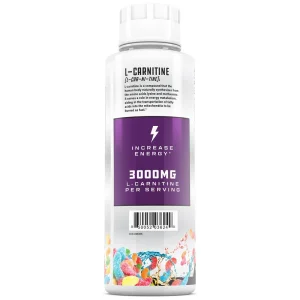
Compounds like L-Carnitine act as vital transport molecules, shuttling long-chain fatty acids into mitochondria for beta-oxidation. This process limits backfat thickness in swine and poultry while augmenting protein deposition in targeted muscle tissue, increasing the overall lean meat yield.
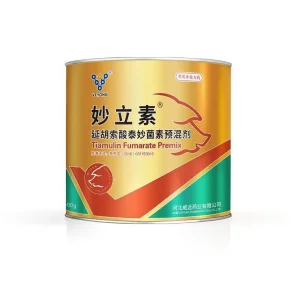
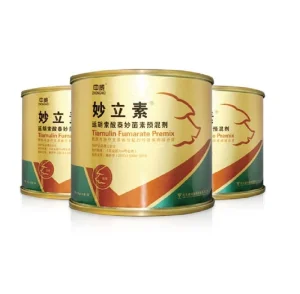
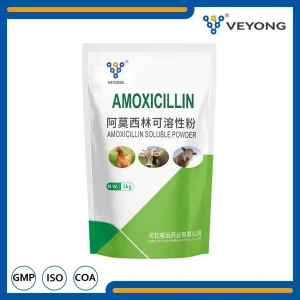
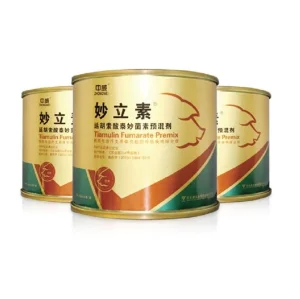
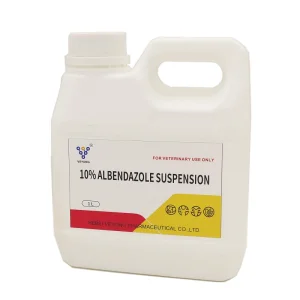
Therapeutics like Tiamulin Fumarate and Amoxicillin suppress subclinical pathogens in the respiratory and gastrointestinal tracts. Subclinical infections shift cellular energy toward immune activation; eliminating these pathogens allows nutrients to be redirected back to muscle growth.
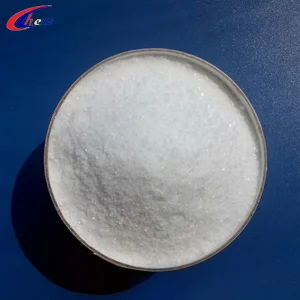
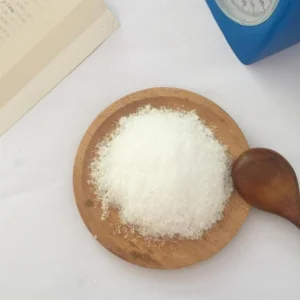
High-purity food and feed additives, such as Monopotassium Phosphate (MKP), act as systemic pH buffers. Maintaining optimal electrolyte balance prevents post-slaughter drip loss, enhances meat water-binding capacity, and prevents pale, soft, exudative (PSE) meat conditions.
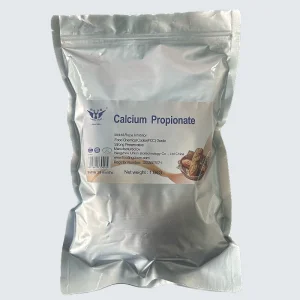
Fungal and bacterial spoilage in feed compounds destroys essential nutrients, leading to toxins that stunt animal growth and compromise carcass safety. The introduction of feed preservatives like Calcium Propionate prevents mold proliferation in stored feeds. By maintaining chemical and micro-biological integrity, Calcium Propionate ensures that the nutritional feed intake is utilized efficiently, resulting in uniform muscle growth and consistent fat distribution across the herd.
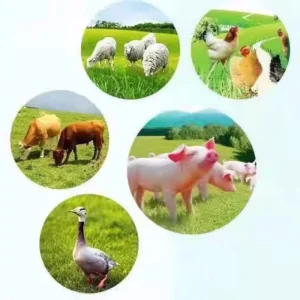
As global demand for meat protein increases, commercial integrators face rising feed costs and strict regulatory rules on veterinary chemical residues. Modern poultry and swine farms in the EU, the Americas, and expanding markets in Africa require high-efficiency solutions to optimize resource utilization.
B2B sourcing agents focus on procurement solutions that balance raw biological efficacy with international trade compliance:
At Vetsys, our manufacturing processes are divided into specialized lines to prevent cross-contamination and guarantee consistent particle sizing, solubility, and therapeutic efficacy. Our facility integrates precision synthesis, sterile formulation preparation, and advanced packaging lines.
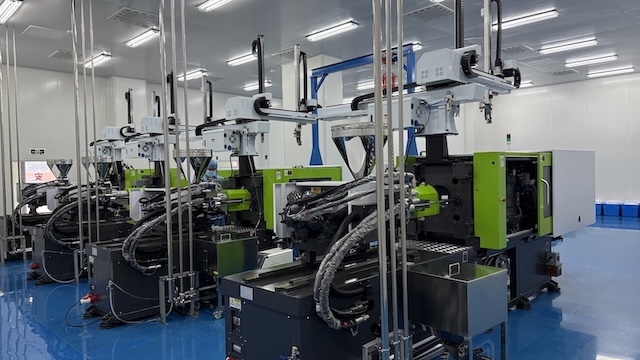
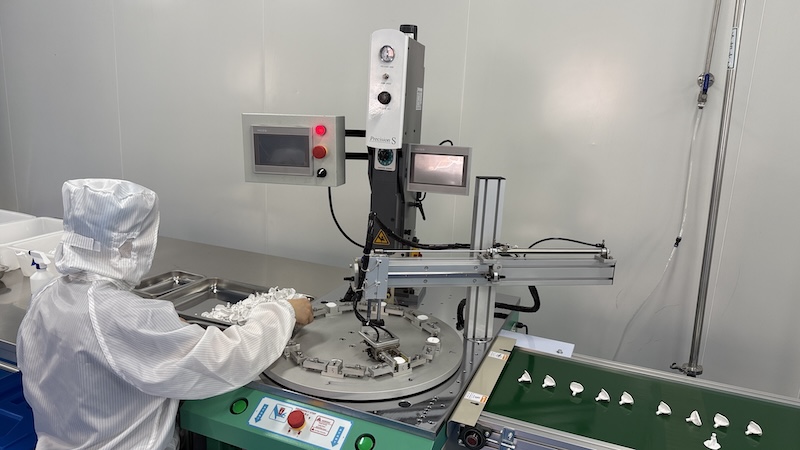
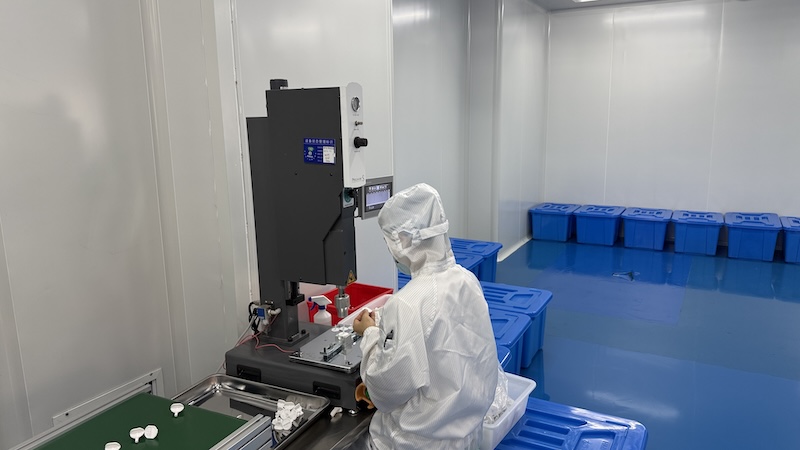
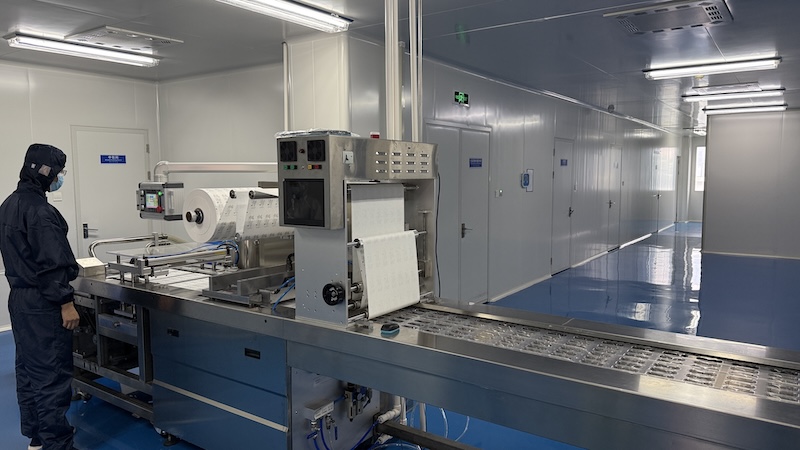
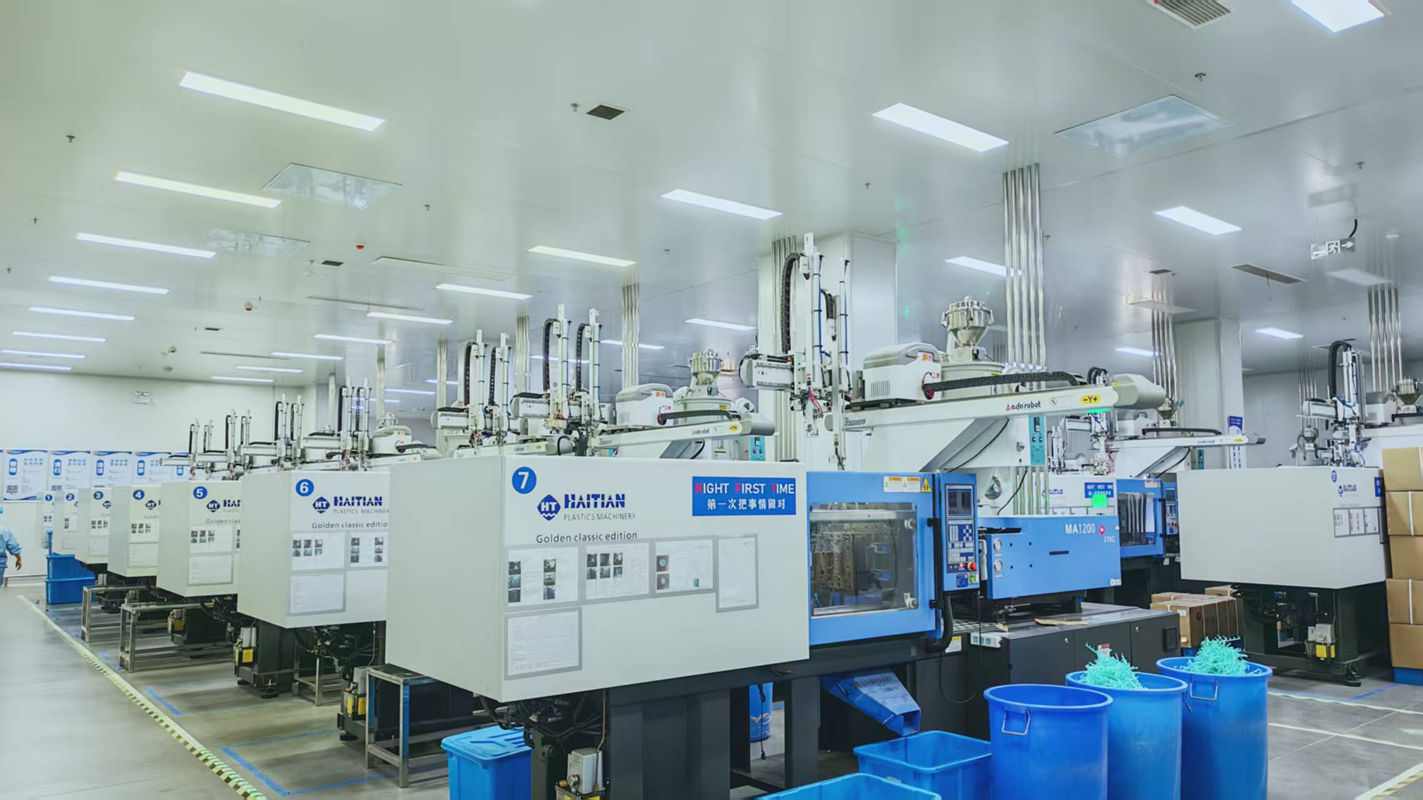
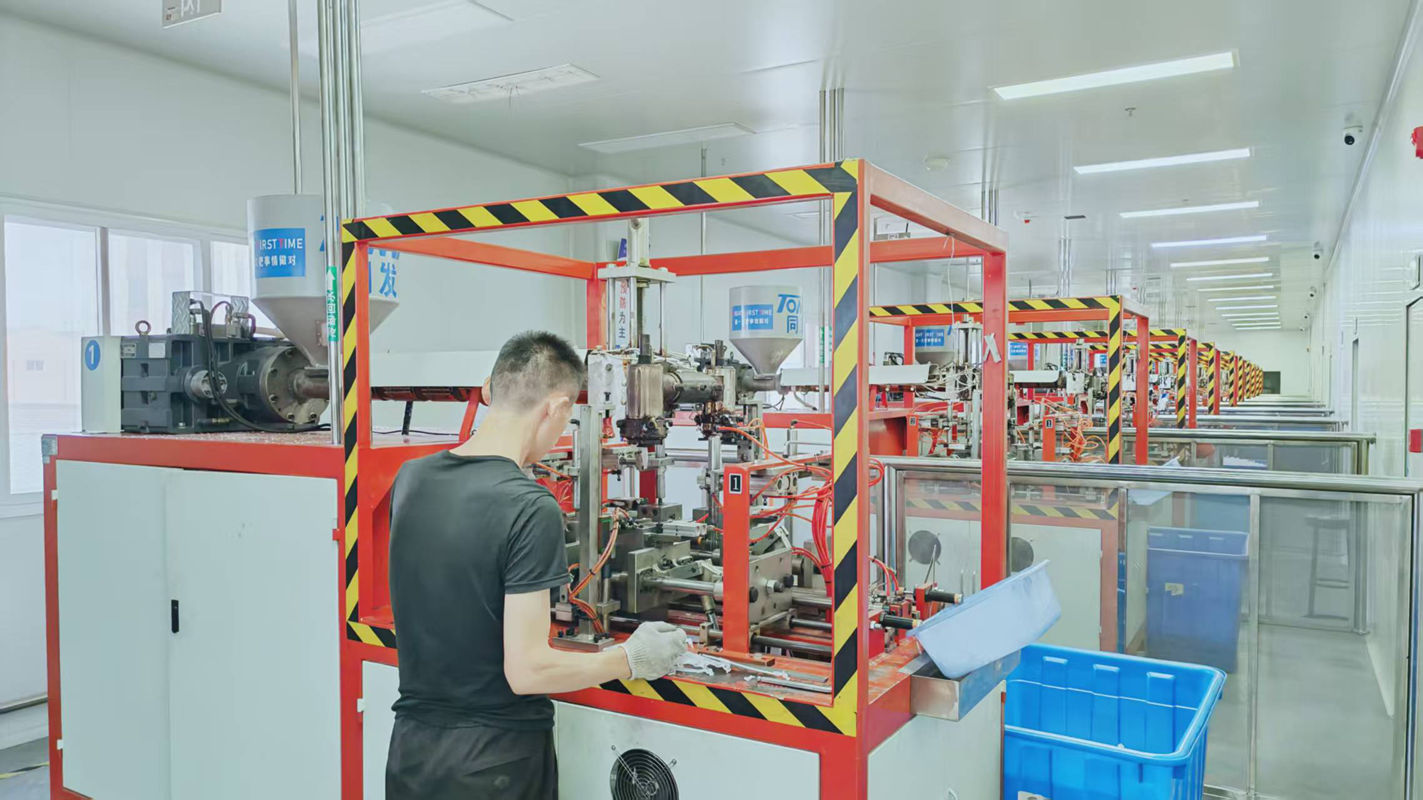
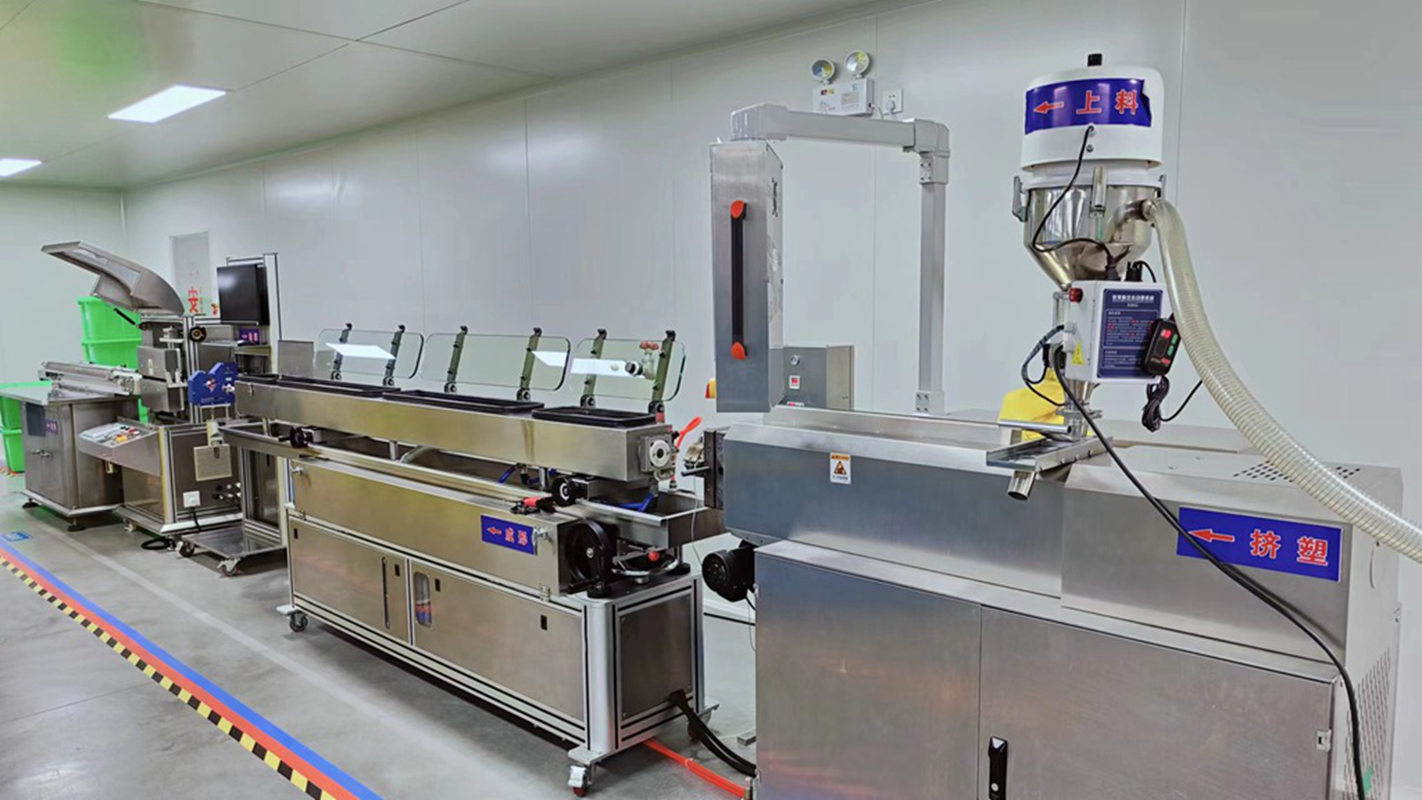
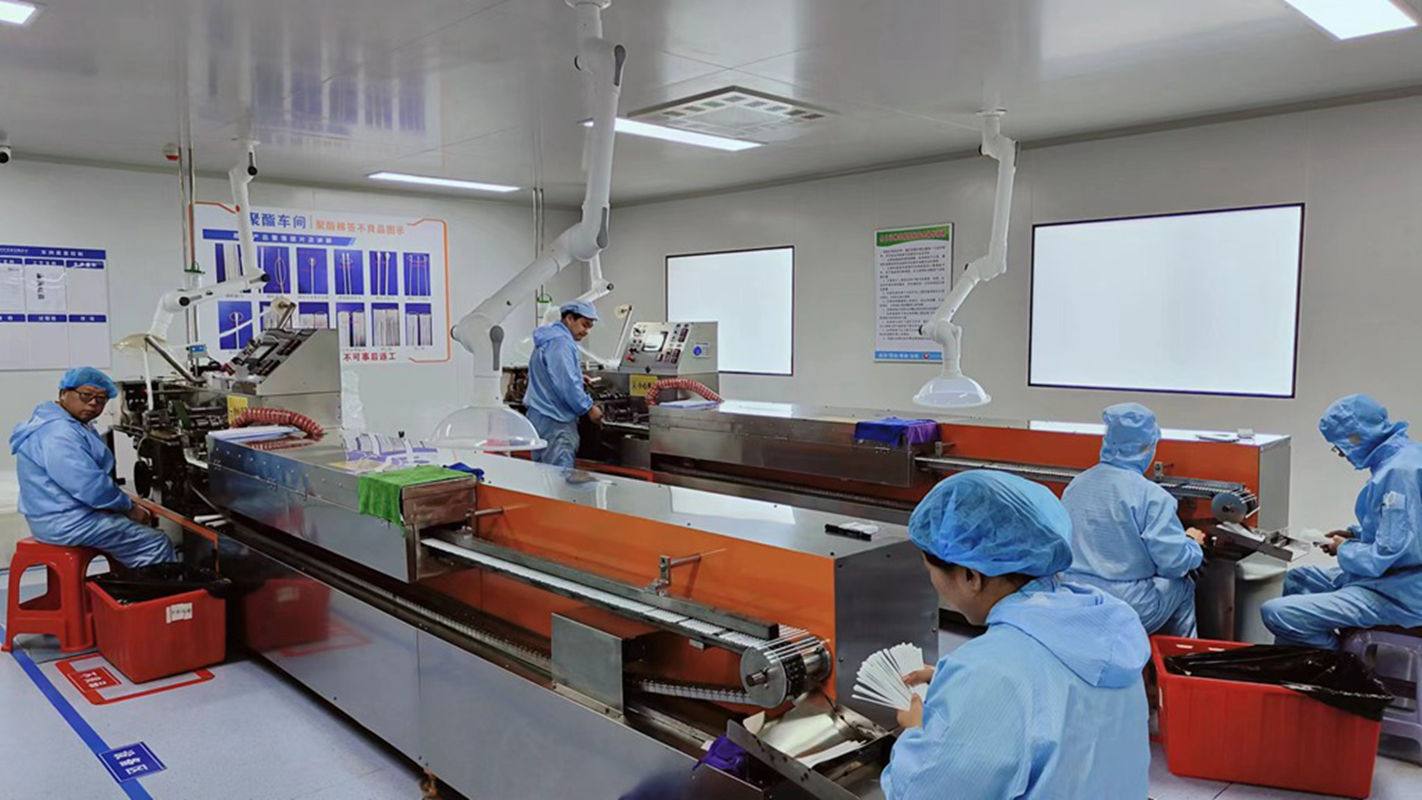
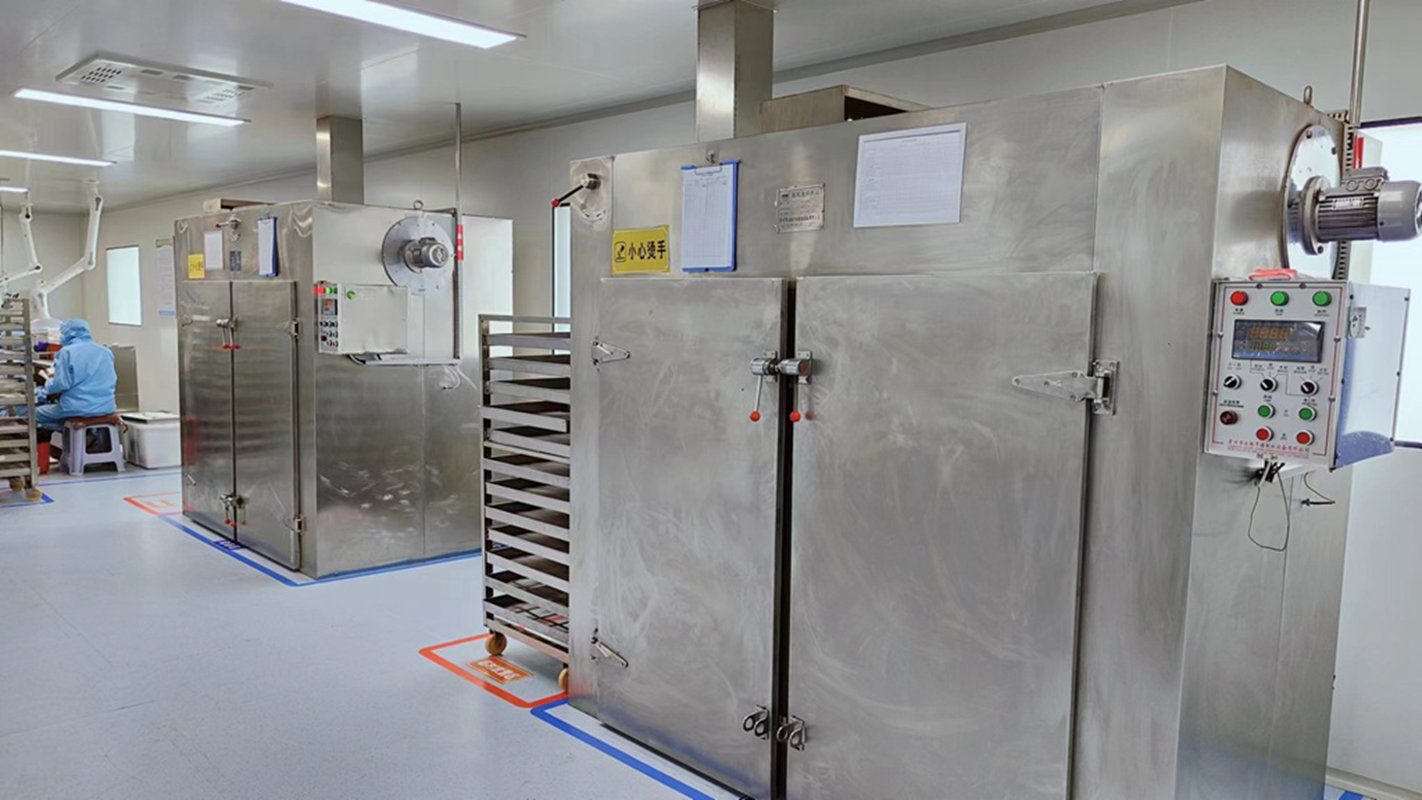
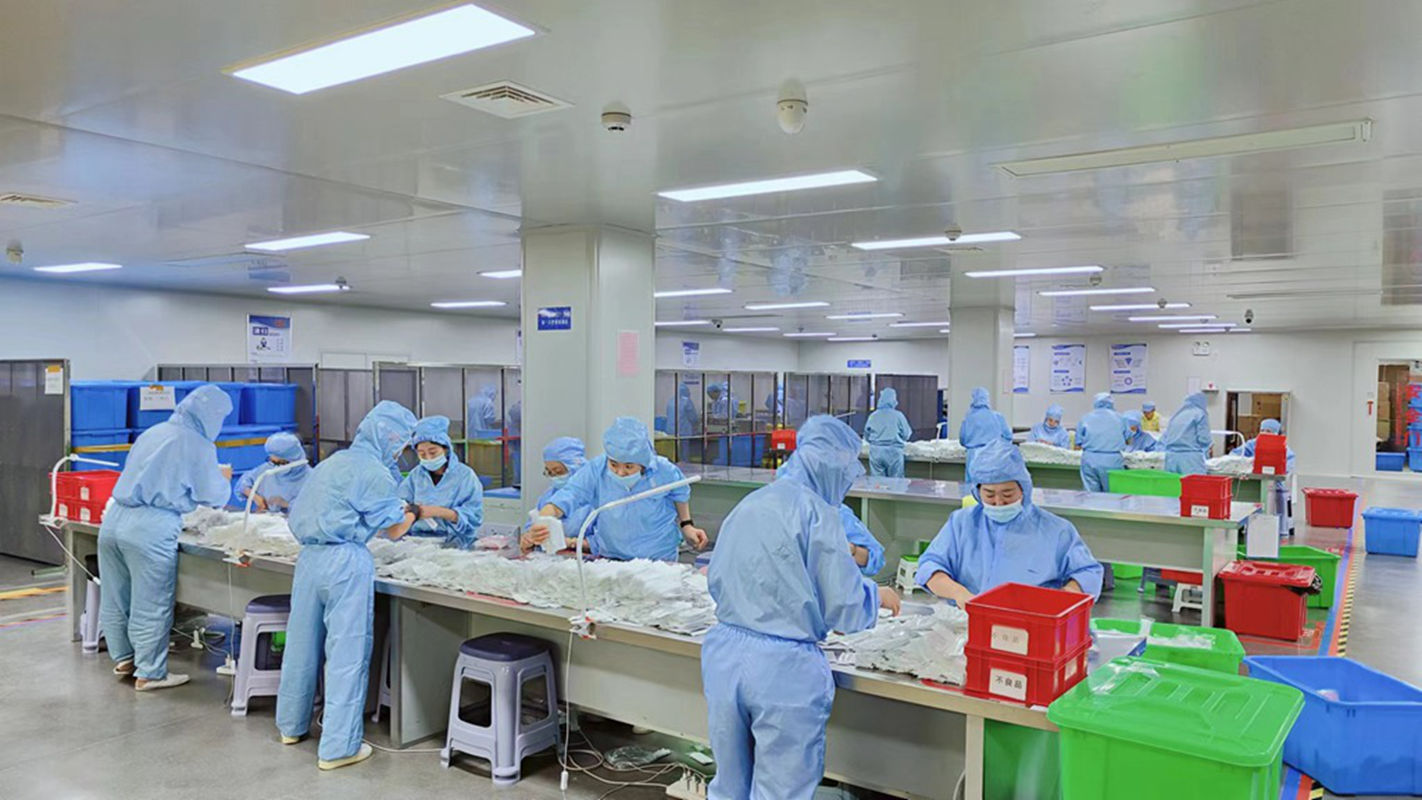
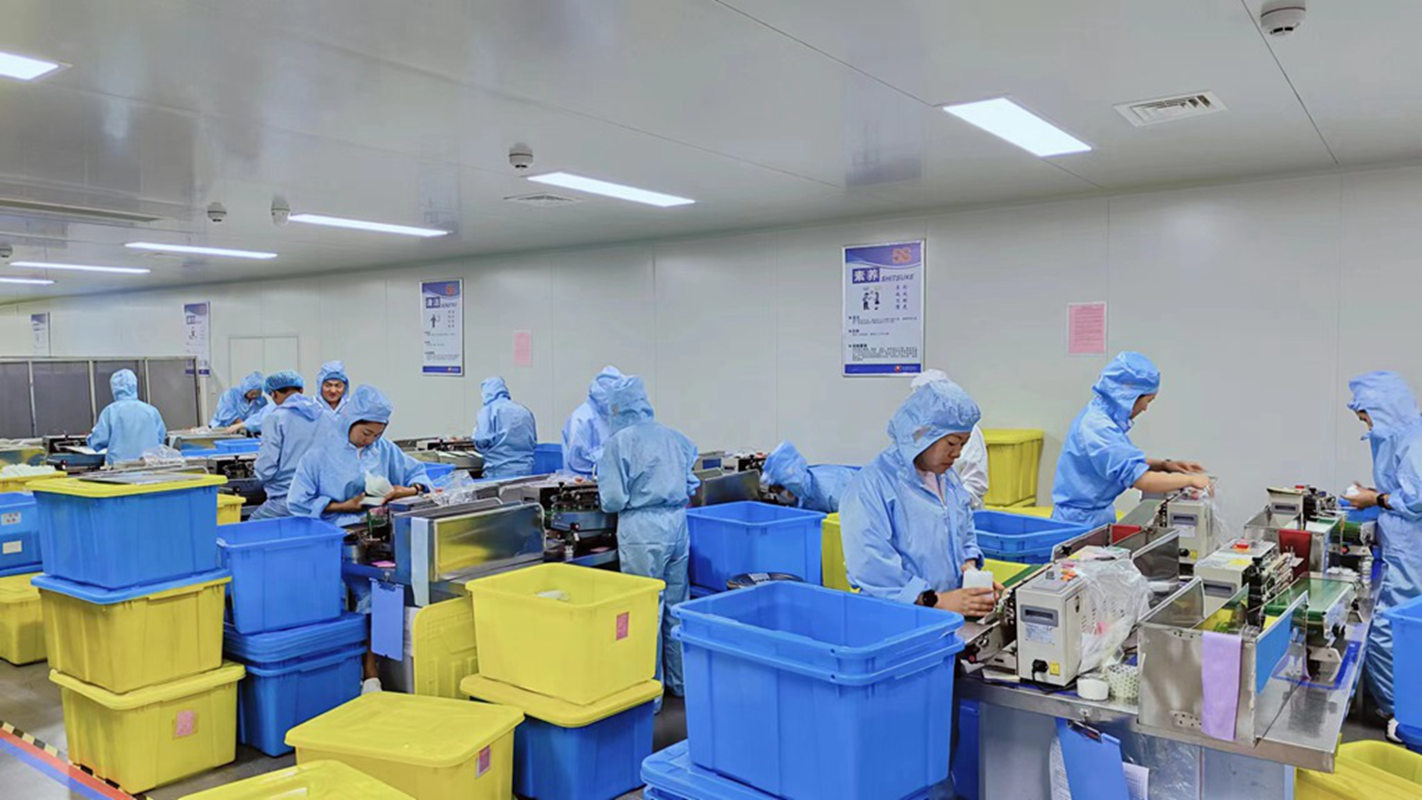
Our manufacturing facility features vertically integrated production capabilities. By utilizing internal blow molding, injection molding, and extrusion molding technologies, we produce high-density, double-walled containers that protect sensitive powders and liquid APIs from temperature fluctuations and humidity. This level of process control ensures that from initial synthesis to final packaging, the biological potency of our compounds remains intact, delivering consistent field results.
The livestock sector is shifting away from traditional prophylactic antibiotic regimes toward integrated gut-health optimization and target-driven biosecurity. Vetsys's research team is focus on three core areas:
To prevent sensitive compounds from degrading in the acidic gastric environments of monogastric animals (such as pigs and chickens), we are developing lipid-coated and polymer-shielded micro-encapsulated formulations. This technology ensures that active ingredients like *Amoxicillin* and *Tiamulin* are released in the lower intestine, maximizing therapeutic efficacy and reducing dosage requirements.
Building on our herbal drug extraction lines, we are developing veterinary formulations that combine traditional antimicrobials with standardized botanical extracts (like garlic, oregano, and astragalus polysaccharides). These combinations work synergistically to support animal immunity, reduce dependency on synthetic chemotherapeutics, and lower chemical residue levels in muscle tissues.
Vetsys is upgrading its synthesis routes for veterinary salts and food preservation agents, including Calcium Propionate and Sodium Silicate. By using enzymatic synthesis and closed-loop water recirculation systems, we are reducing environmental emissions, improving yield purity, and lowering energy consumption per metric ton.
Technical and regulatory insights on animal growth promoters, meat quality enhancers, and B2B procurement logistics.