Vetsys Pharmaceutical Vetsys Pharmaceutical

China Top 10 Ways to Treat Vitamin Deficiency in Poultry with Oral Liquids?

Time:2026-05-11 Author:Amelia
0%

Vitamin deficiency in poultry poses significant challenges to poultry health and productivity. According to the Food and Agriculture Organization (FAO), deficiencies can lead to reduced growth rates and egg production. Poultry farmers must understand how to treat vitamin deficiency in poultry using oral liquids effectively.

A recent survey showed that over 30% of poultry farms report issues related to vitamin deficiencies. Common symptoms include weakness and poor feathering. Hence, enhancing nutritional strategies is crucial. Using oral liquids to administer vitamins ensures better absorption and faster recovery in birds. This method not only allows for targeted treatment but also reduces stress compared to other delivery methods.

Experts recommend specific vitamin formulations tailored for poultry. Research indicates that using oral liquids can enhance bioavailability. However, improper use or dosage can lead to imbalances. Continuous monitoring and proper veterinary guidance are vital. Despite the challenges, addressing vitamin deficiencies through oral liquids is an essential step towards improving flock health and productivity.
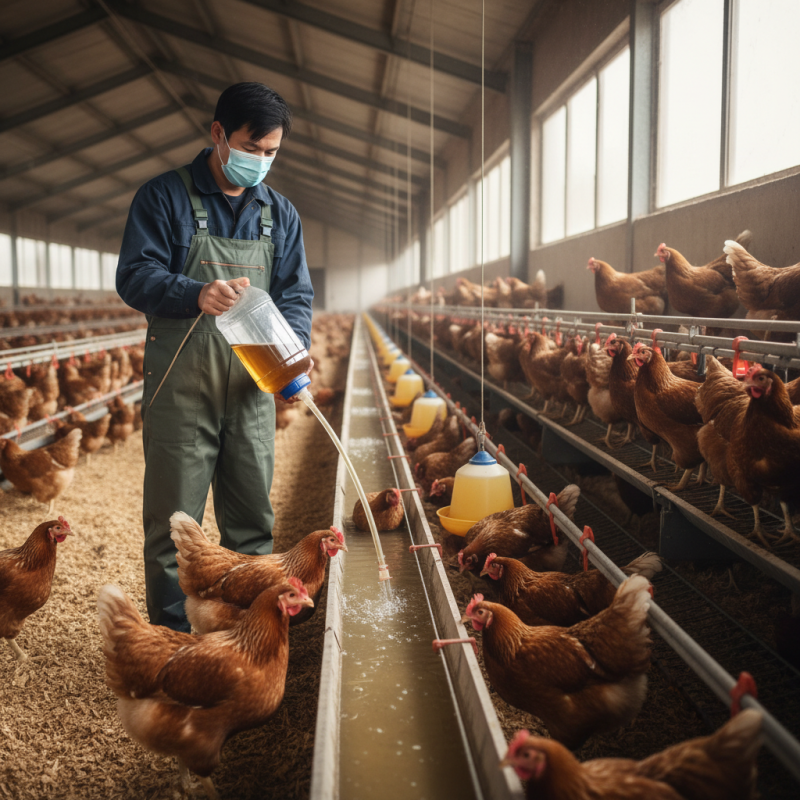
China Top 10 Ways to Treat Vitamin Deficiency in Poultry with Oral Liquids?

Top 10 Vitamin Deficiencies Common in Poultry

Vitamin deficiencies in poultry can lead to reduced growth, poor egg production, and weakened immune systems. The most common deficiencies include Vitamin A, D, E, B-complex vitamins, and K. Each vitamin plays a crucial role in the overall health of the birds. For instance, Vitamin A is vital for vision and reproductive health. A lack of it can result in poor egg quality.

Vitamin D is essential for calcium absorption, impacting bone health. Insufficient Vitamin E can lead to muscle degeneration. Common symptoms include decreased egg production and weak chicks. B-complex vitamins support energy metabolism and the overall nervous system function. Deficiency can show as lethargy or feather loss. Vitamin K is key for blood clotting and deficiency may lead to hemorrhaging.

Addressing these deficiencies is critical. This can involve adjusting diets or using oral liquids designed to provide these essential nutrients. Each deficiency needs specific attention. Sometimes, a single approach may not solve all issues. Monitoring symptoms closely can give clearer insights into what is lacking. Regular health checks and nutrient assessments help in making informed decisions.

Understanding the Role of Oral Liquids in Treating Deficiencies

Vitamin deficiencies in poultry can significantly affect growth and productivity. Oral liquid treatments have emerged as a popular solution among poultry farmers. These liquids are effective for delivering essential nutrients quickly and efficiently. In fact, research indicates that oral liquid supplementation can enhance nutrient absorption by up to 30% compared to solid forms (Poultry Science Journal, 2022).

The role of oral liquids in addressing vitamin deficiencies is critical. They can provide vitamins like A, D, and E directly into the bird’s system. This method ensures rapid uptake, supporting overall health and performance. Studies show that using oral liquids can reduce the signs of deficiencies in birds within a few days. However, there are considerations to keep in mind. Over-reliance on liquid supplements may not encourage proper dietary habits in birds.

Farmers must balance between liquid and solid feed to ensure a comprehensive approach. Regular monitoring is essential. Adjustments to the diet should be based on the specific needs of the flock. In practice, this means farmers need to maintain records of health and productivity regularly. Despite the benefits, the challenge lies in assessing the effectiveness of oral liquids consistently to avoid potential issues.

Effective Oral Liquid Formulations for Poultry Vitamins

Vitamin deficiency in poultry can lead to serious health issues. Effective oral liquid formulations play a vital role in addressing this challenge. These solutions are usually easy to administer, ensuring better absorption rates compared to solid feed additives.

Formulations often include vital vitamins such as A, D, and E. Each vitamin serves specific functions. For instance, Vitamin A supports vision and immune function. On the other hand, Vitamin D is crucial for calcium absorption, promoting strong bone health. Regular monitoring is necessary. Balancing vitamin levels is key to maximizing poultry growth and productivity.

However, diverse factors can influence efficacy. Not all liquid formulations work the same for every flock. Environmental conditions, feed quality, and health status must be considered. Adjustments might be necessary over time. Ongoing research emphasizes the importance of customizing vitamin solutions for specific poultry needs. This tailored approach helps overcome potential deficiencies.

Step-by-Step Administration of Vitamin Oral Liquids

Administering vitamin oral liquids to poultry can significantly improve their health. Proper steps ensure effective treatment. It begins with the right dosing based on the bird's weight and age. Always determine the vitamin's concentration first. Ensuring accurate measurement prevents overdosing or underdosing.

When delivering the liquid, use a syringe for precision. Hold the bird gently but securely. Position the syringe at the beak's side to avoid choking. Administer slowly. This approach encourages swallowing without causing distress. Observe the bird’s reaction closely. This helps you adjust future administrations.

Tips: Monitor your flock consistently. Look for signs of improvement, such as increased activity or better feather condition. Ensure that all equipment is clean to avoid infections. While vitamin deficiencies can be addressed, prevention is crucial. Regular dietary assessment can prevent future issues. Keep records of each bird's treatment. This information is invaluable for future reference.

Monitoring and Adjusting Vitamin Levels in Poultry Health

Monitoring vitamin levels in poultry is crucial for optimal health. Regular assessment can help detect deficiencies early. Symptoms of vitamin deficiency can include reduced growth and poor feather development. Farmers should implement regular blood tests to track these levels effectively.

Adjusting vitamin intake can be challenging. The right dosage varies based on age, weight, and health status. Over-supplementation can lead to toxicity, which is just as problematic as deficiency. It's important to customize vitamin plans for each flock to avoid these pitfalls.

Incorporating a reliable monitoring system ensures quick adjustments. Pay attention to changes in behavior or physical condition as these can signal the need for a dietary change. Careful record-keeping boosts reliability. Moreover, utilizing oral liquids may enhance the absorption of vitamins. This method, however, requires understanding how each vitamin affects poultry differently. Regular feedback loops with veterinarians or animal nutritionists can refine these processes.

China Top 10 Ways to Treat Vitamin Deficiency in Poultry with Oral Liquids

Method Vitamin Type Dosage (per liter) Frequency Indications
Oral Liquid Supplementation Vitamin A 1000 IU Daily Boosting immunity
Fortified Drinking Water Vitamin D3 2000 IU Weekly Bone health
Electrolyte Solutions Vitamin E 300 mg Every other day Nutritional support
Liquid Feed Additives Vitamin B12 5 µg Bi-weekly Red blood cell production
Probiotic Fortification Vitamin K3 1 mg Monthly Blood clotting support
Nutritional Pastes Vitamin C 300 mg As needed Stress relief
Vitamin-enriched Electrolyte Powders Folic Acid 1 mg Weekly Cell division support
Vitamin Spray Thiamine (Vitamin B1) 10 mg Monthly Energy metabolism
Micronutrient Solutions Riboflavin (Vitamin B2) 2 mg Weekly Skin and feather health

FAQS

: Why are effective oral liquid formulations important for poultry?

: They help address vitamin deficiencies, ensuring better health and productivity.

What vitamins are typically included in these formulations?

Common vitamins are A, D, and E, each with specific health functions.

How does Vitamin A benefit poultry?

It supports vision and enhances immune function in birds.

What role does Vitamin D play in poultry health?

Vitamin D is essential for calcium absorption, promoting stronger bones.

How should I administer vitamin oral liquids to poultry?

Use a syringe for accuracy and deliver the liquid slowly to avoid choking.

What should I consider before administering vitamins?

Always adjust the dosage based on the bird’s weight, age, and health status.

How can I monitor the effectiveness of the vitamin treatment?

Look for improvements like increased activity or better feather condition.

Why is it important to maintain clean equipment?

Clean equipment prevents infections and ensures better health outcomes.

What if the formulations don’t work for my flock?

Different flocks may respond differently, so adjustments might be necessary over time.

How can I prevent vitamin deficiencies in my poultry?

Regular dietary assessment and monitoring can help identify potential issues early.

Conclusion

This article outlines "how to treat vitamin deficiency in poultry using oral liquids," providing valuable insights into the common vitamin deficiencies that affect poultry. It discusses the ten most prevalent deficiencies and emphasizes the importance of understanding the role of oral liquids in addressing these issues. The effectiveness of various liquid formulations is explored, detailing the necessary vitamins needed for optimal poultry health.

Additionally, the article offers a step-by-step guide for administering vitamin oral liquids, ensuring that poultry farmers can effectively support their flocks. Monitoring and adjusting vitamin levels is crucial for maintaining overall poultry health, allowing for timely interventions when deficiencies are detected. This comprehensive approach equips poultry producers with the knowledge needed to enhance the wellbeing and productivity of their birds.

Amelia

Amelia

Amelia is a seasoned marketing professional with a wealth of expertise in our company’s core offerings. With an unwavering passion for driving growth and innovation, she plays a pivotal role in shaping our marketing strategies and enhancing brand visibility. A key aspect of her responsibilities......