Vetsys Pharmaceutical
Storing veterinary antibiotic injections correctly is crucial for their effectiveness. Knowing how to store veterinary antibiotic injections to maintain potency ensures that animals receive the best treatment possible. Improper storage can lead to reduced efficacy, potentially harming pets.
Many veterinarians stress the importance of proper storage conditions. Antibiotics may lose potency due to light, temperature fluctuations, or humidity. For instance, a common mistake is leaving injections in a warm car. Even brief exposure can be harmful.
A reliable storage method involves keeping antibiotics in a cool, dark place, ideally in a refrigerator designed for medications. Labeling helps avoid mix-ups and ensures safe usage. However, the challenge remains: many owners may not understand why these practices matter. Awareness is key to preventing future issues and ensuring every pet gets the best care.
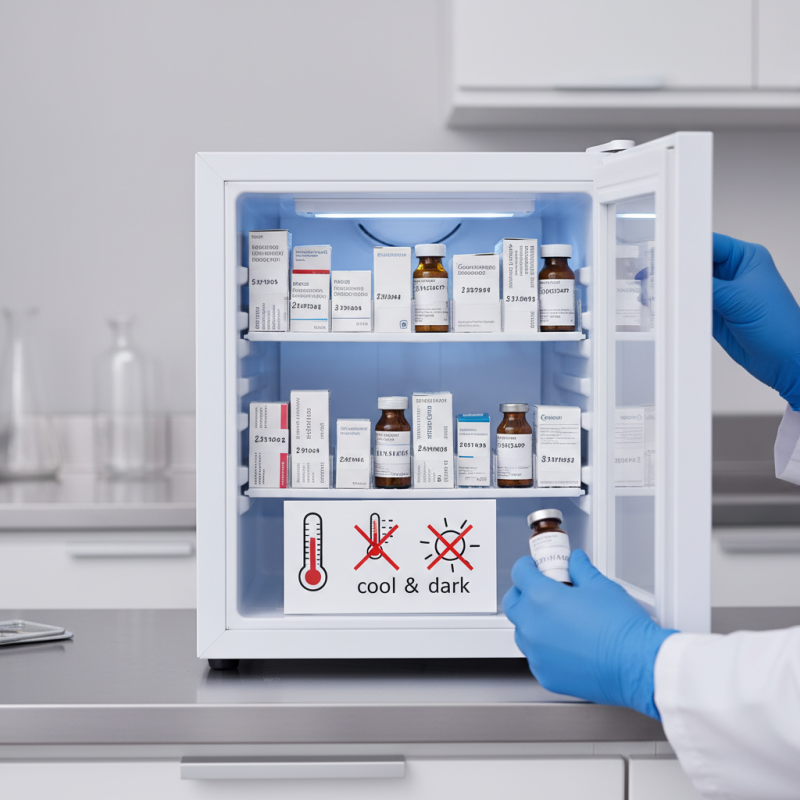
Proper storage of veterinary antibiotic injections is crucial for maintaining their effectiveness and ensuring animal health. Antibiotics are sensitive to temperature and light. They should be stored in a cool, dark place to prevent degradation. A refrigerator is often the ideal environment, but it must be monitored regularly. Fluctuations in temperature can compromise the integrity of these medications.
Another important factor is humidity. High humidity can lead to the deterioration of antibiotic solutions, making them less effective. Ensure that storage areas are well-ventilated and dry. It is also essential to check expiration dates. Using expired antibiotics can have dire consequences for animal health. Inadequate storage can lead to waste and potential harm.
Educating staff about the importance of proper storage is vital. Misunderstandings can lead to expensive errors. Keeping clear labels on each container can help avoid confusion. Regular training sessions on storage practices are necessary. Reflecting on storage practices can lead to improved methods that prioritize animal welfare. Continuous improvement ensures that these critical medications remain effective for those who need them.
Storing veterinary antibiotics requires careful attention to temperature. The recommended temperature range typically falls between 2°C to 8°C (36°F to 46°F). This range helps maintain the efficacy of the medication, ensuring it works effectively when needed. Exceeding this temperature can lead to reduced potency or even degradation.
Using a refrigerator for storage is common, but not all refrigerators maintain consistent temperatures. It’s crucial to monitor these temperatures regularly. Digital thermometers with alarms can help in alerting you of deviations. If the temperature rises above the recommended range, assess the antibiotics. Some may be salvageable if returned to proper conditions quickly, while others might be compromised.
Storing antibiotics properly is vital, yet monitoring every detail can feel overwhelming. The importance of consistent checks cannot be overstated. Consider developing a routine that includes weekly inspections. Reflect on these practices, as many overlook basic storage mistakes. These reflections may lead to better management and the safety of veterinary care.
When organizing antibiotic storage areas in veterinary settings, safety and efficiency are key. Proper labeling is essential. Each antibiotic should display its name, dosage, and expiration date clearly. This prevents mix-ups and ensures that medications are used effectively. A study by the American Veterinary Medical Association highlights that clear labeling can reduce medication errors by 30%.
Temperature control is another critical factor. Most antibiotics require specific storage conditions to maintain their efficacy. Keeping the storage area between 2°C to 8°C is standard for many veterinary antibiotics. Regular checks of the temperature can prevent degradation of the medication. Data from the World Organization for Animal Health indicates that improper storage can lead to a 15% loss in potency.
Space management also plays a vital role. Organizing antibiotics by type or usage frequency can improve workflow. For instance, antibiotics frequently used for specific conditions should be easily accessible. Regularly auditing the storage area helps identify expired products, which can lead to delays in treatment. Reflecting on these practices can foster a culture of safety and accountability in veterinary care.
Storing veterinary antibiotic injections requires careful attention. Many mistakes occur in common storage practices. It’s easy to overlook the proper temperature, for instance. Keeping antibiotics too warm can reduce their effectiveness. They should be stored at a consistent, controlled temperature between 36°F and 46°F.
Organizing storage areas is key. Cluttered spaces can lead to confusion, resulting in incorrect usage. Label all antibiotic vials clearly. This reduces the chance of using an expired product. Check the expiration dates regularly. It’s essential to discard any outdated medications.
Avoid storing antibiotics in areas exposed to direct sunlight. Light can degrade the chemical properties of medications. A dark, cool space is ideal. Always use the original packaging if possible, as it provides important protection. Evaluate your storage habits periodically. Reflecting on your practices ensures continued safety for both animals and staff.
| Tip Number | Storage Tip | Common Mistake to Avoid | Recommended Action |
|---|---|---|---|
| 1 | Store at Recommended Temperature | Storing in Too Warm Conditions | Use a thermometer to monitor temperature |
| 2 | Keep Away from Direct Sunlight | Storing in Brightly Lit Areas | Use opaque or dark storage containers |
| 3 | Seal Containers Properly | Leaving Bottles Open | Ensure caps are tightly secured |
| 4 | Check Expiration Dates Regularly | Using Expired Medications | Implement a routine check schedule |
| 5 | Label Containers Clearly | Using Unlabeled Items | Include names, dosages, and expiration dates |
| 6 | Store Away from Children and Pets | Accessible Storage Locations | Use locked storage cabinets |
| 7 | Avoid Freezing Antibiotics | Storing in Freezer | Check storage instructions carefully |
| 8 | Rotate Stock | Using Old Stock First | Implement FIFO (First In, First Out) method |
| 9 | Monitor Humidity Levels | Storing in High Humidity Areas | Use a dehumidifier if necessary |
| 10 | Regularly Review Storage Policies | Outdated Procedures | Update and inform staff on new policies |
Regular review and inventory of stored antibiotics is crucial in veterinary practices. Research indicates that improper storage can lead to decreased efficacy. The World Organisation for Animal Health (OIE) emphasizes the need for systematic inventory checks. A regular inspection can help avoid expired products on the shelves.
Documentation of each antibiotic's storage conditions is essential. Many facilities overlook this aspect, leading to potential safety issues. According to industry studies, nearly 25% of veterinary practices do not maintain accurate records of their drug inventories. This gap creates risks for both animal health and legal compliance.
Implementing a review schedule can help maintain accountability. Assigning specific staff members to monitor expiry dates enhances focus. Educating employees on storage requirements is vital. Some clinics still fail to comply due to outdated training programs or lack of resources. Engaging the entire team in this process fosters a safety-first culture. Regular audits may reveal underlying issues that need addressing.
: Proper storage maintains effectiveness and ensures animal health. Inadequate storage can waste medications.
A cool, dark place is ideal. A refrigerator can be suitable but requires regular monitoring.
Antibiotics are sensitive to temperature changes. Fluctuations can compromise their effectiveness and integrity.
High humidity can deteriorate antibiotic solutions. Keep storage areas ventilated and dry to prevent issues.
Expiration dates should be checked regularly. Using expired antibiotics can harm animal health significantly.
Staff education prevents misunderstandings. Misunderstandings can lead to costly medication errors.
Clear labels should display the antibiotic name, dosage, and expiration date. This helps avoid mix-ups.
Regular audits help identify expired products. This prevents delays in treatment and improves safety.
The standard storage temperature range is between 2°C to 8°C. Regular checks ensure medications remain effective.
Organizing by type or usage frequency makes critical medications easier to access. It supports efficient care delivery.
Proper storage of veterinary antibiotic injections is crucial to maintain their potency and efficacy. To ensure effective treatment outcomes, it is essential to understand the recommended temperature ranges for storing these medications, typically between 2°C and 8°C. Organizing storage areas efficiently helps prevent mix-ups and ensures that antibiotics can be accessed quickly when needed.
Additionally, identifying and avoiding common storage mistakes, such as exposing antibiotics to extreme temperatures or direct sunlight, is vital. Regular review and inventory of stored antibiotics will help track expiration dates and maintain an optimal stock. By following these guidelines on how to store veterinary antibiotic injections to maintain potency, veterinarians can safeguard the quality of these essential medications.
