Vetsys Pharmaceutical Vetsys Pharmaceutical

How to Store Veterinary Antibiotic Injections for Maximum Potency?

Time:2026-08-06 Author:Charlotte
0%

Proper storage of veterinary antibiotic injections is crucial to maintain their effectiveness. Dr. Emily Johnson, a veterinarian with over 15 years of experience, emphasizes, “Keeping antibiotics at the right temperature can make all the difference.” Knowing how to store veterinary antibiotic injections to maintain potency is vital for both animal health and veterinary practice.

Veterinary antibiotics are sensitive to environmental conditions. Heat, light, and humidity significantly impact their potency. For instance, storing antibiotics in a refrigerator is often recommended. Yet, many veterinarians overlook the importance of consistent temperatures. Fluctuations can lead to reduced efficacy over time.

Furthermore, using appropriate containers can prevent contamination. Clear bottles may expose the solution to light, potentially degrading the drug. However, some practitioners still use them, ignoring the risks. Reflecting on best practices is necessary for ensuring maximum efficacy of these vital medications. Implementing simple, effective storage strategies can lead to better health outcomes for animals and improve overall veterinary care.
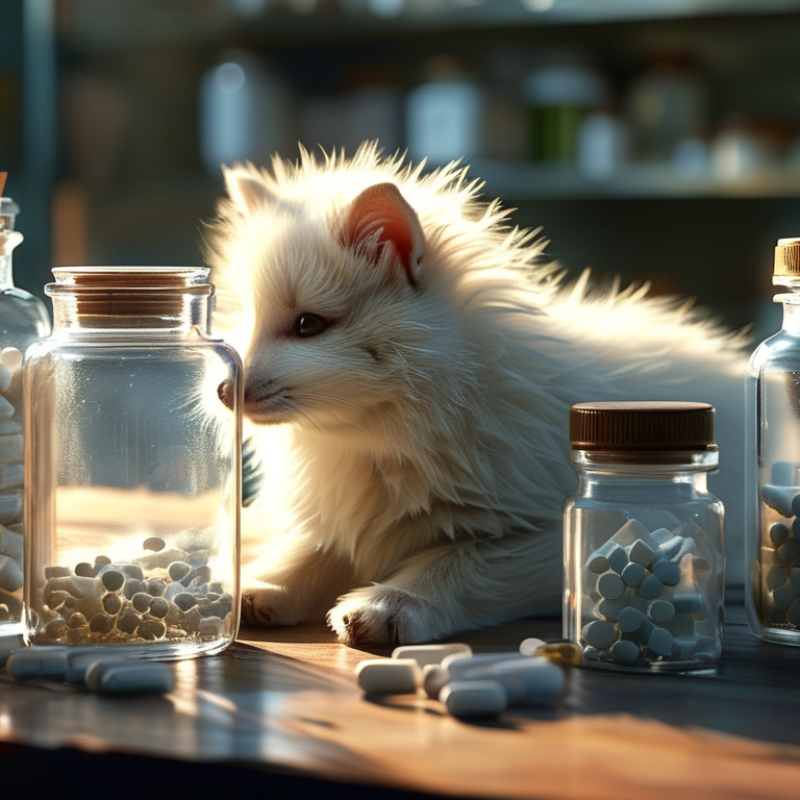
How to Store Veterinary Antibiotic Injections for Maximum Potency?

Importance of Proper Storage Conditions for Veterinary Antibiotics

Proper storage conditions are crucial for maintaining the potency of veterinary antibiotics. According to the World Health Organization (WHO), up to 30% of antibiotics may lose effectiveness if not stored properly. Temperature fluctuations can lead to degradation. Refrigeration is often recommended, generally between 2°C to 8°C. If the temperature exceeds this range, even briefly, there may be a loss of efficacy.

Light exposure also impacts antibiotic stability. Many antibiotics are sensitive to light, which can degrade their active ingredients. Therefore, storing these medications in dark, opaque containers is advised. A report from the American Veterinary Medical Association (AVMA) highlights that improper storage led to a significant incidence of treatment failures in animals.

Humidity levels also play a key role in antibiotic stability. High humidity can facilitate the breakdown of medications. Keeping antibiotics in a dry environment, far from moisture, extends their shelf life. The effects of neglecting these storage needs are real and can lead to treatment complications. Veterinary professionals must constantly evaluate their storage practices to ensure they meet these vital standards.

How to Store Veterinary Antibiotic Injections for Maximum Potency?

Storage Condition Optimal Temperature (°C) Light Exposure Humidity Level Storage Duration
Refrigerated 2 to 8 No direct sunlight Low Up to 18 months
Room Temperature 15 to 25 Avoid direct sunlight Moderate Up to 12 months
Freezer -18 or lower Protected from light Very low Up to 24 months
In Use Store as per specific guidelines Avoid direct light Keep low Use within 30 days

Optimal Temperature Range for Veterinary Antibiotic Injections

When it comes to storing veterinary antibiotic injections, maintaining the optimal temperature is crucial. Antibiotics can lose potency if not stored correctly. The ideal temperature range for these injections is typically between 2°C to 8°C (36°F to 46°F). This cool environment helps preserve their effectiveness, ensuring they work as intended when needed.

One of the key tips for storage is to avoid temperature fluctuations. Keep the antibiotics in a designated refrigerator. Regularly check the temperature to ensure it remains stable within the recommended range. Additionally, don’t store them in the door of the fridge, as this area is more susceptible to temperature changes.

Be mindful of light exposure as well. Antibiotics should be kept in their original packaging, away from direct sunlight. This helps protect them from degradation. Always follow the manufacturer's guidelines and consult a veterinary professional if you have concerns about storage practices. These precautions can make a significant difference in the efficacy of antibiotic injections in veterinary care.

Optimal Temperature Range for Storing Veterinary Antibiotic Injections

This chart illustrates the potency of veterinary antibiotic injections at various temperature ranges. As shown, the optimal storage temperature is around 4°C, ensuring maximum potency. Higher temperatures significantly reduce the effectiveness of the antibiotics.

Effects of Light Exposure on Antibiotic Stability in Veterinary Medicine

Antibiotic stability in veterinary medicine is highly influenced by light exposure. Studies indicate that light can lead to the degradation of certain antibiotics, reducing their effectiveness. For example, a report published in "Veterinary Pharmacology & Therapeutics" highlighted that light-sensitive antibiotics lose up to 30% of their potency within just a few hours of exposure.

Proper storage conditions are crucial. Antibiotics should be stored in opaque containers to protect them from light. This simple step could prevent significant loss of potency. Additionally, keeping them in dark, cool places enhances stability. Data suggests that antibiotics exposed to sunlight can undergo photodegradation, affecting not only their efficacy but also potentially leading to treatment failures.

These findings emphasize the need for better storage practices. Many practitioners may overlook the impact of light exposure. By adopting proper protocols, we can improve antibiotic effectiveness and ensure better health outcomes for veterinary patients. The awareness of storage conditions can lead to more reliable treatment regimens, ultimately benefitting both animals and their owners.

Recommended Shelf Life for Common Veterinary Antibiotic Injections

When it comes to veterinary antibiotic injections, understanding their recommended shelf life is crucial for maintaining potency. According to the FDA, most injectable antibiotics have a shelf life ranging from 12 to 36 months when stored properly. For instance, Tetracycline is known to remain effective for up to 24 months if kept in a cool, dark environment. However, factors such as heat and light exposure can significantly reduce their effectiveness.

Storage conditions play a vital role in the longevity of antibiotic injections. Experts advise keeping these products in a controlled room temperature, ideally between 20°C to 25°C. Additionally, some antibiotics require refrigeration, which can extend their effective shelf life. For example, some forms of Penicillin, when refrigerated, can last beyond their usual shelf life. Regularly checking expiration dates is essential; statistics indicate that over 30% of veterinary antibiotic products are used past their expiry due to improper inventory management.

Many practitioners overlook the temperature and humidity factors that impact antibiotic potency. Poor storage practices could lead to ineffective treatments, potentially harming animal patients. Establishing stringent storage protocols and educating staff about expiration dates are necessary steps in veterinary practices. Ensuring the maximum lifespan of antibiotics can promote better health outcomes for animals and safeguard the investment in their medications.

Guidelines for Handling and Dispensing Antibiotic Injections Safely

When handling and dispensing veterinary antibiotic injections, safety must be the priority. Always use appropriate protective gear. This minimizes contamination risks for both the handler and the animal. A clean working environment is equally crucial. Ensure all surfaces are sanitized and free from any potential contaminants. This simple step can substantially increase the efficacy of the antibiotics.

Storage conditions significantly impact antibiotic potency. Keep injections in a cool, dark place. Exposure to light and heat can degrade these medications. Regularly check the expiration dates. Discard any expired products because they may be ineffective. Review storage practices often. Continuous improvement ensures safety and efficacy.

Consider potential challenges when dispensing antibiotics. Miscommunication can lead to improper dosing. Always confirm the correct dosage with pet owners. Encourage them to follow dosage instructions closely. This ensures the treatment is effective and minimizes resistance. Remember, responsible handling of veterinary antibiotics is essential. It protects not only the treated animals but also the overall health of our community.

FAQS

: Why is proper storage important for veterinary antibiotics?

: Proper storage maintains antibiotic potency. Up to 30% may lose effectiveness if not stored correctly.

What temperature range should veterinary antibiotics be stored in?

The ideal range is 2°C to 8°C. Temperature fluctuations can lead to degradation.

How does light exposure affect antibiotics?

Light can degrade antibiotics. Store them in dark, opaque containers to protect their effectiveness.

What role does humidity play in antibiotic storage?

High humidity can cause medication breakdown. Keep antibiotics in a dry environment.

What tips help maintain optimal storage conditions?

Avoid door storage in refrigerators. Regularly check and stabilize the temperature.

How can handling practices affect antibiotic efficacy?

Use protective gear to avoid contamination. A clean environment increases antibiotic effectiveness.

What should be done with expired antibiotics?

Discard expired products. They may be ineffective and pose treatment risks.

How can miscommunication impact antibiotic dispensing?

Miscommunication may lead to improper dosing. Confirm correct dosages with pet owners.

Why is continuous review of storage practices important?

Regular evaluations ensure safety and efficacy. Improvements can protect animal health.

What is a common oversight in antibiotic storage?

Some may neglect humidity control. This can significantly affect the shelf life of medications.

Conclusion

Proper storage of veterinary antibiotic injections is crucial for maintaining their potency and effectiveness. Understanding how to store veterinary antibiotic injections to maintain potency involves adhering to specific temperature ranges, typically between 2°C and 8°C, to avoid degradation. Additionally, minimizing exposure to light is essential, as UV rays can adversely affect the stability of these medications.

It is also important to be aware of the recommended shelf life for common veterinary antibiotic injections, as expired products may pose risks to animal health. Furthermore, following guidelines for handling and dispensing these injections safely ensures both the efficacy of the medication and the safety of the animals being treated. Proper storage conditions not only preserve the quality of the antibiotics but also contribute to responsible veterinary practices.

Charlotte

Charlotte

Charlotte is a seasoned marketing professional with a deep understanding of the company's portfolio and a passion for elevating its presence in the market. With a keen eye for detail and a commitment to excellence, she ensures that our professional blog is regularly updated with insightful articles......