Vetsys Pharmaceutical Vetsys Pharmaceutical

Signs of Mineral Deficiency in Dairy Cattle What to Look For?

Time:2026-05-19 Author:Sienna
0%

Signs of mineral deficiency in dairy cattle can have significant impacts on herd health and productivity. According to Dr. Jane Smith, a leading expert in dairy nutrition, “Recognizing mineral deficiencies early is crucial for maintaining optimal cattle health.” What are the signs of mineral deficiency in dairy cattle? This question is essential for farmers aiming to improve herd management.

Dairy cattle experiencing mineral deficiencies may exhibit several alarming symptoms. For instance, poor coat condition, reduced milk production, and lethargy often signal a nutrient imbalance. Observing behavioral changes can be equally revealing. Cows that isolate themselves or display signs of discomfort might indicate underlying issues. These signs can be subtle, requiring attentive monitoring from farm managers.

Inadequate mineral intake can stem from various factors, including feed quality and environmental conditions. This underscores the need for a reliable nutrition program tailored to the herd’s specific needs. Farmers must regularly assess their cattle's health to catch these deficiencies early. Ignoring these signs could lead to severe consequences. Regular veterinary check-ups and nutritional audits are advisable for a healthy dairy operation.
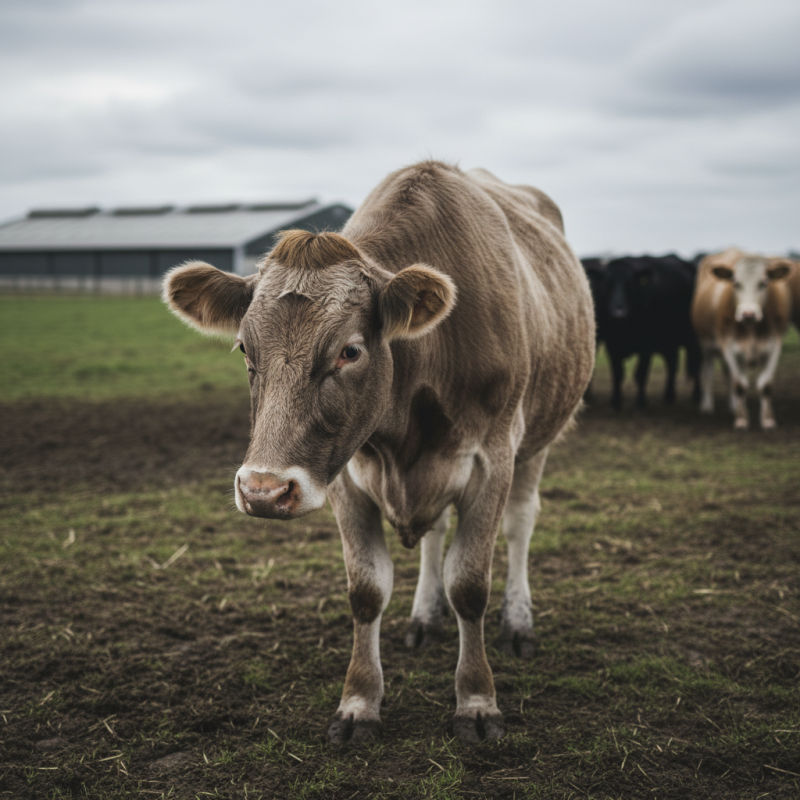
Signs of Mineral Deficiency in Dairy Cattle What to Look For?

Signs of Mineral Deficiency in Dairy Cattle: An Overview

Dairy cattle are essential for milk production, yet mineral deficiencies can compromise their health and productivity. A recent study indicates that over 30% of dairy herds in some regions face mineral deficiencies. Common signs include poor coat condition and reduced milk yield.

Copper deficiency can lead to anemia and poor growth rates. Cattle may show signs of weak bones and decreased reproduction rates. Magnesium deficiency is linked to grass tetany, a serious condition that can cause sudden deaths in lactating cows. Research shows that herds with magnesium deficiency have up to 50% higher rates of calving difficulties.

Monitoring mineral intake is vital. Regular testing of forage and grain can help identify deficiencies. Farmers should consider providing mineral supplements tailored to their herd's specific needs. An integrated approach often reveals hidden issues. Understanding these deficiencies ensures healthier herds and more consistent milk production.

Key Minerals Essential for Dairy Cattle Health and Production

Dairy cattle thrive when they receive essential minerals. Key minerals, such as calcium, phosphorus, magnesium, and selenium, play crucial roles in their health and productivity. Calcium is vital for milk production and bone health. Phosphorus supports energy metabolism and helps in reproduction. Magnesium aids in enzyme function, while selenium is important for immune response.

Mineral deficiencies can severely impact a herd. For instance, low calcium can lead to milk fever. Meanwhile, low selenium can increase susceptibility to disease. Look for signs such as poor coat condition, reduced milk yield, or behavioral changes. These indicators can guide farmers to address mineral imbalances.

Tips: Provide mineral supplements regularly to avoid deficiencies. Monitor your cattle's health closely, and consult a veterinarian for tailored mineral programs. Testing the feed regularly ensures that the cattle receive adequate nutrients. Regular health checks can catch any issues early and promote a healthier herd.

Common Symptoms of Mineral Deficiencies in Dairy Cattle

Mineral deficiencies in dairy cattle can lead to significant health issues. Observing the signs is essential for early intervention. Cattle may show behaviors like reduced activity. Affected animals might lag behind the herd during grazing. Loss of appetite is another key symptom. You could see them rejecting their feed or lingering in the trough.

Additionally, physical symptoms are also common. Cattle may exhibit poor coat condition. Expect to see dull or rough fur if a deficiency is present. Some may develop uneven hoof growth. Look for signs of lameness, which can indicate underlying mineral imbalances. Reproductive issues can arise as well, including irregular heat cycles or prolonged calving intervals.

Paying close attention to these signs is crucial. Some symptoms might be subtle at first. Yet, if ignored, they can escalate into severe health problems. It’s important to assess mineral intake regularly. This means evaluating both diet and environment. Consider consulting with a veterinarian for expert advice. Recognizing these signs early can make a significant difference in the overall health of your herd.

Impact of Mineral Deficiencies on Milk Production and Quality

Mineral deficiencies can significantly impact milk production and quality in dairy cattle. When a cow lacks essential minerals, it affects her overall health and productivity. For example, calcium deficiency may lead to reduced milk yield and poor bone health. A cow that doesn’t get enough magnesium might experience stress or even milk fever, showing how vital minerals are for her well-being.

Moreover, the quality of milk can suffer due to these deficiencies. Cows with inadequate selenium may produce milk with lower antioxidant levels. This could mean that the milk is less nutritious for consumers. It's alarming how mineral shortages can lead to increased somatic cell counts, indicating potential health issues in the cow. Observing cows closely can reveal subtle signs of stress or discomfort, which may go unnoticed.

Taking proactive measures to maintain their mineral intake is critical for dairy farmers seeking both quantity and quality in production.

Strategies for Preventing Mineral Deficiencies in Dairy Herds

Mineral deficiencies in dairy cattle can significantly impact overall herd health and productivity. To mitigate these risks, proactive strategies are essential. Regular mineral analysis of feed and forage can help identify deficiencies. A study from the National Dairy Farm Association suggests that 70% of dairy herds face at least one mineral deficiency at any given time. Testing allows for tailored supplementation plans, ensuring that cattle receive the minerals they need.

Implementing a structured mineral program can greatly reduce deficiencies. Research shows that farms with comprehensive mineral management see a 15-25% increase in milk production. It’s crucial to balance macro and trace minerals. For example, calcium and phosphorus deficiencies can lead to milk fever and weakened bones, while copper and selenium deficits may affect reproductive performance. Farmers often overlook trace minerals, yet their roles are vital for cellular functions and immune health.

Monitoring animal behavior and performance is equally important. Signs like decreased appetite, poor coat condition, and slow growth can indicate deficiencies. Keeping detailed records can help in identifying patterns and results over time. However, despite best efforts, some farms still struggle. Continuous education on mineral nutrition is essential for all herd managers to ensure a productive and healthy dairy operation.

Signs of Mineral Deficiency in Dairy Cattle

This chart illustrates the common signs of mineral deficiency in dairy cattle, highlighting the prevalence of different deficiencies in a typical herd. It demonstrates the importance of monitoring and managing mineral levels to maintain herd health.

FAQS

: What are common signs of mineral deficiencies in dairy cattle?

: Cattle may show reduced activity, lagging behind the herd while grazing.

How can a loss of appetite manifest in dairy cattle?

Cattle might reject their feed or linger near the trough without eating.

What physical symptoms indicate potential mineral deficiencies?

Look for dull fur, rough coat condition, and uneven hoof growth.

What reproductive issues can arise from mineral deficiencies?

Irregular heat cycles and prolonged calving intervals may occur.

How can farmers proactively prevent mineral deficiencies?

Regular mineral analysis of feed can help identify potential deficiencies.

What impact does a structured mineral program have on dairy herds?

It can lead to a 15-25% increase in milk production when implemented well.

Why are trace minerals important for dairy cattle?

They support cellular functions and immune health, yet are often overlooked.

How important is monitoring animal behavior for detecting deficiencies?

Changes like poor coat condition and slow growth may signal nutrient issues.

What role does continuous education play for herd managers?

It is essential for understanding mineral nutrition and maintaining herd health.

Can subtle symptoms escalate into severe health problems?

Yes, ignoring initial signs can lead to significant health issues later.

Conclusion

Mineral deficiencies in dairy cattle can significantly affect their health and productivity, making it vital for farmers to recognize what are the signs of mineral deficiency in dairy cattle. Key minerals essential for dairy cattle include calcium, phosphorus, magnesium, and trace minerals like zinc and selenium. Symptoms of deficiencies may manifest as reduced milk production, poor growth, weakened immune response, and abnormal behavioral changes.

The impact of these deficiencies extends beyond animal health; it can adversely affect milk quality and yield, ultimately influencing the economic viability of dairy operations. To combat these issues, implementing effective strategies for mineral supplementation and monitoring herd nutrition is crucial. Regular assessments of cattle health, as well as proper mineral management practices, can help in preventing deficiencies and ensuring optimal dairy production.

Sienna

Sienna

Sienna is a skilled marketing professional with a deep expertise in our company’s core products and services. With a passion for innovation and detail, she plays a pivotal role in crafting insightful blog posts that not only highlight the unique features of our offerings but also provide valuable......