Vetsys Pharmaceutical
Heat stress is a significant concern in poultry production. It impacts growth, egg production, and overall health. Effective strategies are necessary to mitigate these effects. Dr. John Smith, a leading poultry nutritionist, emphasizes the importance of hydration: "Electrolyte supplements can be a game-changer during heat stress."
Understanding how to reduce heat stress in poultry with electrolyte supplements can enhance bird resilience. Electrolytes help maintain fluid balance, especially in hot environments. Birds lose essential minerals through sweat and require replenishment.
Incorporating electrolyte supplements can be a preventative measure. The right formulation can make a noticeable difference. However, not all products are equal; quality matters. While some farms report improvements, others need to evaluate their strategies. Birds’ requirements vary by breed and environment. It's crucial to adapt and test different approaches for the best results.
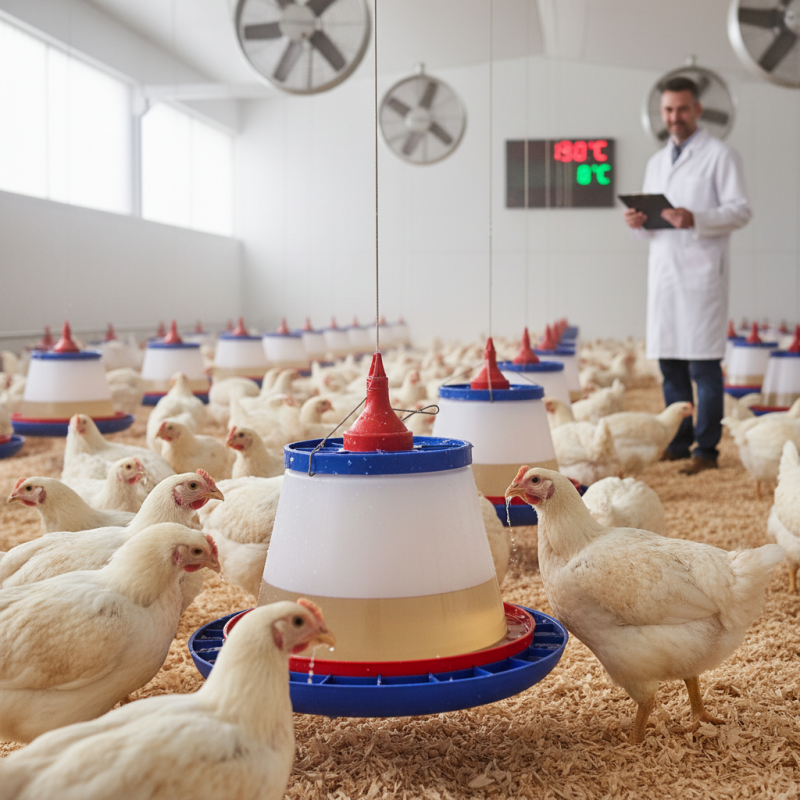
Heat stress in poultry is a significant concern for farmers. High temperatures can cause a decline in productivity and affect the overall health of birds. Understanding the causes of heat stress is crucial. It often results from elevated temperatures and humidity levels. This creates an uncomfortable environment that impacts feeding and growth.
Factors like breed, age, and overall health influence how severely poultry will experience heat stress. Birds may show signs of distress, including panting or reduced activity. Effective management is essential to minimize these effects.
Tips: Provide adequate shade and ventilation. This can help lower temperatures around the flock. Regular monitoring of temperature and humidity levels is vital. Ensure that birds have constant access to clean drinking water—hydration plays a key role in preventing heat stress.
Additionally, consider using electrolyte supplements during high temperatures. These can aid in restoring lost minerals and keeping the birds' body functions stable. Adjusting feeding times to cooler parts of the day can also improve feed intake and overall well-being. Being proactive about these factors can significantly enhance poultry health during heat stress conditions.
| Parameter | Normal Levels | Effects of Heat Stress | Electrolyte Supplementation Benefits |
|---|---|---|---|
| Temperature (°C) | 18-24 | Decreased feed intake, lowered egg production | Improves hydration and electrolyte balance |
| Humidity (%) | 40-60 | Increased mortality risk, poor feathering | Reduces respiratory stress, supports thermoregulation |
| Sodium (mEq/L) | 130-150 | Muscle cramps, reduced growth rates | Restores sodium levels, enhances performance |
| Potassium (mEq/L) | 4-5 | Weakness, lethargy | Supports muscle function, improves egg quality |
| Calcium (%) | 3.5-4.5 | Egg shell quality deterioration, Rickets | Improves eggshell strength, reduces mortality |
Electrolytes play a crucial role in maintaining poultry health, especially during heat stress. Research indicates that heat stress can decrease feed intake by up to 30%, leading to nutrient deficiencies. This reduction in feed intake can disrupt the electrolyte balance in birds, affecting their overall well-being. Important electrolytes include sodium, potassium, and chloride. They help regulate fluid balance, muscle function, and nerve transmission.
During hot weather, poultry may lose excessive amounts of these electrolytes through sweat and panting. A study published by the University of Arkansas noted that birds raised in high temperatures showed a significant decrease in serum sodium levels. This decrease correlates with poor growth rates and increased mortality. Supplementing with electrolytes can help restore this balance. Providing electrolyte solutions in drinking water may enhance hydration levels, leading to improved health outcomes.
In some cases, however, farmers may not fully understand the correct electrolyte ratios needed for their flocks. Miscalculating these amounts can lead to further imbalances, complicating recovery. Monitoring the birds’ behavior and health status is essential. Adjustments should be made based on individual flock needs. Some producers overlook these details, risking the effectiveness of their interventions during critical heat stress periods.
This chart illustrates the positive impact of electrolyte supplementation on poultry health during periods of heat stress. Data is collected from studies assessing weight gain and mortality rate in poultry under heat stress with varying levels of electrolyte supplementation.
Heat stress in poultry can significantly impact growth and production. Different poultry species have unique electrolyte needs that change based on environmental conditions. For instance, broilers often face acute stress, particularly in hot months. Research indicates that a balanced electrolyte composition can alleviate some of these effects, promoting better health and performance.
For chickens, a typical electrolyte mix could include sodium, potassium, and chloride. Studies show that providing 0.2% sodium and 0.1% potassium in their diet helps maintain fluid balance during heat stress. This combination is particularly effective due to their high metabolic rates. Ducks, on the other hand, require a different approach. Their electrolyte needs are greater due to their unique physiology. Adding additional magnesium can improve their heat resistance.
Formulating the right electrolyte supplement is complex. Excessive sodium can lead to toxicity, while insufficient potassium may cause weakness. Poultry producers must closely monitor their flocks' responses to dietary adjustments. Regular assessments and field trials can guide the optimization of electrolyte mixes, ensuring they meet the specific demands of each poultry species.
Electrolyte supplements play a key role in maintaining poultry health, especially during heat stress. The heat can lead to dehydration, reducing overall productivity. Therefore, managers should carefully consider the application methods of these supplements to maximize their benefits.
One effective method is through drinking water. This allows the birds to consume electrolytes along with their primary hydration source. It is important to ensure that the water is clean and fresh to encourage intake. Another approach is incorporating electrolytes into feed. This method can be especially useful for birds hesitant to drink during high temperatures. Monitoring the birds' response to these methods is crucial. Some may show preferences, while others might not respond as well.
Routine assessments of poultry health are essential. Keep an eye on weight, behavior, and egg production. Adjustments in the application methods may be necessary based on these observations. It’s a challenging balancing act, as not all birds react the same way to electrolytes. Understanding these nuances can lead to better overall management practices.
Electrolyte supplementation plays a vital role in poultry health, especially during peak heat stress periods. Monitoring the effects of these supplements can significantly improve overall flock well-being. You need to track water intake and behavior changes in birds closely. Noticing shifts in drinking patterns is a crucial indicator of how well they adapt.
Evaluating the performance metrics, such as weight gain and egg production, provides insights. Regular documentation can help identify trends over time. You might notice that birds receiving adequate electrolytes show improved resilience against heat-related stress. However, not all flocks will respond the same way. Adjust your supplementation methods based on observed outcomes.
Tips for effective monitoring include providing consistent access to fresh water and maintaining a cool environment. Observe your birds frequently for any signs of distress or lethargy. Such behavioral cues can be telling. Additionally, consider using simple charts to track daily water consumption and production rates. This can aid in assessing the effectiveness of your electrolyte strategy.
: Electrolytes maintain fluid balance, muscle function, and nerve transmission, crucial during heat stress.
Heat stress can decrease feed intake by up to 30%, leading to nutrient deficiencies and health issues.
Sodium, potassium, and chloride are vital for overall bird well-being, especially in hot weather.
Birds lose electrolytes through sweating and panting, which can lead to imbalances in their bodies.
Incorrect ratios can cause further health imbalances, complicating recovery during heat stress.
They can be added to drinking water or feed, which helps improve hydration and nutrition.
Watching health and behavior helps tailor electrolyte application methods to individual flock needs.
Farmers often overlook precise electrolyte needs, risking their birds' health during critical periods.
Clean water, individual bird preferences, and routine health assessments are vital for effectiveness.
Regularly check weight, behavior, and egg production for signs of health and response to electrolytes.
Heat stress in poultry is a significant concern, impacting their health and productivity. To mitigate this issue, it is essential to understand the causes and effects of heat stress on birds. Electrolyte supplementation plays a crucial role in maintaining poultry health during these stressful conditions. Different poultry species may require specific electrolyte compositions to effectively restore their balance and enhance their resilience against heat.
To implement electrolyte supplements effectively, it is important to select appropriate application methods tailored to poultry management practices. Furthermore, monitoring and evaluating the effects of these supplements can help in assessing their impact on reducing heat stress. Overall, knowing how to reduce heat stress in poultry with electrolyte supplements can lead to improved welfare and productivity in poultry operations.
