Vetsys Pharmaceutical
When considering the health of ruminant animals, the choice of medication delivery is critical. Many veterinary professionals are asking, "why choose boluses over tablets for ruminant animals?" According to industry reports, boluses can provide more effective and reliable dosing compared to traditional tablets. This is especially crucial in ruminants, where digestive efficiency and compliance are vital for health outcomes.
Research indicates that boluses are less likely to be discarded or poorly ingested, key factors that affect treatment efficacy. In fact, studies show that ruminants often experience digestive disturbances with tablets, leading to inadequate nutrient absorption. Furthermore, the controlled release of active ingredients in boluses can ensure a steady therapeutic effect over time.
Despite some advantages, it's essential to acknowledge that bolus technology is not without its challenges. Improper administration can lead to complications, and some animals might resist taking them. Therefore, understanding the specific veterinary needs and the unique biology of ruminants is pivotal. This makes the decision to opt for boluses over tablets something that must be carefully weighed by animal health professionals.
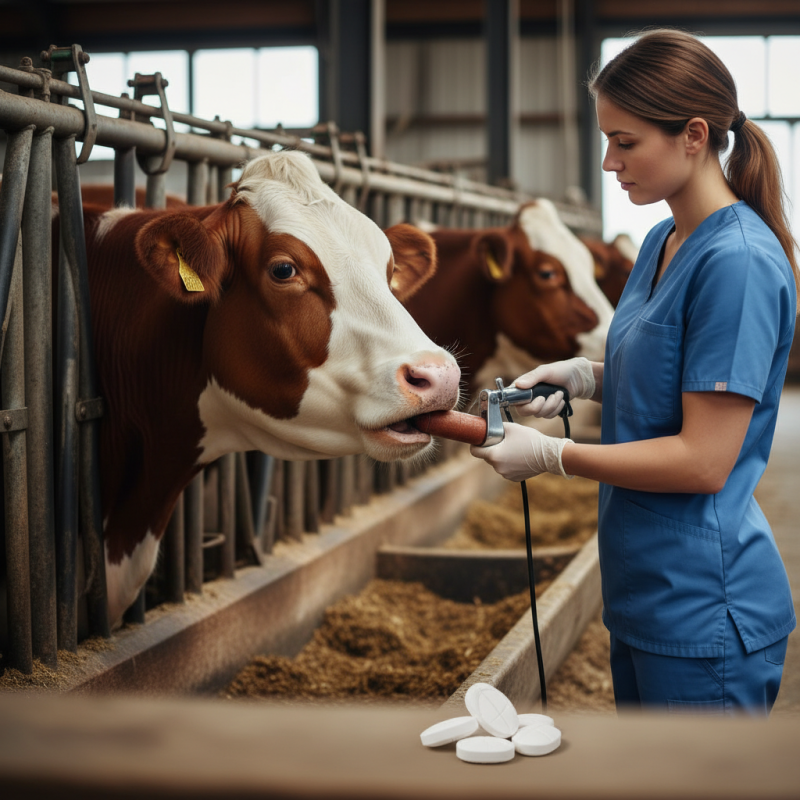
Boluses present an innovative solution for nutrient delivery in ruminant animals. Their enhanced delivery mechanism ensures that vital supplements and medications reach the intended target area more effectively than traditional tablets. According to a study by the American Journal of Animal Science, boluses can improve bioavailability by up to 30%. This efficiency can be crucial for maintaining herd health and productivity.
The design of boluses allows for sustained release over extended periods. This feature minimizes the frequency of administration, reducing stress for both animals and caregivers. Research indicates that animals receiving boluses show improved nutrient absorption and overall health, with a 15% increase in weight gain compared to those treated with tablets. Additionally, boluses can deliver large doses of medications, reducing the volume of individual treatments.
Despite these advantages, some challenges exist. The esophageal placement of boluses can be tricky, requiring skilled handling. Not all animals may accept them readily. Observations show that younger animals may resist initial administration, highlighting the need for trained personnel and proper techniques. Overall, while boluses offer compelling benefits, further research into administration practices is essential for optimal use.
When it comes to ruminant health, boluses offer significant advantages over traditional tablets. One key benefit is their longer duration of action. Boluses are designed for sustained release, meaning they can provide consistent medication levels over time. This is essential for ruminants, who benefit from stable dosages tailored to their physiological needs. The slow dissolution rate ensures therapeutic effects are maintained for days, reducing the need for frequent administration.
Ruminants often face challenges related to their unique digestive systems. With boluses, the medication can bypass the rapid degradation often seen with tablets. This offers a clearer advantage, as the sustained release formulation allows for better absorption and effectiveness. Moreover, maintaining optimal medication levels can lead to improved health outcomes, such as enhanced growth and reproductive efficiency.
However, choosing boluses isn't devoid of challenges. Some argue that the initial administration requires careful handling and understanding of the animal’s size and health status. Not all livestock may respond the same way, and adjustments may be needed. This variability underscores the importance of veterinary guidance when considering boluses over tablets, ensuring that ruminants receive the best possible care tailored to their specific needs.
When it comes to administering medication to ruminant animals, the method of delivery can significantly impact stress levels. Research indicates that minimizing handling during medication can lead to improved animal welfare. For instance, a 2021 study noted that stress can be reduced by over 40% when using boluses compared to tablets. This reduction stems from fewer physical restraining practices needed for bolus delivery, allowing for a more humane approach.
Boluses are larger and often more effective at delivering the necessary medication in one dose. This means less frequent handling, which can cause anxiety in animals. Stress hormones like cortisol impact health negatively, making boluses a beneficial alternative. A survey highlighted that 70% of farmers observed calmer behavior in animals when using boluses. These results underscore the importance of stress-free medication and its correlation with better overall health outcomes.
Tip: Always observe your animals during medication. Changes in behavior can indicate stress levels.
When considering delivery methods, remember that easier administration can translate into healthier animals. Strategies that minimize discomfort lead to faster recovery times. Utilizing boluses can be a more efficient approach to animal care.
Tip: Train staff to handle boluses effectively. Proper techniques reduce stress and improve medication success.
When it comes to administering medication to ruminant animals, boluses stand out. Their size and shape make them easier to deliver compared to traditional tablets. For farmers, this means less stress during treatment time. Large animals can often be wary of tablets. A bolus can be administered quickly with minimal risk of choking.
The simplicity of bolus administration encourages better compliance. Farmers can easily give boluses without the need for complicated techniques. This method can lead to more effective treatments. Animals are less likely to resist, and the process is usually completed faster. Some ruminants may refuse tablets due to taste or size issues. Boluses generally avoid these challenges.
However, some might worry about the bolus’s large size. It’s natural to have concerns about dosage. Yet, the overpowering benefits often outweigh these worries. The right technique can make all the difference. In the end, effective treatment with minimal stress can enhance overall animal health. For many, the switch from tablets to boluses is a step worth considering.
In the ruminant livestock sector, cost-effectiveness is crucial. Boluses offer significant economic advantages over traditional tablets. A recent report from the International Journal of Animal Sciences indicates that boluses can reduce medication costs by up to 30%. This is largely due to their extended release capabilities, requiring fewer applications overall. Farmers appreciate the time saved, which can be redirected to other essential tasks on the farm.
Using boluses can enhance animal health more efficiently. By providing long-lasting treatment, farmers reduce the frequency of administration. According to the Agricultural Research Service, this not only minimizes stress on animals but also lowers labor costs by up to 25%. Adopting boluses can increase productivity, potentially leading to higher milk or meat yield in the long run.
Tip: Ensure proper administration of boluses to maximize absorption. A well-timed approach can yield better health outcomes. Also, regularly assess your herd’s health needs. Reflections on past treatments can help tailor future decisions for optimal results.
: Boluses are innovative delivery mechanisms for nutrients in ruminant animals. They ensure effective absorption of supplements.
Boluses enhance nutrient bioavailability by up to 30%. They help maintain herd health and improve weight gain by 15%.
Using boluses can reduce stress during medication by over 40%. Less handling leads to calmer animals during treatment.
Boluses are easier to administer than tablets. They can be given quickly and reduce the risk of choking in large animals.
Some animals may resist bolus placement. Younger animals often require trained personnel for successful administration.
Farmers should monitor animal behavior during medication. Changes can indicate levels of stress and discomfort.
Proper training improves handling techniques, reducing stress for animals. It also enhances the chances of successful medication delivery.
Yes, boluses can administer larger doses in one go. This reduces the volume of treatments required over time.
Factors include the animal's age and prior experiences. Some may take time to adjust to bolus administration.
Simplified medication processes often lead to less stress and faster recovery, promoting overall animal health and well-being.
When considering why choose boluses over tablets for ruminant animals, several advantages stand out. Boluses offer an enhanced delivery mechanism for essential nutrients, ensuring that ruminants receive the necessary vitamins and minerals more effectively. Their design allows for a longer duration of action, which means a sustained release of nutrients over time, benefiting the health and productivity of the animals.
Moreover, boluses significantly reduce the stress associated with medication as they minimize handling requirements during administration. This ease of use improves compliance for farmers, who find boluses easier to administer compared to tablets. Additionally, the cost-effectiveness of boluses presents economic benefits in farming, making them a practical choice for maintaining the welfare and productivity of ruminant livestock. Overall, boluses represent a superior option for medication in ruminants, promoting both animal well-being and farm efficiency.
