Vetsys Pharmaceutical Vetsys Pharmaceutical

What Is Heat Stress in Poultry How Electrolytes Help?

Time:2026-10-15 Author:Aria
0%

Heat stress in poultry begins when birds cannot release enough body heat. High temperatures, humidity, crowded houses, and poor airflow can quickly disrupt normal behavior. Birds may pant, spread their wings, drink heavily, and reduce feed intake. Egg production, shell quality, growth, and flock uniformity may then decline.

“Water is the most important nutrient for poultry,” emphasizes Dr. Peter R. Ferket, a respected poultry nutrition expert at North Carolina State University. His statement explains why water management must remain central during hot weather. Electrolytes can support this strategy by supplying minerals such as sodium, potassium, and chloride. These minerals help maintain fluid balance, nerve function, and acid-base stability while birds lose carbon dioxide through panting.

This guide examines how to reduce heat stress in poultry with electrolyte supplements. It focuses on practical decisions, not miracle claims. A properly mixed electrolyte solution may encourage drinking and support recovery during heat exposure. It cannot replace clean water, ventilation, shade, or lower stocking pressure. That distinction matters.

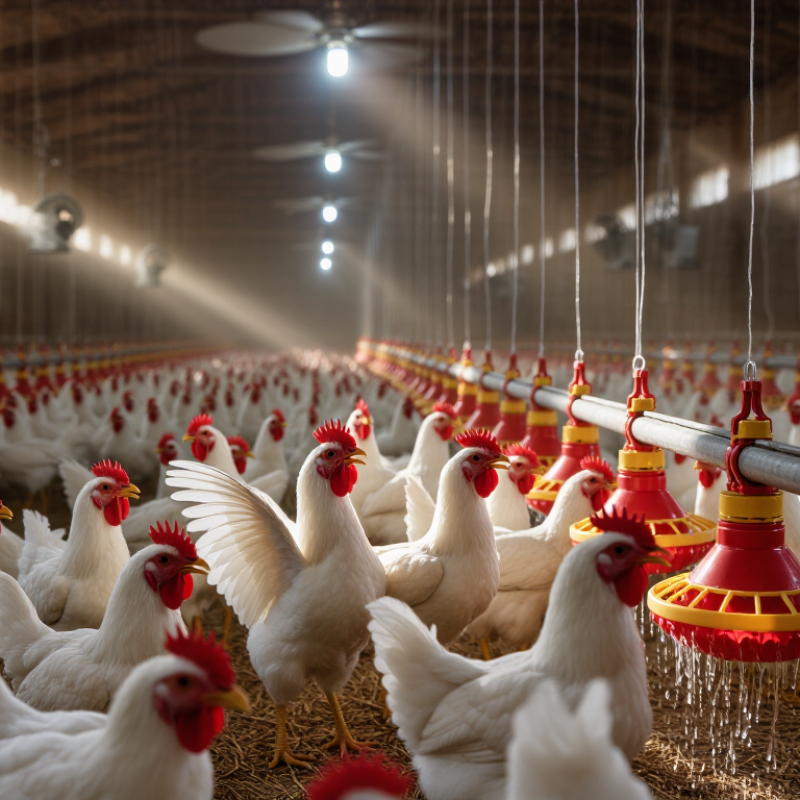
On a hot afternoon, a drinker line should remain cool, clean, and easy to reach. Producers should follow the product label carefully. Overconcentration may reduce water intake or create mineral imbalances. Under-dosing may provide little benefit. Water quality, bird age, disease status, and feed composition also influence results.

The approach is useful, but not perfect. More electrolytes are not always better. Flock records, mortality, water consumption, litter condition, and egg-shell changes should guide adjustments. When severe panting or sudden deaths appear, veterinary advice is essential.
What Is Heat Stress in Poultry How Electrolytes Help?

Defining Poultry Heat Stress: Risk Rises Above 30°C

When house temperatures climb above 30°C, poultry face a sharply higher risk of heat stress. The exact danger depends on humidity, airflow, stocking density, and bird age. Birds do not sweat. They lose heat by panting, spreading their wings, and reducing activity. That rapid breathing can disturb blood chemistry and increase water loss.

Watch for open-beak breathing, raised wings, crowding near drinkers, and unusual weakness. Eggshells may become thinner, while feed intake and growth often decline. These changes can appear before serious losses occur.

In my experience, midday observation reveals problems that morning checks can miss. It is easy to underestimate humidity.

Electrolytes help replace minerals lost during prolonged panting. Sodium, potassium, and chloride support fluid balance, nerve function, and muscle activity. Added electrolytes in drinking water may help birds recover during hot periods, especially when water consumption rises. Use a measured formulation and follow professional guidance. Too much salt can worsen dehydration.

Water must remain clean, cool, and continuously available. Warm, dirty, or restricted water can cancel much of the benefit.

Check birds at midday. Record water use and compare it with normal intake. Electrolytes are not a substitute for ventilation, shade, lower stocking pressure, or reliable drinkers. Even careful programs need adjustment. Humidity is easy to overlook. That uncertainty deserves attention.

Recognizing Heat Stress: Panting, Reduced Intake, and Egg Loss

Heat stress in poultry often begins quietly. Birds stand with wings slightly away from their bodies and breathe with open beaks. Panting is the clearest warning sign. Their combs may look unusually pale or dark. Activity decreases, and birds gather near drinkers or shaded walls.

Feed intake commonly falls during hot afternoons. A full feeder may hide a serious problem. Less feed means lower energy, protein, calcium, and vitamin intake. Hens may lay fewer eggs within days. Eggshells can become thin, rough, or cracked. These changes may also reflect disease, poor feed quality, or water problems. Heat is not always the only answer.

Electrolytes can support fluid balance when birds lose minerals through panting. Sodium, potassium, and chloride help maintain nerve, muscle, and hydration functions. They work best with clean, cool water and reliable drinker access. Follow a poultry nutritionist’s dosage guidance. Overuse can worsen water balance, so stronger solutions are not automatically better. Check drinkers several times daily, remove algae or debris, and provide airflow without creating stressful drafts. I have learned that delayed action is costly. A flock may appear calm while egg production is already slipping. Persistent panting, weakness, collapse, or sudden mortality requires prompt veterinary assessment.

How Panting Disrupts Na⁺, K⁺, Cl⁻, and Acid–Base Balance

What Is Heat Stress in Poultry How Electrolytes Help?

Heat stress changes more than a bird’s body temperature. It changes breathing, blood chemistry, and water movement. When a broiler pants, it releases carbon dioxide faster than normal. Blood pH can rise, creating respiratory alkalosis. The kidneys then adjust bicarbonate excretion, while sodium, potassium, and chloride balance may shift. This process is not always visible from the outside.

Panting also increases water loss through the respiratory tract. Sodium and chloride help maintain extracellular fluid volume, while potassium supports muscle and nerve function. During alkalosis, potassium can move into cells, reducing its concentration in the blood. Reduced feed intake may worsen the problem because birds receive fewer minerals from feed. Electrolyte solutions can support hydration when their sodium, potassium, and chloride levels are appropriately formulated. More is not always better.

Farm workers should check panting, water intake, feed intake, litter moisture, and daily mortality together. A sudden rise in water consumption needs investigation. Water quality matters too, especially sodium, chloride, and sulfate levels. I would avoid treating every heat event with a stronger solution. Excess minerals can reduce water intake or disturb acid–base balance further. The difficult part is that birds may look improved before their internal balance has fully recovered. Veterinary or nutrition advice is valuable when heat lasts several days.

Electrolyte Balance Targets: Typically 200–250 mEq/kg of Feed

What Is Heat Stress in Poultry? How Electrolytes Help?

Heat stress begins when birds cannot remove enough body heat. Panting increases water loss and disturbs blood chemistry. Electrolytes help support nerve function, muscle activity, and hydration. The key measure is dietary electrolyte balance, or DEB. A practical target is typically 200–250 mEq/kg of feed. DEB uses sodium, potassium, and chloride: Na + K − Cl, expressed in milliequivalents. The National Research Council’s Nutrient Requirements of Poultry and commercial broiler management guidance support evaluating these minerals together, not separately.

A feed may reach the target, yet birds can still struggle. Water quality, intake, litter moisture, house temperature, and feed mixing all matter. During hot weather, higher water consumption can dilute nutrient intake. Excess sodium may increase wet litter and ammonia. That is not a small issue. Field decisions should follow laboratory feed analysis and farm records. Research reviews, including heat-stress studies published in Poultry Science, associate balanced electrolytes with improved hydration and performance, but responses vary by age, genetics, humidity, and disease pressure. The 200–250 mEq/kg range is useful, not magical.

Tips: Check feed and water electrolytes before changing the ration. Record daily water-to-feed ratios. Inspect droppings and litter after supplementation. Avoid adding salts blindly. A simple DEB worksheet can reveal calculation errors, especially when mineral percentages are converted incorrectly into mEq values. Experienced flock teams should compare the formula with actual bird behavior, because the spreadsheet may look perfect while panting continues.

What Is Heat Stress in Poultry and How Do Electrolytes Help?

Electrolytes support fluid balance, acid–base regulation, and normal muscle and nerve function when birds lose more water and minerals during hot conditions.

Typical electrolyte balance target: 200–250 mEq/kg of feed. The electrolyte balance is commonly calculated as (sodium + potassium) − chloride, using consistent units. The target should be adjusted with a qualified poultry nutritionist because feed ingredients, water quality, bird age, and heat severity all affect the final formulation.

Using Electrolytes Through Water: Dosage, Monitoring, and Safety

What Is Heat Stress in Poultry How Electrolytes Help?

Using Electrolytes Through Water: Dosage, Monitoring, and Safety

During hot weather, chickens pant, drink more, and lose sodium, potassium, and chloride. Electrolytes can support fluid balance and normal muscle function. They do not cool a house or replace ventilation. Shade and moving air still matter.

Use only a poultry-labeled product, and follow its stated dosage. A common short-term approach is adding the measured amount to drinking water for one to three days. Do not guess from human products. Dosage depends on bird age, water intake, formulation, and weather. Measure water carefully with a clean container. Measure twice. Never exceed the label rate.

Monitor panting, activity, droppings, water consumption, and mortality records. Replace treated water daily, especially when drinkers sit in sunlight. Clean drinker lines first, because organic buildup can affect reliability. Keep it simple. Provide plain water when directed by the label, and avoid combining supplements without veterinary advice. If weakness, severe diarrhea, collapse, or continuing deaths appear, contact a poultry veterinarian promptly. Records are easy to neglect during a heat wave, yet they often reveal problems early. Electrolytes may help, but poor mixing or spoiled water can make the response disappointing.

FAQS

What are the earliest signs of heat stress in poultry?

Birds may pant with open beaks and hold their wings slightly away from their bodies. They may stand quietly near drinkers or shaded walls. Act early. Combs can appear unusually pale or dark, but appearance alone is unreliable.

How does heat stress affect feed intake and egg production?

Feed intake often drops during hot afternoons. Lower intake reduces energy, protein, calcium, and vitamin consumption. Egg production may decline within several days. Eggshells can become thin, rough, or cracked.

Are reduced eggs and poor shells always caused by heat?

No. Disease, poor feed quality, and water problems can create similar changes. Check several causes together. Heat is not always the only answer. A full feeder may hide reduced consumption.

How can electrolytes support birds during hot weather?

Sodium, potassium, and chloride help support hydration, nerves, and muscles. They may replace minerals lost during panting. Electrolytes work best with clean, cool water and reliable drinker access. More is not better.

What does panting do to a bird’s internal balance?

Panting removes carbon dioxide faster than normal. Blood pH may rise, causing respiratory alkalosis. Water loss also increases through the respiratory tract. Birds may look calmer before internal balance fully recovers.

What dietary electrolyte balance range is commonly used?

A practical dietary electrolyte balance target is often 200–250 mEq/kg of feed. The calculation uses sodium plus potassium minus chloride. This range is useful, not magical. Age, humidity, genetics, disease, and water quality can change results.

What should workers check before changing electrolyte levels?

Check feed minerals, water quality, intake, litter moisture, house temperature, and daily mortality. Record water-to-feed ratios each day. Inspect droppings and litter after supplementation. Do not add salts blindly.

Can excessive electrolytes create new problems?

Yes. Excess minerals may reduce water intake or disturb acid–base balance further. High sodium can increase wet litter and ammonia. Follow poultry nutrition guidance for dosage. I would not trust a spreadsheet alone. Bird behavior still matters.

When is veterinary assessment needed?

Seek prompt veterinary assessment for persistent panting, weakness, collapse, or sudden mortality. Several days of heat also deserve professional review. Check drinkers repeatedly and remove algae or debris. Provide airflow without creating stressful drafts.

Conclusion

Heat stress in poultry becomes a serious concern when temperatures rise above 30°C, especially in houses with poor ventilation or high humidity. Common warning signs include rapid panting, increased drinking, reduced feed intake, lethargy, weaker growth, and declining egg production or shell quality. Panting helps birds release heat, but it can disturb carbon dioxide levels and upset acid–base balance, while also increasing the loss or imbalance of sodium, potassium, and chloride.

Understanding how to reduce heat stress in poultry with electrolyte supplements can support hydration and physiological stability during hot weather. Electrolyte programs commonly aim for a balanced supply equivalent to approximately 200–250 mEq/kg of feed, although requirements vary with bird age, diet, climate, and production stage. Electrolytes may be provided through drinking water, with dosage carefully measured according to professional guidance. Clean water, frequent solution replacement, proper ventilation, and monitoring of water intake and bird behavior are essential. Over-supplementation should be avoided because it may worsen mineral or acid–base imbalances.

Aria

Aria

Aria is a dedicated marketing professional with a deep passion for innovative strategies and a keen understanding of our company's product offerings. With a wealth of experience in the industry, Aria excels at crafting engaging content that highlights the unique features and benefits of our......