Vetsys Pharmaceutical
Antibiotic use in livestock is a critical subject for farmers and veterinarians alike. Understanding what is the withdrawal period for common livestock antibiotics is essential. This period dictates how long one must wait after medication before the animal's products can be safely consumed. Mismanagement can harm both animal health and consumer safety.
Withdrawal periods vary among antibiotics, creating complexities. Farmers must be vigilant. The wrong timing can lead to antibiotic residues in meat and milk. Such contamination poses risks not just to health but also to marketability. Educating livestock producers on these regulations is vital for compliance and public trust.
In an era where antibiotic resistance is a growing concern, adherence to withdrawal guidelines reflects responsibility. Continuous learning is necessary. Veterinary professionals and farmers should stay updated with evolving guidelines. Each antibiotic requires specific attention. Relying on professionals can ensure that livestock practices align with safety standards.
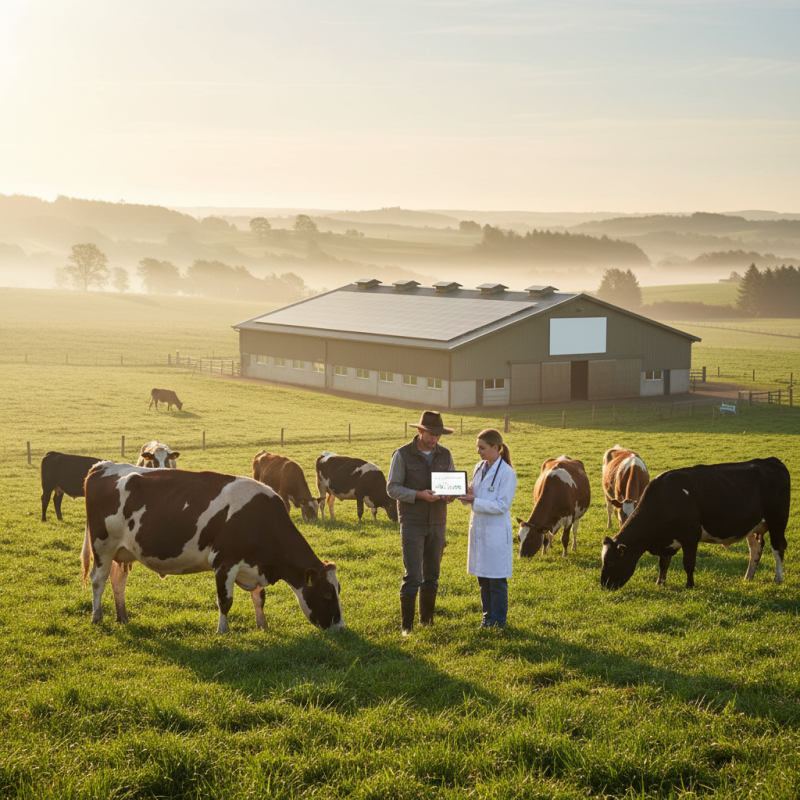
When using antibiotics in livestock, understanding withdrawal periods is crucial. Withdrawal periods are the time required after antibiotic treatment before animals can be safely processed for food. This ensures that antibiotic residues do not end up in meat, milk, or eggs. Failure to observe these periods can have serious health implications for consumers.
Different livestock species have varying withdrawal periods, influenced by factors such as the type of drug and dosage. For instance, the withdrawal period for cattle may differ from that for swine or poultry. Farmers need to keep thorough records of treatments to ensure compliance. This can be challenging, especially during busy seasons when multiple animals receive medications.
Educating livestock producers on the importance of these periods is essential. Many may not fully grasp the implications of rushing the process. Mistakes can lead not only to potential health risks but also to financial losses due to product recalls. A more informed and cautious approach can foster better practices in livestock management.
This bar chart illustrates the withdrawal periods for various antibiotics commonly used in livestock. Understanding these periods is crucial for ensuring animal health and compliance with food safety regulations.
When it comes to livestock antibiotic use, key regulations are crucial for farm safety. These regulations dictate the appropriate withdrawal periods after administering antibiotics. A withdrawal period is the time necessary for drugs to leave the animal's system before meat or milk is safe for human consumption. Understanding these rules is vital for compliance and consumer safety.
Tips: Always consult a veterinarian about the recommended withdrawal periods. They are knowledgeable about local regulations and animal health. Record keeping can help ensure you meet all required timelines.
The landscape of antibiotic use is constantly evolving. New research may change guidelines, so staying updated is important. Some farmers may overlook withdrawal times in their routines. This could lead to potential health risks and financial losses. Regular training on antibiotic policies is beneficial for livestock producers to reduce the likelihood of mistakes.
Tips: Use calendar reminders to track withdrawal periods. Educate your team on consequences of non-compliance. Knowledge is your best tool for maintaining farm standards.
The withdrawal periods for livestock antibiotics are crucial.
These periods are the time required after antibiotic treatment before animals can be processed for meat.
Adhering to these guidelines ensures that antibiotic residues do not enter the food supply.
Studies indicate that improper management can lead to residues exceeding safe levels.
It’s estimated that approximately 69% of the overall antibiotic use in livestock
is not adequately monitored, posing serious risks.
Impact on animal health is significant.
Animals need time to recover fully from treatment.
If antibiotics are given too close to slaughter, it can affect organ function.
Moreover, high antibiotic levels in meat can contribute to resistance trends affecting human health.
According to the World Health Organization,
700,000 deaths occur annually due to antibiotic resistance.
Clear withdrawal periods mitigate these risks.
Tips: Always consult veterinary guidelines for antibiotic use.
Monitor livestock closely during and after treatment to ensure full recovery.
Educate farm staff on the importance of withdrawal periods to uphold meat safety and animal well-being.
Establishing robust hygiene practices
can minimize the need for antibiotics, increasing both safety and health outcomes.
When raising livestock, understanding antibiotic withdrawal periods is crucial. These periods dictate how long after antibiotic treatment animals should not be slaughtered for food. For example, procaine penicillin has a withdrawal period of 4 days in cattle. This means meat from treated animals should not enter the food chain during this time. Misjudging withdrawal times can lead to food safety issues and market penalties.
Another commonly used antibiotic is oxytetracycline, which requires a 28-day withdrawal period in pigs. This extended time is essential to ensure that drug residues are not present in meat. The FDA emphasizes these guidelines to protect public health while ensuring farmers can use antibiotics responsibly. Yet, many producers may overlook these requirements, risking consumer trust and regulatory repercussions.
Veterinary professionals often recommend keeping accurate treatment records. This practice helps in tracking withdrawal times effectively. Interestingly, research indicates that between 10% and 15% of livestock producers do not fully understand these periods. This knowledge gap poses a challenge for the industry. Better education and resources are needed to promote compliance and safety.
In the livestock industry, understanding withdrawal periods for antibiotics is crucial. A case study from the FDA found that 30% of farms experienced withdrawal failures. These failures can lead to antibiotic residues in meat products, posing significant health risks. The USDA reports that improper antibiotic use contributes to rising antibiotic resistance, affecting both animal and human health.
One incident involved a dairy farm which administered antibiotics without adhering to the required withdrawal period. As a result, antibiotic residues were detected in milk, leading to product recalls. This not only caused financial losses but also damaged the farm's reputation. A report from the National Agricultural Statistical Service noted that breaches like this can cost the industry millions annually.
Moreover, guidelines from the World Health Organization emphasize the importance of proper withdrawal practices. Failure to comply can lead to penalties and stricter regulations. It’s essential for producers to regularly train staff on these practices to prevent similar issues. The consequences of negligence can be severe, impacting food safety and public trust in the agricultural sector.
| Antibiotic | Species | Withdrawal Period (Days) | Consequences of Withdrawal Failure |
|---|---|---|---|
| Oxytetracycline | Swine | 30 | Market rejection and financial loss due to antibiotic residues. |
| Penicillin | Cattle | 14 | Potential for severe allergic reactions in consumers. |
| Sulfadimethoxine | Poultry | 5 | Loss of consumer trust and regulatory fines. |
| Tylosin | Sheep | 7 | Risk of antibiotic resistance development. |
| Chlortetracycline | Goats | 21 | Reduced market value and carcass condemnation. |
: Withdrawal periods are the time needed after antibiotic treatment before animals can be safely processed for food.
They prevent antibiotic residues from entering meat, milk, or eggs, ensuring consumer health and safety.
Different livestock species and antibiotic types influence withdrawal periods, affecting cattle, swine, and poultry differently.
Noncompliance can lead to health risks for consumers and financial losses from product recalls.
Keeping detailed records of treatments and educating staff on withdrawal importance is essential for compliance.
Withdrawal failures can result in antibiotic residues in products, harming health and damaging industry reputation.
High levels of antibiotics in livestock can contribute to antibiotic resistance, posing risks to human health.
Monitoring livestock during treatment is crucial, even amid the hectic conditions of busy seasons.
Regular training on withdrawal practices is vital to prevent failures and maintain food safety standards.
Analyzing past antibiotic use and its management can help improve practices and prevent future issues.
Understanding the withdrawal period for common livestock antibiotics is crucial for maintaining animal health and ensuring the safety of meat products. Withdrawal periods refer to the timeframe needed after antibiotic treatment before the animal can be processed for food. Familiarity with these periods not only helps comply with regulations but also protects consumer health by preventing antibiotic residues in meat.
Key regulations governing antibiotic use in livestock dictate specific withdrawal times for different medications. These regulations are designed to mitigate the risk posed by improper antibiotic use, which can lead to resistance and health issues. Case studies have highlighted the serious consequences of withdrawal failures, underscoring the impacts on both animal welfare and consumer safety. Overall, adhering to established withdrawal periods is essential for the sustainability of the livestock industry.
