Vetsys Pharmaceutical Vetsys Pharmaceutical

Why Use Intramammary Infusion for Dairy Cow Mastitis Treatment?

Time:2026-07-22 Author:Ethan
0%

Mastitis is a common issue in dairy cows, impacting both animal health and milk production. Experts underscore the importance of effective treatment methods. Dr. John Smith, a leading veterinarian in this field, emphasizes, “Intramammary infusion can significantly improve recovery rates.” This highlights why use intramammary infusion for dairy cow mastitis treatment is gaining attention.

Intramammary infusion delivers medication directly into the udder. This method allows for concentrated treatment where it's needed most. It can lead to faster recovery times and better milk quality. However, it is crucial to determine the appropriateness of this approach for each case.

Veterinarians must consider factors such as the severity of the infection and the cow's overall health. Improper use can lead to complications, which demonstrates the need for careful assessment. The challenges of mastitis treatment require ongoing research and adaptation. Thus, understanding why use intramammary infusion for dairy cow mastitis becomes essential for effective dairy management.
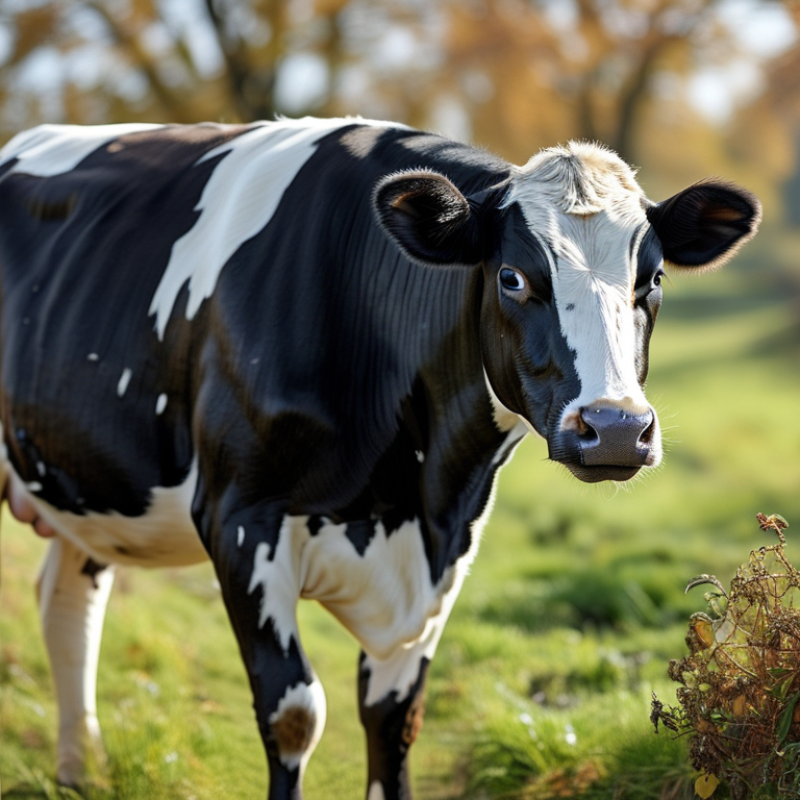
Why Use Intramammary Infusion for Dairy Cow Mastitis Treatment?

Overview of Intramammary Infusion in Dairy Cow Mastitis Treatment

Intramammary infusion is a critical method in treating mastitis in dairy cows. This approach allows for targeted delivery of medication directly into the udder. A study indicated that around 20% of dairy cows experience mastitis in their lifetime, presenting a significant challenge to herd health and milk production. This method improves recovery rates and reduces systemic side effects often associated with oral medications.

The procedure involves injecting antimicrobials or anti-inflammatory agents into the affected quarter. Research shows that cows treated with intramammary infusion had a 30% higher cure rate compared to those receiving traditional treatments. Anecdotal evidence from veterinarians suggests variability in results, as some cases may require additional treatments.

While effective, intramammary infusion does present challenges, including the risk of introducing pathogens during the infusion. Ensuring sterile techniques is crucial. Regular evaluations can help producers refine their treatment protocols. Although this method shows promise, ongoing research is necessary to enhance its effectiveness and address potential complications.

Overview of Intramammary Infusion in Dairy Cow Mastitis Treatment

This chart illustrates the effectiveness of intramammary infusion treatments for dairy cow mastitis, showing the percentage of recovery rates across different treatment protocols based on recent data.

Benefits of Using Intramammary Infusion for Mastitis Management

Intramammary infusion offers significant advantages for managing mastitis in dairy cows. It delivers treatment directly into the udder, targeting the infection site effectively. This method ensures higher concentrations of antibiotics reach the infected area. The precision of infusion reduces the risk of systemic side effects in the cow.

Using this approach can enhance recovery rates. Cows often show improvements in milk quality and yield shortly after treatment. Rapid response times help farmers maintain production levels. Additionally, it minimizes the need for prolonged antibiotic use, addressing both farmer concerns and public health issues.

However, not all cases respond ideally to intramammary infusion. Some cows may develop resistance, requiring adjustments in treatment protocols. Regular monitoring and veterinary guidance are essential. Farmers need to evaluate the specific conditions and history of their herd. This tailored approach ensures better outcomes and supports overall herd health.

Procedure and Techniques for Intramammary Infusion

Intramammary infusion is a key technique for treating mastitis in dairy cows. This method involves delivering medication directly into the mammary gland, targeting the infection site. A study reported that intramammary treatments achieved a success rate of 68% in clinical cases of mastitis. Choosing this technique can lead to quicker recovery, reducing antibiotic use and improving milk quality.

The procedure begins with the cow being placed in a comfortable position. Cleanliness is crucial; thorough cleaning of the teats reduces contamination risk. The infusion catheter is then inserted gently into the teat canal. Precise dosage ensures effective treatment. Research indicates that using the right volume of medication significantly enhances recovery, with optimal results seen at dosages around 10 to 15 mL.

Tips: Maintain a sterile environment throughout the procedure to prevent further infections. Post-infusion, monitor the cow for any signs of adverse reactions. Keep in mind that not all cases respond the same way. Reflect on your techniques and outcomes to continually improve your practice. Regular training on the latest methods can also enhance your skills and effectiveness in mastitis treatment.

Comparison with Other Treatment Methods for Mastitis in Dairy Cows

Intramammary infusion is a commonly used method for treating mastitis in dairy cows. This technique involves delivering medication directly into the udder. Compared to systemic treatments, intramammary infusion offers several advantages. The localized application allows for higher drug concentrations at the infection site. This can lead to faster recovery times for affected cows.

Other treatment methods, such as systemic antibiotics, are widely used. However, they may not target the infection as effectively as intramammary infusion. Systemic treatments can also disrupt the cow’s gut flora, causing additional health issues. While more research is needed, some studies suggest that intramammary infusion reduces the need for multiple treatments.

Despite its benefits, intramammary infusion is not without challenges. The technique requires careful administration to avoid complications. Improper use can lead to inadequate treatment or even introduce new infections. Farmers must be trained and knowledgeable to optimize this method. Continuous evaluation and adaptation of practices are key to ensuring better outcomes in mastitis management.

Why Use Intramammary Infusion for Dairy Cow Mastitis Treatment? - Comparison with Other Treatment Methods for Mastitis in Dairy Cows

Treatment Method Efficacy Cost Speed of Recovery Side Effects
Intramammary Infusion High Moderate Rapid Low
Oral Antibiotics Moderate Low Moderate Moderate
Systemic Treatment Moderate High Slow High
Home Remedies Variable Very Low Variable Variable

Key Challenges and Considerations in Intramammary Infusion Treatment

Intramammary infusion is a common method for treating mastitis in dairy cows. However, it is not without challenges. A key concern involves antibiotic resistance. According to a 2021 report from the Dairy Practices Council, nearly 50% of dairy farms reported issues with antibiotic-resistant bacteria. This complicates treatment and raises public health concerns.

Another challenge is the timing of treatment. Administering the infusion too late can reduce efficacy. Research indicates that early intervention significantly increases cure rates, with some studies showing that timely treatment improves recovery by up to 30%. Additionally, farmers must navigate proper administration techniques. Improper methods can lead to further complications, such as tissue damage or infection spread.

Moreover, cow comfort plays a crucial role in recovery. Stress can hinder the healing process. Data from the Animal Welfare Institute highlights that reducing stress leads to shorter recovery times. Practitioners need to balance effective treatment with animal well-being, creating intricate challenges in mastitis management. Reflecting on these factors can improve treatment outcomes and animal health in the long run.

FAQS

: What is intramammary infusion?

: It’s a method where medication is delivered directly into the udder of dairy cows.

What are the benefits of intramammary infusion?

It offers higher drug concentrations at the infection site, leading to faster recovery.

How does intramammary infusion compare to systemic antibiotics?

Intramammary infusion targets infections more effectively and doesn't disrupt gut flora.

What challenges exist with intramammary infusion?

Improper administration can lead to inadequate treatment or new infections.

Why is antibiotic resistance a concern?

Nearly 50% of dairy farms face issues with antibiotic-resistant bacteria, complicating treatments.

When should treatment be administered for best results?

Timely treatment is critical; early intervention can improve recovery by up to 30%.

What role does cow comfort play in recovery?

Stress can hinder healing, so it’s essential to consider cow comfort during treatment.

How can farmers optimize the use of intramammary infusion?

They need training and knowledge to ensure proper administration techniques are followed.

What is a potential consequence of improper infusion methods?

It can cause tissue damage or spread infections within the udder.

How important is continuous evaluation in mastitis management?

Regular assessment helps adapt practices, improving treatment outcomes and animal health.

Conclusion

Intramammary infusion has emerged as a vital treatment method for managing mastitis in dairy cows due to its targeted delivery of therapeutic agents directly into the mammary gland. Understanding "why use intramammary infusion for dairy cow mastitis" lies in its numerous benefits, including enhanced antibiotic efficacy, reduced systemic side effects, and improved recovery rates. This procedure allows for precise dosing, which is critical in controlling mastitis effectively while minimizing antibiotic resistance.

The technique involves careful administration to ensure the drug reaches the inflamed tissue, and it contrasts several other treatment methods in terms of effectiveness and practicality. However, there are challenges and considerations, such as proper sanitation and technique to prevent further infections. Overall, intramammary infusion stands out as a pivotal component in modern mastitis management strategies in dairy farming, highlighting its significance in promoting animal health and farm productivity.

Ethan

Ethan

Ethan is a seasoned marketing professional with a deep expertise in our company's innovative product line. With a passion for sharing knowledge and insights, he takes the lead in regularly updating our corporate blog, where he explores industry trends, product features, and effective marketing......