Vetsys Pharmaceutical Vetsys Pharmaceutical

Why is Intramammary Infusion Essential for Dairy Cow Mastitis?

Time:2026-04-14 Author:Isabella
0%

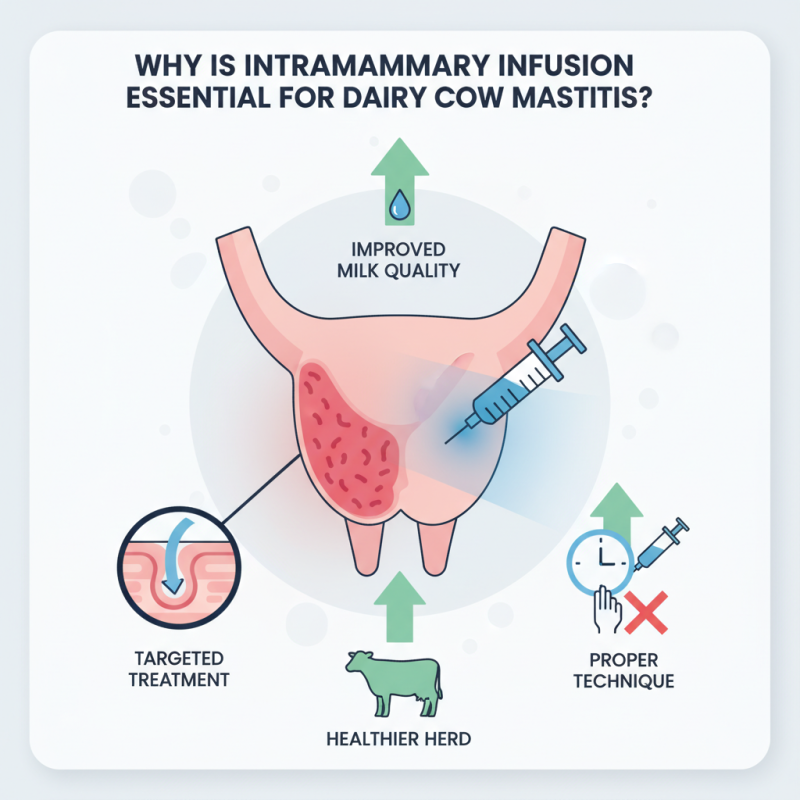
Mastitis poses a significant challenge in dairy farming. Managing this infection effectively is crucial for the health of dairy cows and the quality of milk production. As Dr. Jane Smith, a leading veterinary researcher, emphasizes, “Intramammary infusion is vital for treating mastitis effectively.” This method delivers medication directly to the affected area, ensuring targeted treatment.

Intramammary infusion allows for higher concentrations of the antibiotic where it is needed most. This localized treatment minimizes systemic side effects and improves recovery rates. It is essential for dairy cows facing mastitis, as it enhances the overall health of the herd. There are challenges, however, such as identifying the right timing and ensuring proper technique during the infusion process.

Understanding why use intramammary infusion for dairy cow mastitis is crucial for farmers. It can lead to healthier cows and better milk production in the long term. Yet, the effectiveness of this approach relies heavily on proper administration. Farmers must be trained and vigilant in their application to avoid complications. This method, while effective, demands attention to detail in its implementation.
Why is Intramammary Infusion Essential for Dairy Cow Mastitis?

The Role of Intramammary Infusion in Treating Mastitis in Dairy Cows

The treatment of mastitis in dairy cows relies heavily on intramammary infusion. This method directly delivers antimicrobial agents into the udder. According to recent studies, up to 40% of dairy cows experience mastitis at some point in their lactation cycle. Timely intervention is critical.

Intramammary infusion helps to target pathogens causing infection. For example, pathogens like Staphylococcus aureus lead to significant economic losses. A report from the National Mastitis Council indicates that treating mastitis can increase milk yield by up to 15%. However, the effectiveness of this treatment can vary depending on the infection's severity and the pathogen involved. Some studies suggest that not all infusions yield successful outcomes, highlighting the unpredictability of mastitis therapy.

Data show that many farms do not follow best practices for infusion administration. Knowledge gaps among producers can lead to improper dosages or timing issues. Research indicates that 30-50% of producers struggle with infusion techniques. Continuous education and proper protocols must be emphasized to improve outcomes. It's evident that while intramammary infusion is a vital tool, challenges remain in ensuring its effectiveness across various cases.

Effectiveness of Intramammary Infusion Treatments on Dairy Cow Mastitis

This chart represents the effectiveness of various intramammary infusion treatments in addressing mastitis in dairy cows. Treatment A shows a 75% effectiveness, while Treatment B is at 60%. Treatment C leads the pack with 90% effectiveness, followed closely by Treatment D at 80%.

Understanding Mastitis: Prevalence and Economic Impact in the Dairy Industry

Mastitis is a significant challenge in dairy farming. It affects nearly 30% of dairy cows globally. The economic impact is staggering, with losses estimated to reach $2 billion annually in the U.S. alone. Mastitis causes decreased milk production and increased veterinary costs. The economic burden extends to farmers, suppliers, and consumers alike.


Effective management of mastitis is crucial. Intramammary infusion is a key treatment option. This method delivers antibiotics directly into the udder. Research indicates that timely treatment can reduce the duration of the disease. Rapid intervention often leads to improved udder health and milk yield.


Tips for managing mastitis include:

  • Regular monitoring of cow health
  • Proper milking techniques
  • Training staff on hygiene practices to minimize infection risks
  • Maintaining clean environments
  • Testing milk regularly for somatic cell counts
Early detection can prevent more severe cases. Remember, the cost of neglect can be high. Reflect on your current practices and consider areas for improvement.

Mechanisms of Action: How Intramammary Infusions Combat Mastitis Bacteria

Intramammary infusion is a vital strategy for managing dairy cow mastitis. This condition significantly affects milk production and cow health. According to recent studies, mastitis costs the dairy industry approximately $2 billion annually. Effective treatment is crucial. Intramammary infusions deliver antibiotics directly into the udder, ensuring higher concentrations at the site of infection.

The infusion process works by targeting mastitis-causing bacteria. Research shows that 80% of clinical mastitis cases are linked to specific pathogens, including Staphylococcus aureus and Escherichia coli. By using intramammary infusions, these harmful bacteria can be effectively reduced within 48 hours. This method directly combats pathogens, decreasing bacterial load and promoting healing.

However, the challenge lies in antibiotic resistance. Not all mastitis treatments are equally effective. Some pathogens may evolve resistance over time, diminishing the success rate of standard therapies. This necessitates ongoing research and adaptability in treatment protocols. Monitoring bacterial patterns is essential for maintaining effective mastitis management strategies. Overall, while intramammary infusions are effective, the evolving landscape of mastitis pathogens requires constant vigilance and innovation.

Evaluation of Intramammary Infusion Protocols: Best Practices and Efficacy

Mastitis is a common and costly issue in dairy cows. Intramammary infusion is a key treatment method. It involves delivering medications directly into the affected udder. This targeted approach can lead to quicker recovery and better milk quality.

When evaluating infusion protocols, consider the timing and dosage. Early intervention often yields better outcomes. Consult with a veterinarian to tailor treatments. Routine monitoring of the cow's response is essential. Each case may vary in severity, requiring careful attention.

Tips: Keep records of each infusion's effectiveness. This helps refine future treatment protocols. Regular udder health checks can catch issues early. Also, ensure hygiene during the procedure to reduce infection risks. This attention to detail can significantly influence recovery rates.

Comparative Analysis: Intramammary Infusion vs. Systemic Antibiotics in Mastitis Treatment

Intramammary infusion plays a pivotal role in treating mastitis in dairy cows. This method delivers antibiotics directly into the udder, allowing high concentrations at the infection site. Compared to systemic antibiotics, intramammary infusion can be more effective for localized infections. It targets the bacteria where they thrive.

Systemic antibiotics work through the bloodstream, but their effectiveness can be diluted. They may not reach sufficient levels in the udder, especially in severe cases. While both methods aim to combat mastitis, the direct approach of intramammary infusion often leads to quicker recovery. This can reduce treatment costs and improve milk production.

Tips for optimal treatment include ensuring sterile techniques during infusion. This minimizes the risk of introducing new infections. Monitoring the cow's response is critical. If there is no improvement, a reevaluation of the treatment plan may be necessary. Reflecting on individual cases can help avoid common pitfalls, such as choosing the wrong antimicrobial agent. Always consult an expert for precise diagnosis and tailored treatment options.

Why is Intramammary Infusion Essential for Dairy Cow Mastitis? - Comparative Analysis: Intramammary Infusion vs. Systemic Antibiotics in Mastitis Treatment

Treatment Method Efficacy Rate (%) Time to Recovery (Days) Side Effects (%) Cost per Treatment ($)
Intramammary Infusion 85 7 5 15
Systemic Antibiotics 70 10 10 30

FAQS

: What is intramammary infusion?

: Intramammary infusion delivers antimicrobial agents directly into the udder of dairy cows.

Why is timely intervention important for mastitis?

Timely intervention is crucial as up to 40% of dairy cows may experience mastitis during lactation.

How effective is intramammary infusion in treating mastitis?

Its effectiveness varies based on infection severity and the pathogen involved; not all treatments succeed.

What are common issues with infusion administration?

Many farms fail to follow best practices, often due to knowledge gaps among producers.

How do intramammary infusion and systemic antibiotics compare?

Intramammary infusion targets localized infections better, leading to quicker recovery and reduced treatment costs.

What precautions should be taken during infusion?

Sterile techniques are essential to prevent introducing new infections during the process.

What should be done if there is no improvement after treatment?

Reevaluation of the treatment plan may be necessary if there’s no visible improvement.

What is a common pitfall in mastitis treatment?

Choosing the wrong antimicrobial agent can hinder recovery and complicate treatment.

How does mastitis impact milk production?

Treating mastitis effectively can increase milk yield by up to 15%.

Why is continuous education important for producers?

Education helps minimize mistakes related to dosages and infusion techniques in mastitis treatment.

Conclusion

Intramammary infusion is a crucial therapeutic strategy in managing mastitis in dairy cows, primarily due to its direct delivery of antibiotics to the site of infection. This method effectively targets the pathogens responsible for mastitis while minimizing systemic exposure and potential side effects. Understanding mastitis's prevalence and its significant economic impact on the dairy industry underscores the importance of effective treatment protocols.

The mechanisms of action for intramammary infusions reveal how they combat mastitis bacteria more efficiently than systemic antibiotics. A comparative analysis highlights the efficacy of infusion protocols, showcasing best practices that optimize treatment outcomes. Therefore, addressing the question of why use intramammary infusion for dairy cow mastitis becomes essential, as it represents a focused and effective approach to ensuring the health and productivity of dairy herds.

Isabella

Isabella

Isabella is a dedicated marketing professional with a sharp focus on driving brand growth and engagement through strategic content creation. With an extensive background in digital marketing, she combines her passion for storytelling with her keen understanding of industry trends to deliver......