Vetsys Pharmaceutical
In the poultry industry, eggshell quality is crucial for successful production and marketability. Recent data from the International Egg Commission indicates that nearly 10% of eggs produced worldwide suffer from poor shell quality. This leads to significant economic losses for producers. Improving eggshell quality is vital, and microelement premixes have emerged as an effective solution.
Dr. Emily Chen, a leading expert in poultry nutrition, states, "Proper supplementation with microelements enhances the structural integrity of eggshells." Utilizing microelement premixes can address mineral deficiencies in poultry diets. Elements such as calcium, zinc, and manganese play vital roles in eggshell formation. A balanced intake improves strength and reduces breakage rates, benefiting both producers and consumers.
Understanding how to improve eggshell quality with microelement premixes requires meticulous attention to nutritional needs. Data suggests that specific formulations can increase eggshell thickness by up to 15%. However, producers must evaluate their current practices. Often, there's a gap in knowledge about the right premix ingredients and their concentrations. Close monitoring and tailored solutions can help bridge this gap and enhance overall production quality.
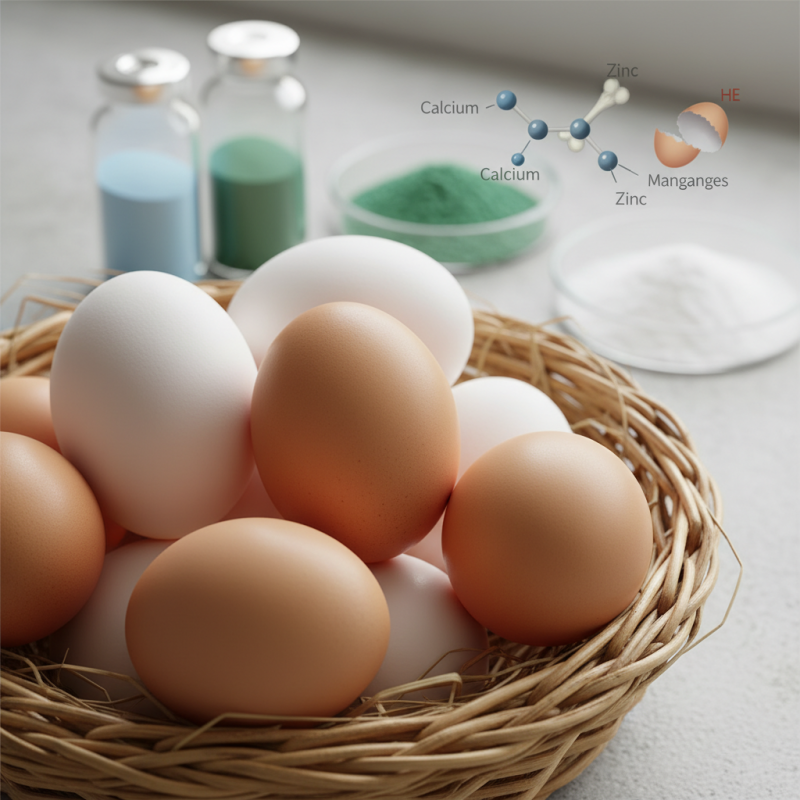
Understanding eggshell quality is crucial for poultry farmers. A strong eggshell is vital for protecting the egg and ensuring chick viability. Microelements, such as zinc, manganese, and copper, play a key role in eggshell formation. They contribute to the thickness and durability of the shell. A deficiency in these microelements can lead to thinner shells and increased breakage.
Considering the factors that affect microelement absorption is essential. Soil quality, feed composition, and bird health all influence how well these elements are utilized. Regularly testing feeds can uncover deficiencies. Sometimes, the solution lies in adjusting the feed formulation. It’s important to recognize that not all poultry will respond the same way to microelement supplementation. Monitoring flock performance is necessary to evaluate effectiveness.
Farmers often overlook the importance of microelement balance. An excessive amount of one can hinder the absorption of another. This delicate balance is vital for optimal eggshell quality. Observing flock behavior and egg production patterns can aid in identifying potential issues. Continuous improvement requires a commitment to learning and adapting practices.
Eggshell quality is crucial for poultry farming. Key microelements play an essential role in strong eggshell formation. Calcium is often highlighted because it directly impacts the hardness of the eggshell. However, other microelements like manganese and zinc are equally important. They help in the formation of collagen, a vital protein in the eggshell structure.
Manganese enhances eggshell strength by aiding in the enzymatic processes. Zinc supports the absorption of calcium and promotes overall shell integrity. Without sufficient levels of these elements, eggshells can become fragile and prone to breakage. In practice, farmers should regularly monitor the microelement levels in feed. Adjustments may be needed based on specific conditions and flock needs.
However, achieving the correct balance of microelements can be challenging. Over-supplying certain microelements might lead to toxicity, impacting poultry health. It's essential to follow guidelines and consult experts when in doubt. Regular testing and data analysis can reveal deficiencies or excesses that should be addressed. Small changes can make a significant difference in production outcomes.
Improving eggshell quality is essential for poultry farmers. Microelement premixes play a vital role in this process. These additives enhance the nutritional value of diets and promote optimal shell strength. Understanding how to effectively incorporate them in feeding strategies is crucial.
Tips: Focus on key microelements like calcium, manganese, and zinc. These elements strengthen the eggshell structure. A balanced ratio is necessary. Too much of one can lead to deficiencies in others. Regularly assess your diets for optimal combinations.
Including these premixes can be challenging. Consider working with a nutritionist. They can help design a targeted feeding program tailored to your flock's specific needs. Adjusting quantities based on observed results allows for effective refinement. Always monitor egg quality closely, as it reflects the success of your feeding strategy.
Tips: Keep records of changes in eggshell quality. Analyzing these trends can guide future decisions. Don’t hesitate to experiment with different combinations. It's a learning process that requires patience. Regular feed analysis ensures you're on the right track.
Tailoring microelement ratios is crucial for different poultry breeds. Each breed has unique needs for optimal eggshell quality. Adjusting microelements can enhance calcium absorption and improve overall health. This directly affects eggshell strength. For example, layers may require more zinc than broilers. A precise balance helps prevent weak shells, which can lead to production issues.
Tips: Monitor the specific needs of your poultry. Regular assessments can highlight deficiencies. Keep feeding practices consistent to ensure all birds receive tailored nutrition.
Consider environmental factors too. Stress, temperature, and diseases can impact nutrient utilization. A holistic approach is necessary for the best results. Evaluate how microelements like manganese and copper influence shell thickness. Understanding these relationships can evolve your feeding strategies.
Sometimes, though, adjustments may not yield immediate improvements. Some producers might overlook the importance of proper integration over time. Long-term strategies should be employed for sustained success. This reflective practice can build a stronger foundation for your flock's health and productivity.
Monitoring eggshell quality is vital for poultry producers. Various techniques can enhance the integrity of eggshells. Regular assessments help identify weaknesses in production. Techniques include observing eggshell thickness, color, and structural integrity. Tools such as digital calipers can measure thickness accurately. Tools like spectrometers evaluate shell color, providing immediate feedback.
Evaluating the effectiveness of microelement premixes is crucial. Regular analysis of eggs helps determine the impact of changes made. Breeders can adjust diets based on findings. Using biofeedback mechanisms, like monitoring calcium absorption, reveals deficiencies. Documenting these findings is essential for improvement. Keeping records supports transparency in production practices.
Challenges may arise in monitoring techniques. Some producers might overlook minor defects, leading to larger issues. It's important to regularly review evaluation methods. Producers should remain flexible in adapting techniques. Addressing unexpected outcomes fosters an environment of continuous improvement in eggshell quality.
| Method | Microelement Type | Improvement Percentage (%) | Research Study |
|---|---|---|---|
| Zinc Supplementation | Zinc | 15% | Study A 2022 |
| Manganese Enhancements | Manganese | 10% | Study B 2023 |
| Copper Boosting | Copper | 12% | Study C 2021 |
| Selenium Inclusion | Selenium | 18% | Study D 2023 |
| Iodine Application | Iodine | 14% | Study E 2022 |
| Vitamin D Combination | Vitamin D | 20% | Study F 2023 |
| Choline Use | Choline | 16% | Study G 2021 |
| Boron Addition | Boron | 11% | Study H 2022 |
| Iron Supplementation | Iron | 9% | Study I 2021 |
| Calcium Ratio Adjustments | Calcium | 17% | Study J 2023 |
: Strong eggshells protect eggs and ensure chick viability.
Zinc, manganese, and copper contribute to eggshell thickness and durability.
Deficiencies can lead to thinner shells and increased breakage, impacting production.
Soil quality, feed composition, and bird health influence absorption rates.
Regular feed testing can reveal deficiencies; adjusting feed formulation may help.
An excess of one microelement can hinder the absorption of another.
Observing flock behavior and egg production patterns can identify potential issues.
Yes, each breed requires specific microelement ratios for optimal eggshell quality.
Stress, temperature, and diseases can hinder how nutrients are absorbed.
Employing long-term strategies and reflecting on practices can foster flock health.
Improving eggshell quality is crucial for poultry production, and understanding how to improve eggshell quality with microelement premixes is key to achieving optimal results. Key microelements such as calcium, phosphorus, and micronutrients play a significant role in strong eggshell formation. By incorporating tailored microelement premixes into poultry diets, producers can enhance eggshell strength and reduce defects.
Implementing top strategies for integrating these premixes involves adjusting ratios specific to different poultry breeds, ensuring that dietary needs are met effectively. Regular monitoring and evaluation of eggshell quality improvements are essential in assessing the efficacy of these techniques, allowing for ongoing adjustments and refinements in feeding practices. Overall, focusing on microelements offers a proactive approach to elevating eggshell quality in poultry farming.
