Vetsys Pharmaceutical
Herbal medicine extracts are gaining popularity in organic livestock farming. This shift comes as farmers look for sustainable practices. According to a report by the Organic Trade Association, organic livestock grew by 21% in 2020. This trend emphasizes the demand for natural solutions.
Why use herbal medicine extracts for organic livestock farming? These extracts can improve animal health. They often enhance immune systems and feed efficiency. A study published in the journal Animals found that herbal extracts reduced illness in pigs by 30%. Such statistics highlight their potential.
Despite their benefits, challenges remain. Reliable sourcing of herbal extracts is crucial. Farmers must consider the quality and efficacy of these products. They should also be aware of the variability in herbal compositions. This complexity can affect outcomes. By addressing these concerns, organic livestock farming can better utilize herbal medicine extracts for healthier and more sustainable practices.
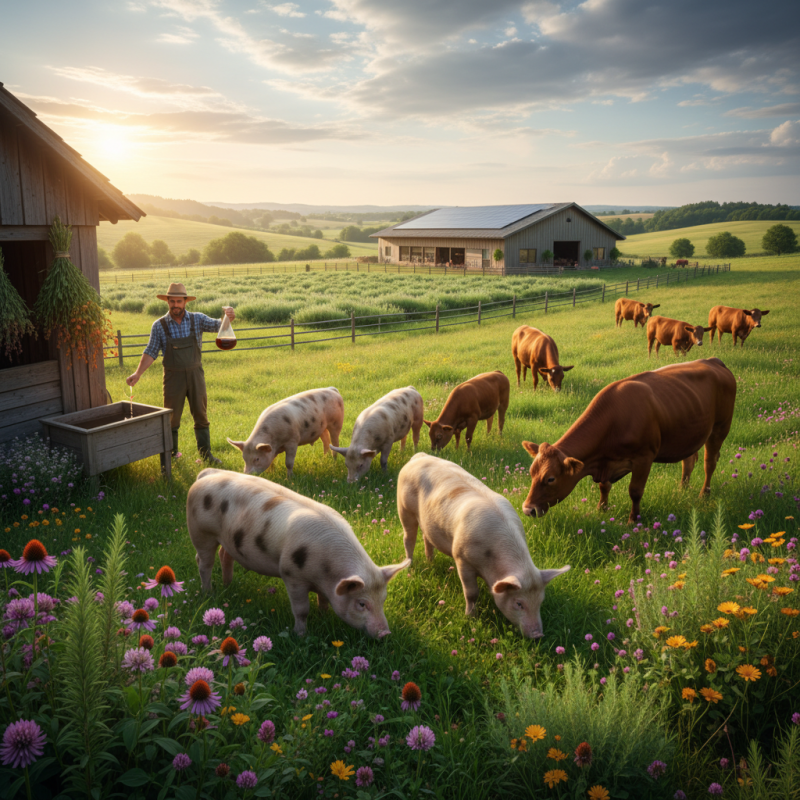
Herbal medicine extracts have gained attention in organic livestock farming due to their potential benefits. These natural remedies can help improve livestock health and enhance overall productivity. Many farmers are seeking alternatives to synthetic chemicals, hoping to achieve better animal welfare and environmental sustainability.
One significant benefit of herbal extracts is their role in boosting immunity. For instance, certain herbs contain antioxidants that can strengthen the immune system. This can lead to healthier animals that are less susceptible to diseases. Additionally, herbal medicines can aid in digestion. Some extracts promote the growth of beneficial gut bacteria, which is crucial for nutrient absorption. This can ultimately lead to better weight gain and meat quality.
However, farmers should approach herbal medicine with caution. Not all herbal remedies are equally effective. The impact can vary based on livestock species, health status, and the specific extract used. It's essential to consult with experts to ensure proper use. While herbs offer promising benefits, more research is needed to fully understand their effects on animal health. The balance between tradition and scientific evidence remains a crucial consideration in successful livestock management.
Herbal extracts have gained popularity in organic livestock farming. They offer a natural alternative to conventional antibiotics and chemicals. Key herbal extracts used in this sector include oregano, garlic, and turmeric. Studies indicate that oregano oil can reduce pathogenic bacteria in livestock effectively. It has shown a 60% reduction in harmful microbes in certain studies.
Garlic is another powerful herb commonly used. Its antibacterial properties help support a healthy gut flora in animals. A recent report highlighted that incorporating garlic into animal diets could reduce illness rates by up to 30%. Such benefits can lead to improved animal performance and reduced veterinary costs.
Turmeric is recognized for its anti-inflammatory effects. In livestock, it can enhance immunity. However, the effective dosage requires careful consideration. Some farmers may underestimate the quantity needed for optimal results. Miscalculating dosages can lead to less effective outcomes. This highlights the importance of consulting experts in herbal medicine extracts for livestock health.
Herbal medicine extracts offer a promising alternative for enhancing livestock well-being. These natural remedies can support immune function and promote digestive health. The bioactive compounds in herbs, such as flavonoids and alkaloids, have been shown to exhibit antimicrobial properties. This can help reduce the reliance on antibiotics in organic farming.
When livestock are exposed to herbal extracts, their stress response can diminish. For example, chamomile and ginger can calm animals, promoting relaxation. This effect may lead to better feed conversion rates. Livestock may absorb more nutrients when they are less stressed. Moreover, some herbs stimulate appetite, especially in young or recovering animals.
Despite these benefits, not all herbal extracts are equally effective. Variability in plant quality and extraction methods can impact results. Farmers must evaluate the source and preparation of these extracts. Understanding the right dosage is also crucial. Overuse could lead to unexpected side effects. Overall, continuous research is vital for optimizing the use of herbal medicine in livestock care.
The use of herbal medicine extracts in organic livestock farming is gaining traction. However, regulatory considerations are critical for successful implementation. Farmers must comply with established guidelines to ensure safe practices. According to a 2022 study by the International Federation of Organic Agriculture Movements, approximately 37% of organic farmers incorporate alternative remedies.
Navigating these regulations can be challenging. For example, European Union guidelines emphasize that any herbal products used should have a clear traceability process. This ensures that the extracts are derived from approved sources. Farmers need proper documentation to avoid potential penalties. Reports from the Organic Trade Association indicate that improper use of unregulated herbal products can lead to significant issues in herd health.
Moreover, the safety and efficacy of these herbal extracts require ongoing research and validation. While many farmers appreciate the benefits of using herbal remedies, the lack of standardization can lead to inconsistencies. According to the World Health Organization, only a fraction of herbal products undergo rigorous testing. This gap highlights the importance of maintaining reliability and accountability in organic farming practices. Appropriate training and guidance from experts can alleviate some of these concerns.
| Herbal Extract | Primary Use | Regulatory Status | Safety Profile | Benefits |
|---|---|---|---|---|
| Garlic Extract | Antimicrobial | Generally Recognized As Safe (GRAS) | Low toxicity | Improved gut health |
| Neem Extract | Pest Control | Permitted with restrictions | Moderate toxicity to aquatic life | Natural insecticide |
| Echinacea | Immune Support | Allowed with guidelines | Low risk | Enhances immunity |
| Peppermint Extract | Digestive Aid | GRAS | Generally safe | Relieves gastrointestinal issues |
| Ashwagandha | Stress Reduction | Under review | Safe in prescribed doses | Adaptogen benefits |
The comparative effectiveness of herbal medicine and conventional treatments in livestock farming is gaining attention. Herbal extracts offer a natural alternative for disease prevention and treatment. Many farmers report improved animal health with these remedies. They often contain bioactive compounds that support immunity. This can lead to lower mortality rates and healthier livestock.
Conventional treatments have their place but come with concerns. There's the risk of antibiotic resistance and side effects. Additionally, chemical residues can affect meat and milk quality. Farmers are seeking safer options. Herbal medicine can bridge this gap by providing effective and gentle alternatives.
However, results can vary. Not all herbal extracts are equally effective. Some may not deliver the desired outcomes, requiring more research. It's important for farmers to remain informed and choose wisely. The journey of integrating herbal medicine demands careful consideration and testing. This approach could lead to more sustainable farming practices.
: Common herbal extracts include oregano, garlic, and turmeric. They help promote animal health naturally.
Oregano oil can significantly reduce harmful bacteria. Studies show a 60% reduction in certain pathogens.
Garlic supports healthy gut flora. Reports suggest it can lower illness rates by 30%.
Turmeric has anti-inflammatory properties that boost immunity. Proper dosage is key for effectiveness.
Variability in plant quality matters. Extraction methods can also affect results and effectiveness.
Herbs like chamomile and ginger can calm animals. Reduced stress can improve nutrient absorption.
No, effectiveness varies among extracts. Farmers need to evaluate sources and preparation methods.
Miscalculating dosages may lead to ineffective results or unexpected side effects.
Continuous research helps optimize herbal use and ensures better animal health outcomes.
Less stressed animals absorb nutrients better, leading to improved feed efficiency and overall health.
In exploring the question of **why use herbal medicine extracts for organic livestock farming**, it is essential to consider the numerous benefits these natural remedies offer in promoting livestock health management. Herbal extracts can enhance animal well-being by supporting immune function, improving digestion, and reducing stress, ultimately contributing to a more sustainable farming practice. Key herbal extracts commonly employed in organic animal husbandry include a variety of plants known for their medicinal properties, each with unique mechanisms of action that benefit different livestock species.
Moreover, while incorporating herbal medicine into farming practices, it is crucial to understand the regulatory considerations that govern their use to ensure compliance with organic standards. A comparison of the effectiveness of herbal medicine versus conventional treatments reveals that, in many cases, herbal solutions can provide comparable, if not superior, outcomes without the adverse effects often associated with synthetic alternatives. Therefore, the integration of herbal medicine extracts represents a promising avenue for enhancing the health and productivity of animals in organic agriculture.
