Vetsys Pharmaceutical Vetsys Pharmaceutical

Ensuring Biosecurity with Vehicle and Footbath Disinfectants?

Time:2026-06-13 Author:Sophia
0%

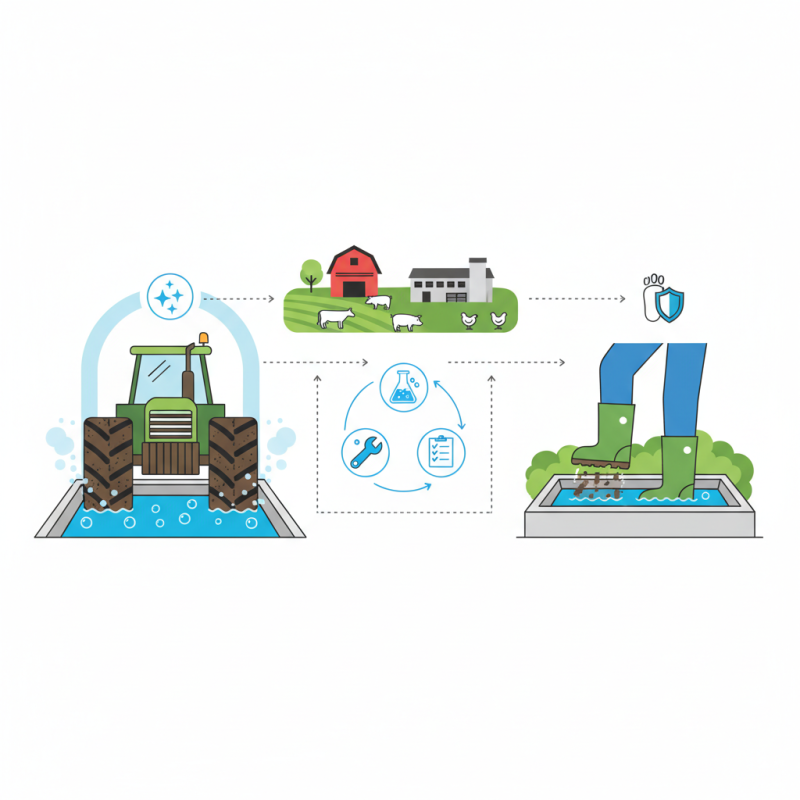
Biosecurity is a critical aspect of maintaining healthy environments in agriculture and food industries. Ensuring biosecurity with vehicle and footbath disinfectants plays a vital role in preventing the spread of pathogens. Effective disinfectants can significantly reduce disease transmission risks on farms, livestock facilities, and processing plants.

Understanding how to ensure biosecurity with vehicle and footbath disinfectants is essential for industry professionals. These disinfectants must be used correctly to maximize their effectiveness. Regular maintenance of disinfectant solutions is equally important. Contamination of solutions can undermine efforts to control pathogens.

Implementing a thorough protocol around these disinfectants can help identify weaknesses in a biosecurity plan. For example, workers may overlook footbaths or fail to check the concentration of disinfectants. These oversights can lead to increased vulnerability. It is crucial to explore and strengthen these practices for better biosecurity outcomes.
Ensuring Biosecurity with Vehicle and Footbath Disinfectants?

Importance of Biosecurity in Agriculture and Animal Husbandry

Biosecurity is critical in agriculture and animal husbandry. It protects livestock and crops from diseases and pests. Implementing effective measures enhances health, productivity, and sustainability. Disinfectants for vehicles and footbaths play a vital role in this.

Properly managed footbaths can reduce pathogen transmission. Farmers must regularly monitor and replace the disinfectant solution. Many overlook the importance of this simple step, which can lead to widespread outbreaks. Vehicles can carry harmful agents across vast distances. Regular disinfection helps to mitigate these risks.

While many practices exist, not every method is universally effective. Farmers may face challenges like environmental conditions affecting disinfectant efficacy. Continuous education and adaptation are essential for improving biosecurity. Reflecting on current practices helps identify weaknesses. Ensuring biosecurity should always remain a priority.

Types of Vehicle Disinfectants and Their Effectiveness

In the realm of biosecurity, vehicle disinfectants play a critical role. These products protect farms and facilities from potential pathogens. Different types exist, each with unique properties and effectiveness. For instance, some are designed for rapid action, killing bacteria within minutes. Others focus on residual effectiveness. The effectiveness can vary based on the surface type and environmental conditions.

Footbath disinfectants also deserve attention. These help prevent the transfer of pathogens from footwear to livestock. The choice of footbath solutions greatly influences their performance. Factors such as concentration, contact time, and temperature affect their ability to eliminate harmful organisms. Using suboptimal disinfectants raises concerns about their actual efficiency in real-world applications.

There are challenges in selecting the right disinfectant. Not every product works equally well on all surfaces. Some may struggle with organic matter, reducing their efficacy. Proper application techniques are crucial for ensuring that the disinfectant properly engages with contaminants. Regular evaluation of these products is necessary to maintain biosecurity standards.

Footbath Disinfectants: Materials and Application Techniques

Footbath disinfectants play a vital role in biosecurity for farms and facilities. The right materials and application techniques can significantly reduce pathogen transmission. Commonly used materials include quaternary ammonium compounds and chlorine-based solutions. Their effectiveness can vary based on concentration and contact time.

When preparing footbaths, ensure they are filled with a sufficient volume of disinfectant. Changing the solution frequently helps maintain efficacy. It's worth noting that dirty boots can contaminate the disinfectant quickly. Regular cleaning of footwear before dipping is crucial.

Tips: Use bright colored footbaths for visibility. This can help in monitoring the condition of the disinfectant. Also, consider adding a scrubber or textured mat inside the bath. This enhances disinfection by increasing contact with the disinfectant. Remember to assess the effectiveness of your footbath regularly. If a disinfectant isn’t working as intended, review your methods and materials. Adjustments may be necessary for optimal biosecurity.

Best Practices for Implementing Disinfectants in Biosecurity Protocols

In biosecurity, effective disinfectants for vehicles and footbaths are crucial. Research indicates that over 60% of pathogens can be transmitted via footwear and vehicles. Utilizing the right disinfectants not only reduces this risk but also strengthens overall biosecurity measures.

When implementing disinfectants, it's vital to choose EPA-approved products. They are formulated to address specific pathogens commonly found in agricultural settings. Ensure that disinfectants are used according to the manufacturer's guidelines for optimal effectiveness. Regular training for personnel on proper disinfectant application can significantly reduce contamination risks.

Tip: Always monitor the concentration of disinfectants. Dilutions that are too weak may fail to neutralize pathogens, while overly concentrated solutions can become ineffective due to residue build-up.

Additionally, review practices routinely. Over time, protocols may become stale or less effective. Conducting regular assessments can help identify areas needing improvement. Adjust protocols based on current infection data to keep pace with evolving threats.

Monitoring and Evaluating the Efficacy of Disinfectants in Use

Monitoring disinfectants is crucial for effective biosecurity. In agricultural settings, disinfectants help prevent pathogen spread. However, not all disinfectants work equally well. Studies indicate that ineffective products can lead to costly outbreaks. A report from the American Veterinary Medical Association highlighted that 70% of farms do not regularly evaluate their disinfecting agents’ efficacy.

Routine assessments are necessary. Conducting surface tests can help determine if disinfectants are performing as expected. Lab results should guide product selection. Consider incorporating rapid efficacy testing methods to streamline this process. For a simple check, use ATP monitoring systems, which provide immediate feedback on surface cleanliness.

It’s vital to address shortcomings in current practices. Many facilities rely on outdated disinfectants without evaluating their effectiveness. Regular audits of disinfectant efficacy can reveal gaps. Engage staff in training to ensure proper dilution and application. Establishing a consistent protocol bolsters biosecurity and reduces risks. Maintain an updated log of disinfectant evaluations to track improvements over time.

Ensuring Biosecurity with Vehicle and Footbath Disinfectants

This chart represents the efficacy percentages of various disinfectants used for biosecurity in vehicles and footbaths. The data indicates the performance of each disinfectant in eliminating common pathogens over a standard evaluation period.

FAQS

: Why is biosecurity important in agriculture and animal husbandry?

: Biosecurity prevents diseases and pests from harming crops and livestock. It enhances health and sustainability.

How do footbaths contribute to biosecurity?

Properly managed footbaths reduce pathogen transmission. Regularly monitoring disinfectant solutions is crucial.

What common mistake do farmers make with disinfectants?

Many overlook the need to replace used disinfectant. This can lead to disease outbreaks on farms.

How do vehicles affect biosecurity?

Vehicles can carry pathogens over long distances. Regular disinfection is necessary to reduce this risk.

Are all disinfectants equally effective?

No, effectiveness varies by type and surface. Environmental conditions also impact how well they work.

What factors influence the performance of footbath disinfectants?

Concentration, contact time, and temperature affect their efficiency. Poor choices can lead to inadequate pathogen control.

How can farmers improve biosecurity practices?

Continuous education and reflection on current methods help identify weaknesses. Adaptation is key for improvement.

What challenges exist when selecting disinfectants?

Not every disinfectant works on all surfaces. Some may struggle with organic matter, limiting their effectiveness.

Why should farmers regularly evaluate disinfectants?

Regular evaluation ensures biosecurity standards are maintained. It helps identify issues with current products.

What is a common oversight regarding disinfectant application?

Improper application techniques can limit effectiveness. Engaging with contaminants is essential for disinfectant success.

Conclusion

Ensuring biosecurity in agriculture and animal husbandry is crucial for preventing the spread of diseases that can devastate livestock and crops. One effective approach to achieve this is by utilizing vehicle and footbath disinfectants. Various types of vehicle disinfectants vary in their effectiveness, making it essential to choose the right formulation for specific environments. Additionally, footbath disinfectants serve as a frontline defense when animals are transferred between different locations.

To ensure biosecurity with vehicle and footbath disinfectants, implementing best practices in application techniques and maintaining proper concentration levels is vital. Regular monitoring and evaluation of the disinfectants' efficacy allow for adjustments and improvements in biosecurity protocols. By adhering to these strategies, farmers and producers can significantly reduce the risk of contamination and maintain healthier agricultural practices.

Sophia

Sophia

Sophia is a dedicated marketing professional with an exceptional depth of knowledge about her company's products and services. With a keen understanding of market trends and customer needs, she crafts insightful blog posts that not only inform but also engage readers, enriching the company’s online......