Vetsys Pharmaceutical Vetsys Pharmaceutical

2026 How to Distinguish Between Animal Premix and Feed Additives?

Time:2026-07-17 Author:Henry
0%

In the world of animal nutrition, understanding "what is the difference between animal premix and feed additives" is crucial. Dr. Jane Smith, a leading expert in animal feed formulation, once stated, "Clarity in defining feed components is essential for optimizing animal health." This speaks to the importance of distinguishing these two categories.

Animal premixes typically combine vitamins, minerals, and other nutrients. They serve as a foundation for balanced animal diets. In contrast, feed additives are specific substances. They enhance growth, digestion, or health. Knowing these differences affects animal performance and farm profitability.

Confusion often arises in the industry. Some may label a premix as an additive or vice versa. This can lead to ineffective feeding strategies or unnecessary expenses. Proper identification of each component can greatly enhance the nutritional efficiency of animal diets. By focusing on accurate definitions, we can ensure better outcomes for livestock. Understanding these nuances is not just beneficial; it is essential to the success of modern animal husbandry.
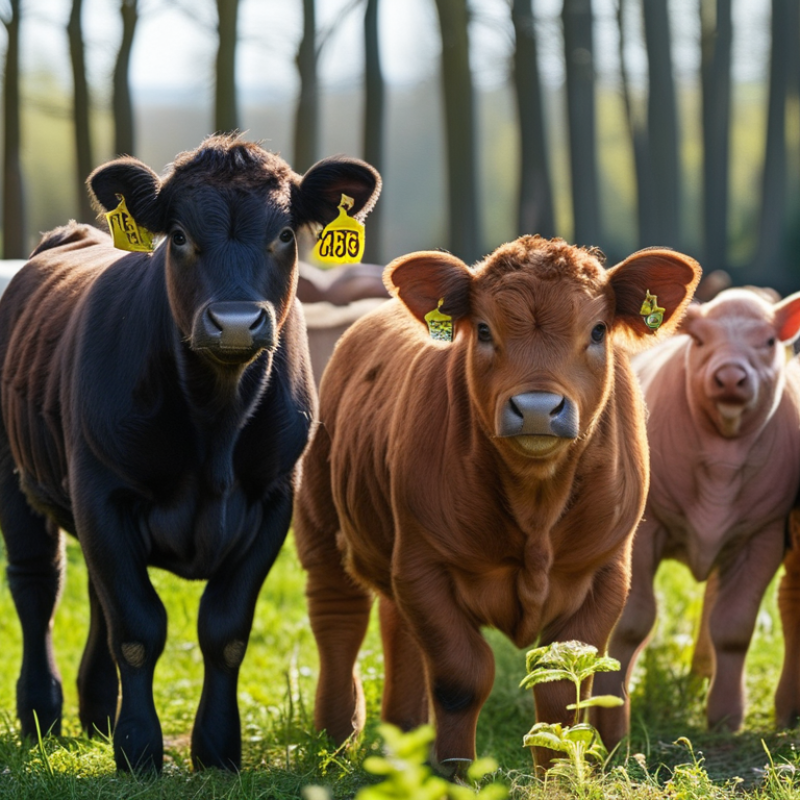
2026 How to Distinguish Between Animal Premix and Feed Additives?

Understanding Animal Premixes: Definition and Purpose

Animal premixes play a crucial role in livestock nutrition. These are concentrated mixtures designed to enhance the quality of animal feed. According to the Global Animal Nutrition Market report, the industry is expected to grow by over 5% annually, reflecting the increasing demand for better animal health. Premixes include vitamins, minerals, and amino acids. They are formulated to ensure that livestock receive balanced nutrition.

The purpose of animal premixes goes beyond mere supplementation. They support growth, improve feed efficiency, and enhance immune responses in animals. For instance, a study by the International Feed Industry Federation highlighted that the right premix can improve weight gain by up to 12%. This statistic underscores the impact of proper nutrition on overall productivity. However, not all premixes are created equal. Mislabeling and poor quality can lead to serious health issues in livestock.

Understanding the distinction between animal premixes and feed additives is crucial for producers. Feed additives are substances added to improve the feed’s nutritional value. In contrast, premixes are comprehensive blends designed for specific nutritional needs. Some producers may underestimate the importance of quality premixes versus generic additives. This gap can lead to suboptimal animal growth and health issues, highlighting the need for proper education and awareness in the industry.

The Role of Feed Additives in Animal Nutrition

Feed additives play a crucial role in animal nutrition, enhancing health and growth. These substances include vitamins, minerals, and probiotics. They support digestive health and improve nutrient absorption. For instance, probiotics can promote gut balance, leading to better overall health in livestock.

These additives often address specific dietary deficiencies. They can enhance feed efficiency, translating nutrients into growth. However, not all additives provide the same benefits. Some may need more research to confirm their effectiveness. This uncertainty requires careful evaluation from animal nutritionists.

Incorporating the right feed additives is essential. Farmers must assess their livestock's needs and the potential impact of these substances. This involves understanding how each additive works and monitoring animal responses. Striking a balance between effective use and proper research remains a complex challenge in animal nutrition.

2026 How to Distinguish Between Animal Premix and Feed Additives?

This chart illustrates the percentage usage of various feed additives in animal nutrition. Vitamins lead the way with 30%, followed by minerals at 25%, demonstrating their significant roles in enhancing animal health and productivity.

Key Differences Between Animal Premixes and Feed Additives

Animal premixes and feed additives serve distinct roles in animal nutrition. Animal premixes typically consist of a blend of vitamins, minerals, and other essential nutrients. They are formulated to provide a balanced diet when mixed with base feed. This ensures animals receive the necessary elements for optimal growth and health.

On the other hand, feed additives generally refer to substances added to animal feed for specific purposes, like improving digestion or enhancing flavor. They may include enzymes, probiotics, or flavoring agents to boost feed efficiency. While both improve animal health, the intent behind their use is different.

Understanding these differences is crucial for livestock producers. Choosing the right products requires careful consideration. Misunderstanding the roles could lead to inadequate nutrition. Inexperienced producers may mix them up, causing potential health issues for the animals. It’s essential to consult with nutrition experts for proper guidance. Each component in an animal's diet affects its overall well-being and productivity.

Identifying Ingredients: Labels and Nutritional Components

Understanding the difference between animal premix and feed additives requires careful examination of labels and nutritional components. Animal premixes typically contain essential vitamins and minerals mixed together. These components support overall animal health and growth. On the other hand, feed additives function differently. They may include probiotics, enzymes, or flavor enhancers aimed at improving digestion or palatability.

Nutritional labels are crucial for identification. A comprehensive ingredient list will clarify whether a product is a premix or an additive. For instance, the National Animal Feed Industry Association states that nearly 70% of farmers rely on accurate labeling for effective animal feeding practices. This trend indicates how essential it is to read and analyze these labels closely.

One must consider how the percentages of various nutrients can influence animal performance. For example, higher vitamin D levels can enhance bone health. However, not all additives require high doses to be effective. It's important to reflect on how ingredient quality can vary, impacting overall efficacy. Even if a label seems reliable, testing and verification are necessary to ensure the intended benefits.

Best Practices for Selecting Animal Premixes and Feed Additives

Selecting the right animal premixes and feed additives is crucial for optimal livestock health. Understanding the differences between these two categories is essential. Animal premixes consist of vitamins, minerals, and nutrients combined into a single feed product. Their purpose is to enhance the nutritional profile of animal diets. In contrast, feed additives are substances added to feed to improve growth, health, or performance. They may include probiotics, enzymes, or flavor enhancers, serving specific roles.

When choosing premixes, consider the nutritional requirements of your animals. Each species has unique needs. Conducting a nutritional analysis can provide clear insights. Look for reputable suppliers who adhere to quality standards. Documentation and certifications should be readily available. Misleading claims are common, so always verify the information.

Furthermore, reflect on your sourcing methods. While price is important, quality should not be compromised. Sometimes, cheaper options may lead to health issues down the line. Therefore, evaluate the potential benefits and risks. Engaging with trusted veterinarians or nutritionists can offer further guidance. Their expertise can bridge gaps in knowledge and ensure sound decision-making.

FAQS

: What are animal premixes?

: Animal premixes are concentrated mixtures that enhance the quality of animal feed. They include vitamins, minerals, and amino acids.

Why are animal premixes important?

They support growth, improve feed efficiency, and enhance immune responses in livestock. Proper nutrition is critical.

How do premixes differ from feed additives?

Premixes are comprehensive blends for balanced nutrition, while additives enhance specific feed aspects. They serve distinct roles.

What can happen with low-quality premixes?

Mislabeling and poor quality can lead to serious health issues in livestock, impacting growth and productivity.

How can feed additives benefit animals?

They enhance health, support digestion, and improve nutrient absorption. Probiotics are an example that promotes gut balance.

Why is it essential to evaluate feed additives?

Not all additives provide the same benefits, and some need more research. Careful evaluation is crucial for effective use.

What should livestock producers consider when choosing products?

Producers must assess their livestock's needs and understand how each product impacts their health and growth.

What challenges do producers face with nutrition?

Striking a balance between effective use and thorough research remains complex. Education and proper guidance are essential.

Can inexperienced producers mix up premixes and additives?

Yes, misunderstanding their roles can lead to inadequate nutrition and health issues in animals. Consulting experts is essential.

How does nutrition impact livestock productivity?

Each component in an animal's diet affects its overall well-being. Proper nutrition is vital for optimal growth and health.

Conclusion

In exploring the topic of "what is the difference between animal premix and feed additives," it is essential to first understand their definitions and purposes. Animal premixes are formulated combinations of nutrients designed to enhance the overall diet of livestock, ensuring they receive essential vitamins and minerals. Conversely, feed additives are substances added to animal feed to improve nutritional value, enhance growth, and promote health.

Key differences lie in their composition and intended use; while animal premixes provide a comprehensive nutrient solution, feed additives may target specific enhancements like digestion or immune support. Identifying ingredients through labels and understanding nutritional components is crucial for selecting the appropriate products. Best practices for choosing between the two involve considering the specific nutritional needs of animals, ensuring optimal health, and maximizing feed efficiency.

Henry

Henry

Henry is a dedicated marketing professional with a profound expertise in the company's offerings. With years of experience in the industry, he possesses an impressive understanding of the market dynamics and consumer behaviors that drive success. Henry is committed to sharing his insights through......