In the animal nutrition industry, understanding "what is the difference between animal premix and feed additives" is essential for farmers and nutritionists. Dr. Jane Smith, a renowned expert in animal nutrition, highlights, “Animal premixes and feed additives serve distinct purposes.” This distinction is critical for formulating effective diets.
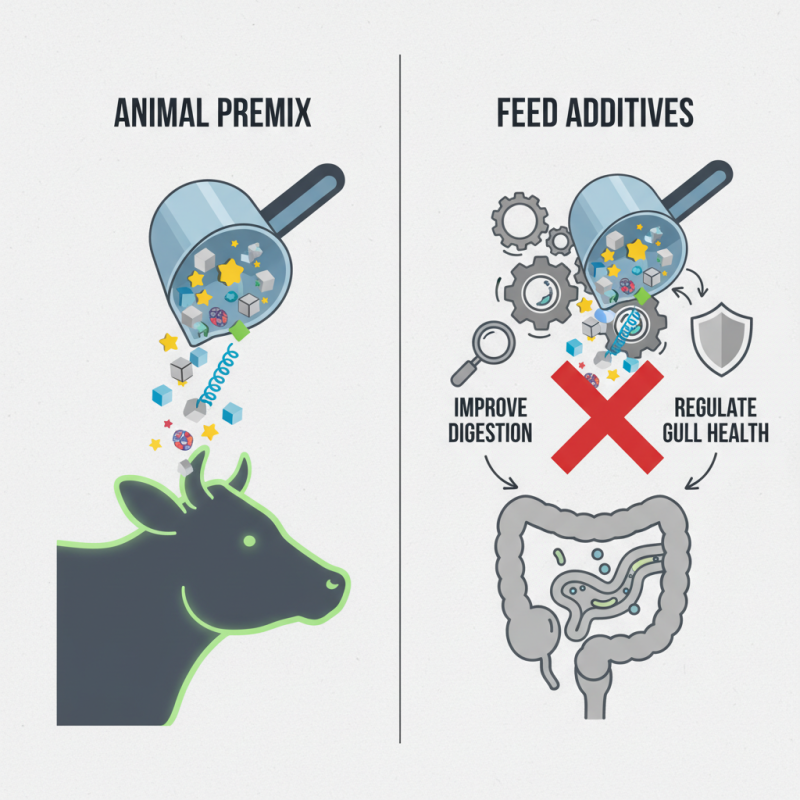
Animal premixes are designed to provide a balanced blend of nutrients. They typically contain vitamins, minerals, and amino acids, essential for growth and health. In contrast, feed additives enhance the diet's performance. They can improve digestion or regulate gut health but do not offer a full nutrient profile.
Recognizing these differences helps ensure optimal animal health and productivity. Farmers may overlook the unique benefits of each. This could lead to imbalanced diets or underperformance. Reflecting on these aspects allows for better decision-making in livestock management. Understanding the core differences becomes a foundational step toward improving animal welfare and farm profitability.
Definition of Animal Premix and Feed Additives
Animal premix and feed additives serve distinct purposes in livestock nutrition. Premixes are blends of nutrients, vitamins, and minerals tailored for specific animal needs. They provide a foundational nutritional profile, ensuring optimal growth and health. For instance, a cattle premix might contain high levels of calcium and vitamin D to support bone health. These blends are often mixed into complete feeds.
Feed additives, on the other hand, enhance the quality or performance of animal feed. They can include probiotics, enzymes, or flavorings that improve digestibility or palatability. For example, adding probiotics can promote a healthy gut environment. These additives target specific issues, such as growth rates or disease resistance.
Navigating the differences can be challenging. Some feed professionals might confuse the two, overlooking the specific roles each plays. Understanding the unique contributions of premixes and additives allows for tailored feeding strategies. Tailoring these components can improve animal welfare and production efficiency in the long run.
Comparison of Animal Premix and Feed Additives
Key Components of Animal Premix
Animal premix serves as a vital component in livestock nutrition. It combines various essential nutrients, vitamins, and minerals tailored to specific animal needs. Ingredients may include macrominerals like calcium and phosphorus, microminerals such as zinc and copper, and vital vitamins. This blend ensures animals receive the necessary nutrients for optimal growth and productivity.
One major difference between premix and feed additives lies in their purpose. While premix provides a comprehensive nutritional foundation, feed additives are more specialized. Additives aim to enhance feed efficiency, improve health, or modify behavior. They can include enzymes, probiotics, or amino acids. These components work synergistically, but their roles diverge significantly.
Tip: Always evaluate the specific nutritional requirements of your animals before purchasing. Proper assessment prevents over-supplementation, which can lead to health issues or inefficiencies.
Additionally, consider sourcing premixes from credible suppliers. Not all products will meet industry standards. Choose those that emphasize quality control and transparency in their ingredient sourcing. It's crucial to remain vigilant and informed about new developments in animal nutrition.
Tip: Keep an eye on evolving research. Innovations in animal nutrition surface regularly, and staying updated can enhance livestock performance. This investment in knowledge can yield significant returns.
Key Components of Feed Additives
Feed additives play a crucial role in animal nutrition. They enhance the quality of animal feeds and promote better health. Key components include vitamins, minerals, enzymes, and probiotics. Each of these components serves a specific purpose in improving growth rates, enhancing digestion, or boosting immunity.
Vitamins help prevent deficiencies in livestock. They contribute to metabolism and overall well-being. Minerals are essential for bone development and bodily functions. Enzymes aid in breaking down complex nutrients, making them easier for animals to absorb. Probiotics support gut health, leading to improved digestion and nutrient absorption.
While these additives offer numerous benefits, there is room for improvement in how they are implemented. Not all animals respond the same way to specific additives. This variability can complicate feeding strategies. Understanding how each component interacts with different diets can enhance their effectiveness. Further research may help farmers use these ingredients more efficiently. It’s crucial to remain aware of these challenges as we work to improve animal nutrition.
Functional Roles of Animal Premix vs. Feed Additives
Animal premixes and feed additives play crucial roles in livestock nutrition, yet their functions differ significantly. Animal premixes are blends of vitamins, minerals, and other nutrients. They are designed to provide complete nutrition tailored to specific livestock needs. According to industry reports, global demand for premixes is expected to grow by 3.5% annually, reflecting their importance in enhancing animal performance.
In contrast, feed additives serve specific functional roles. They include probiotics, enzymes, and antioxidants, targeting gut health, digestion, and overall well-being. A recent study indicated that incorporating probiotics can increase feed efficiency by up to 15%. However, the challenge lies in the varying responses of animals to different additives, prompting ongoing research to optimize their usage. Feed additives can enhance livestock health but may also lead to unintended effects if not balanced properly.
Understanding these differences is essential for optimizing animal nutrition. As farmers seek to improve productivity, knowing when to use premixes versus additives is vital. Mismanagement can result in nutrient imbalances or health issues. Therefore, monitoring livestock responses to diets enriched with these components is necessary for successful outcomes.
What is the difference between animal premix and feed additives? - Functional Roles of Animal Premix vs. Feed Additives
| Category |
Description |
Primary Functions |
Usage |
| Animal Premix |
A mixture of vitamins, minerals, and other nutrients designed to be mixed with base feeds. |
Ensures nutritional balance, supports growth and reproductive performance. |
Usually used in compound feeds for livestock and poultry. |
| Feed Additives |
Substances added to animal feed to enhance its nutritional value or improve health. |
Promotes digestion, enhances feed efficiency, prevents diseases. |
Added directly to feed during processing or feeding. |
| Types of Premix |
Includes vitamin premixes, mineral premixes, and complete premixes. |
Provides essential nutrients needed for specific animal species. |
Formulated for specific livestock categories like ruminants, swine, and poultry. |
| Types of Feed Additives |
Includes probiotics, enzymes, preservatives, and flavor enhancers. |
Improves gut health, increases feed intake, and extends shelf life. |
Used across various stages of animal production for enhancing performance. |
Applications and Regulations in Animal Nutrition
In animal nutrition, premix and feed additives serve distinct roles, both crucial for optimal growth and health. Premixes typically combine essential vitamins, minerals, and amino acids, creating a balanced nutrient base. Feed additives, however, focus on enhancing feed quality, improving digestion, or boosting immunity. Each plays a role in supporting animal wellness and productivity.
Regulations surrounding these products are vital for safety and efficacy. In many countries, government agencies oversee the formulation and labeling of premixes and additives. This ensures that they meet specific nutritional requirements. Compliance helps prevent harmful substances from entering the food chain. Farmers must stay informed about changing regulations. Lack of adherence can lead to significant consequences, both legally and for animal health.
Applications vary based on animal needs. Livestock, poultry, and aquaculture all have distinct nutritional requirements. Understanding these differences is crucial for optimal product selection. Some farmers might use a basic premix, while others may require specialized additives for disease prevention. This approach can sometimes feel overwhelming. Balancing efficacy with compliance is not always straightforward. As the nutrition landscape evolves, continual learning and adaptation are necessary.
FAQS
: An animal premix is a combination of essential nutrients tailored for livestock nutrition. It includes vitamins and minerals.
Premix provides comprehensive nutrition, while feed additives enhance specific functions like health or digestion.
Assessing nutritional needs prevents over-supplementation, which can lead to health issues or inefficiencies in livestock.
Choose premixes from reputable suppliers that prioritize quality control and ingredient transparency.
Staying informed about new research can enhance livestock performance and contribute to better productivity.
Feed additives, like probiotics and enzymes, support gut health and digestion but may cause unintended effects if misused.
Monitoring helps identify nutrient imbalances or health issues that may arise from dietary changes.
Yes, some additives, especially probiotics, can increase feed efficiency by up to 15% under the right conditions.
Animals respond differently to various additives, leading to the need for ongoing research to optimize their use.
Yes, the global demand for premixes is expected to grow by 3.5% annually, highlighting their importance in livestock nutrition.
Conclusion
The article titled "What is the difference between animal premix and feed additives?" explores the distinctions between these two vital components in animal nutrition. Animal premix refers to a balanced blend of vitamins, minerals, and other essential nutrients designed to be mixed with animal feed, ensuring animals receive a comprehensive diet. In contrast, feed additives are specific substances added to feed for enhancing its nutritional value or improving animal health, such as probiotics, enzymes, and flavor enhancers.
Key components of animal premix typically include macro and micronutrients essential for growth and development, while feed additives can serve various functional roles, including improving digestion, boosting immunity, and enhancing feed palatability. Understanding these differences is crucial for effective animal nutrition, as each plays a unique and complementary role in formulating diets that meet the health and performance needs of livestock. Regulations surrounding their use also underscore the importance of safe and effective application in animal husbandry.
 Vetsys Pharmaceutical
