Vetsys Pharmaceutical
The challenge of avian flu prevention underscores the importance of choosing effective disinfectants. Experts like Dr. Emily Carter, an authority in veterinary medicine, emphasize the need for precision. She states, “Selecting the right disinfectant is crucial for keeping avian populations safe.”
Understanding how to choose the best disinfectant for avian flu prevention is essential for farm managers and animal health professionals. The complexity lies in the diverse range of products available. Not all disinfectants are created equal, and many may fail against certain strains of the virus.
Detailed evaluations of disinfectant effectiveness can guide proper selection. Product labels should clearly outline active ingredients and their proven efficacy. Monitoring environmental conditions is also necessary, as temperature and organic matter can influence disinfectant performance. This detailed approach can be seen as imperfect but highlights the ongoing need for adaptation in preventive strategies. Selecting a disinfectant demands a nuanced understanding to ensure the best preventive measures against avian influenza.
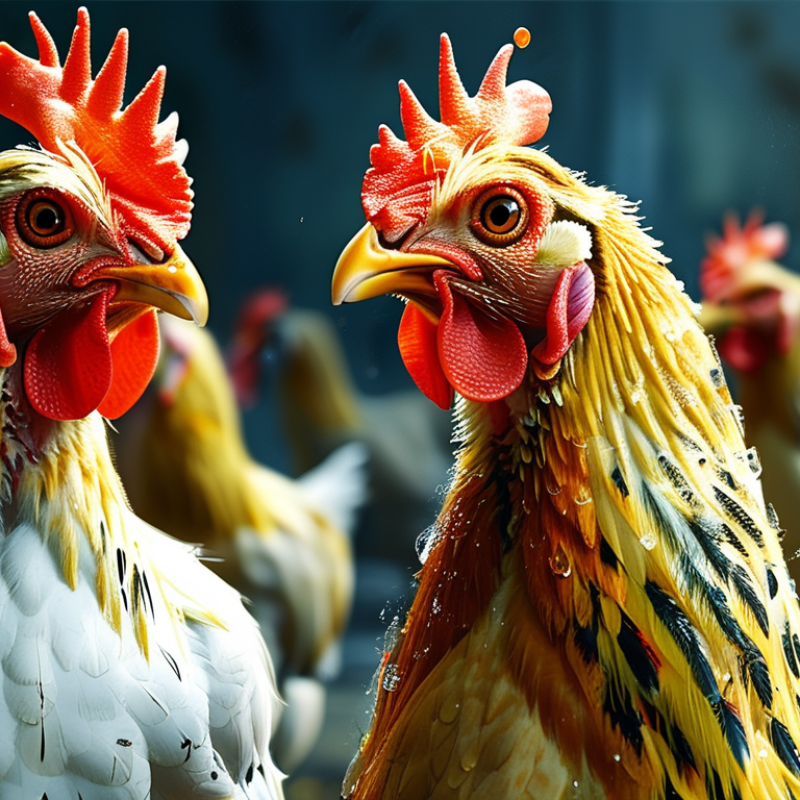
Disinfectants play a vital role in controlling avian flu outbreaks. According to the World Organisation for Animal Health (OIE), effective disinfection can reduce the transmission of the virus. Properly chosen disinfectants can save countless birds and minimize economic losses for poultry farmers.
Studies indicate that avian influenza can survive in the environment for extended periods, especially in organic matter. In such cases, disinfectants can deactivate the virus effectively. The U.S. Centers for Disease Control and Prevention (CDC) recommends using disinfectants that have proven efficacy against the influenza virus. Many poultry operations have reported significant reductions in infection rates after implementing robust disinfection protocols.
Selecting the right disinfectant is not just about effectiveness; it’s about safety too. Improper use can lead to harmful residues or resistance. Research from agricultural agencies notes that incorrect application remains a common issue in the industry. Regular training can rectify these mistakes, ensuring a more reliable sanitation process.
Choosing the right disinfectant for avian influenza is crucial. Not all disinfectants are equally effective against this virus. Different types have unique properties that target the virus's structure. Some are better suited for specific environments. Knowing this can make a significant impact on preventing outbreaks.
Chlorine-based disinfectants are common. They are effective but can be harsh. Their use may require protective measures to avoid harm to workers. Another option is quaternary ammonium compounds. These are milder but may not be as effective against all strains of avian flu. Their application can be cost-effective and safe in non-industrial settings.
Hydrogen peroxide is also an effective choice. It breaks down quickly and leaves no harmful residues. However, it can be corrosive to some surfaces. Careful consideration is necessary when using it. Each disinfectant has its strengths and weaknesses. Selecting the right one involves balancing effectiveness with safety. Awareness of the specific needs of your environment is essential.
| Disinfectant Type | Active Ingredients | Effectiveness Against Avian Influenza | Contact Time | Notes |
|---|---|---|---|---|
| Quaternary Ammonium Compounds | Benzalkonium Chloride | Moderate | 10 minutes | Use with caution; may not be effective against all strains. |
| Phenolic Compounds | Orthophenylphenol | High | 5-10 minutes | Effective against a wide range of viruses. |
| Chlorine Compounds | Sodium Hypochlorite | Very High | 1-10 minutes | Strong odor; effective but corrosive. |
| Hydrogen Peroxide | Hydrogen Peroxide | High | 30 minutes | Decomposes; safe for most surfaces. |
| Iodophors | Iodine | High | 10 minutes | Effective against bacteria and viruses. |
When dealing with avian flu, selecting the appropriate disinfectant is critical. The effectiveness of a disinfectant largely depends on its contact time. Insufficient contact time can lead to inadequate microbial reduction. The recommended contact times vary, but many disinfectants require at least 10 minutes to achieve optimum results against the avian flu virus.
Tips: Always check the label for specific contact time recommendations. If unsure, allowing a longer contact time ensures better efficacy. Regularly reviewing the latest guidelines helps maintain effective disinfection practices.
It's important to remember that not all surfaces are treated equally. Certain materials may harbor the virus more easily than others. For example, porous surfaces might require different contact times compared to hard surfaces. An impulsive approach could lead to serious oversights. Practicing patience and awareness during disinfection routines can contribute to better overall results.
Tips: Use a timer to avoid rushing the disinfection process. Identify high-risk areas that may need a second application. Documenting your disinfection practices can help in assessing effectiveness over time.
Choosing the right disinfectant for avian flu is critical for poultry operations. Adhering to industry standards is not just a recommendation; it's an essential practice. Disinfectants must be effective against the avian influenza virus and approved by relevant authorities. Understanding the specific requirements of your operation is key.
Regular training and updates for staff are vital. Employees should be aware of the latest protocols and proper handling of disinfectants. This ensures safety and effectiveness. Additionally, the dilution rates and contact times of disinfectants can vary, which may lead to misuse if not properly understood.
Tips: Always check for updated guidelines from local authorities. Regularly assess the effectiveness of your disinfectant choice. Rotate disinfectants periodically to prevent resistance. Ensure proper ventilation when using strong chemicals. Take time to evaluate your current practices and make necessary tweaks. This reflection can enhance health and productivity within your poultry operation.
Avian flu poses a significant threat to poultry health and the economy. Case studies from various farms illustrate the effectiveness of proper disinfection protocols. In one instance, a farm faced an outbreak. They implemented a thorough cleaning routine using specific disinfectants recommended by experts. As a result, the farm reported a significant decrease in infection rates.
Data from the World Organization for Animal Health (OIE) underscores the importance of disinfectants. Studies indicate that certain disinfectants can reduce viral loads by over 99% when used properly. Farms that adopted these measures saw their recovery timelines decrease sharply. However, it's crucial to assess the environmental impact of chosen disinfectants, as some may pose risks to surrounding ecosystems.
Tips for effective disinfection include using the right concentration of disinfectants as per manufacturer guidelines. Ensure all surfaces are cleaned thoroughly before applying disinfectants. Regular training for staff on disinfection protocols is vital. Checking equipment and implementing standardized procedures can enhance effectiveness. Engaging with experts regularly will also help in adapting the best practices based on evolving scientific data. Consideration of feedback and areas for improvement is essential for continual progress in disinfection efforts.
: Most disinfectants require at least 10 minutes for effective results against the avian flu virus.
Labels provide specific contact time recommendations. Longer contact times can improve efficacy if unsure.
Some surfaces, like porous materials, may need longer contact times compared to hard surfaces.
An impulsive approach or rushing might cause significant errors in disinfecting practices.
Regular training ensures employees understand protocols and proper handling of disinfectants for safety.
Rotating disinfectants prevents resistance and ensures a more holistic approach to disinfection.
Implement thorough cleaning routines with recommended disinfectants to significantly reduce infection rates.
Some disinfectants can negatively impact surrounding ecosystems; it's crucial to evaluate their environmental effects.
Documenting helps assess effectiveness over time and identify areas for improvement in procedures.
Use the right concentration, ensure thorough cleaning before application, and provide staff training regularly.
Effective disinfection is crucial in controlling avian flu outbreaks, as the disease can spread rapidly among poultry populations. To ensure optimal results, it is essential to understand how to choose the best disinfectant for avian flu prevention. This involves selecting disinfectants that are specifically effective against the avian influenza virus and adhering to recommended contact times to maximize their efficacy. Industry standards provide guidelines for disinfectant use in poultry operations, ensuring that biosecurity measures are implemented properly.
Numerous case studies demonstrate successful disinfection protocols that can significantly reduce the risk of avian flu transmission. By analyzing these protocols, poultry operators can identify best practices and improve their disinfection strategies. The key to effective avian flu prevention lies not only in choosing the right disinfectant but also in understanding the appropriate application methods and maintaining high standards of hygiene in poultry farming environments.
