Vetsys Pharmaceutical
In poultry farming, ensuring the health of birds is paramount. One effective method is adding medicine to drinking water. However, the proper dosage is crucial to avoid underdosing or overdosing. This article will guide you on how to calculate poultry medicine dosage in drinking water.
Using the correct dosage not only protects the birds but also improves their overall productivity. Miscalculations can lead to serious health issues or treatment failures. It's essential to base your calculations on accurate measurements of both the medicine and the water. Many farmers struggle with this, leading to inconsistent results.
Detailed steps will be outlined, along with common pitfalls to avoid. Trust is key in the farming community. Therefore, understanding these principles is vital for building reliable practices. Your approach can greatly influence the effectiveness of the treatments administered. Each farm is unique, so a personalized method is necessary. Consider this guide as a valuable resource to enhance your poultry care strategy.
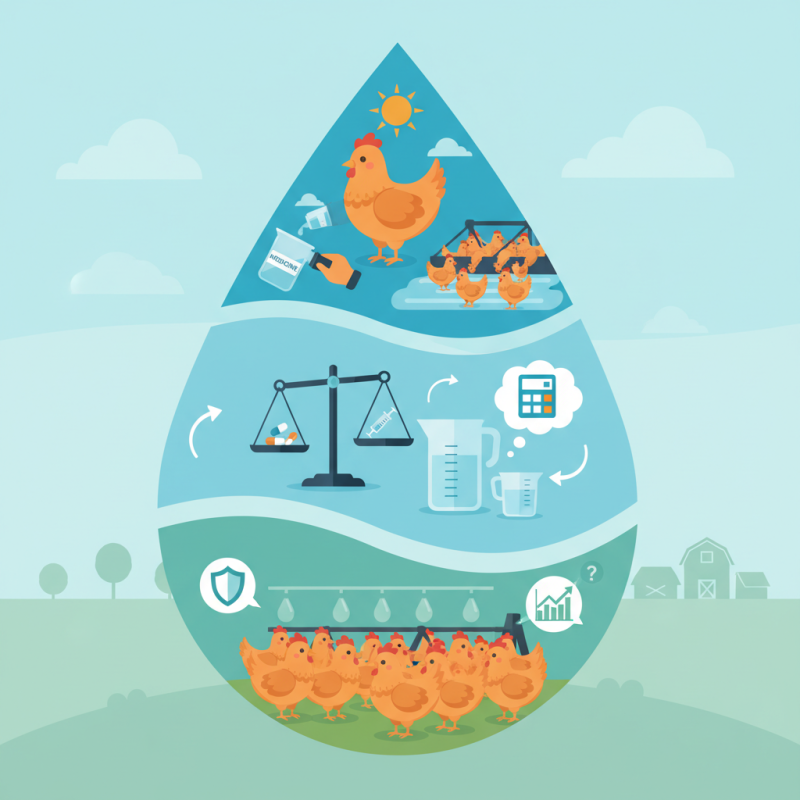
Poultry medicine plays a crucial role in maintaining the health of livestock. Proper care ensures productivity and minimizes disease outbreaks. According to a report from the World Organization for Animal Health (OIE), animal health significantly impacts food security and economic stability in agriculture. Farmers often overlook the importance of medication due to perceived costs or complexity, but investing in poultry health can lead to long-term profit.
The effective administration of medicine in drinking water is vital. Research shows that 75% of poultry treatments are delivered this way, as it ensures uniform distribution and easy access for birds. However, incorrect dosages can lead to ineffective treatment or drug resistance. Many farmers struggle with calculating accurate dosages, which can compromise animal welfare. Monitoring water intake and understanding individual bird needs are essential.
Implementing better training and resources for farmers could improve understanding. A study from the Poultry Science Association indicates that 60% of poultry producers lack confidence in dosage methods. This gap suggests a need for more education and support. Poultry health is an ongoing journey, and farmers must strive for continuous improvement.
This chart illustrates the relationship between the water volume and the required medication dosage for poultry in a drinking water system. The data demonstrates that for every 1 liter of water, a dosage of 5 ml of medication is necessary, resulting in a total of 500 ml for 100 liters of water.
Calculating the correct dosage of poultry medicine in drinking water relies on several crucial factors. The age and weight of the birds play a significant role. Younger birds require different dosages compared to mature ones. A general rule of thumb is to adjust the dosage according to their growth stages. Knowing their average weight is essential. An inaccurate weight estimation can lead to under or over-medication.
Water consumption is another key factor affecting dosage. Naturally, birds drink different amounts depending on their environment and health. During hot weather, they may drink more, diluting the medicine. Observing their drinking habits can provide insights into how much medicine to administer. It's also important to monitor how the water is mixed. Uneven distribution can lead to inconsistent dosages among the flock.
Lastly, the type of medication matters. Each medication has specific guidelines based on potency and target conditions. This diversity can often complicate the calculation process. Adjusting the dosage according to the specific requirements of the medicine can be challenging. Careful attention to detail is essential for effective treatment.
Calculating the right dosage of poultry medicine in drinking water is crucial for effective treatment. Start by determining the weight of the birds. For example, a broiler chicken weighs around 2 kg at market age. The recommended dosage often ranges from 0.5 to 1 mg of active ingredient per kg of body weight. If you have 100 birds, their total weight is 200 kg. If the medication recommends 0.5 mg/kg, that results in a total dosage of 100 mg.
Next, consider the water consumption. An average broiler drinks about 1-2 liters of water per day. Assume each bird consumes 1.5 liters. Therefore, 100 birds will drink 150 liters of water daily. To calculate the required medication concentration, dissolve the total dosage in the total daily water consumption. For our example, dissolve the 100 mg of medication in 150 liters. This means the solution should contain about 0.67 mg of medication per liter of water.
It's important to note variations can occur. Different environmental conditions or bird stress can affect water intake. Accurate calculations require monitoring consumption patterns. Regular adjustments may be necessary based on feedback from bird health and behavior. Continuous education on dosage calculations is essential for poultry producers, as improper dosing can lead to ineffective treatment and increased resistance to medications.
When administering poultry medications, small mistakes can lead to significant health issues. One common error is incorrect dosage calculation. According to the National Poultry Improvement Plan, precise dosing is essential for effective treatment. Using inaccurate measurements can underdose or overdose birds, potentially causing resistance or toxicity.
Another frequent pitfall is not considering the water's temperature. The drug's solubility can change based on temperature, affecting its efficacy. A study published by the Poultry Science Association found that temperatures above 30°C can reduce the potency of some medications.
Tips: Always measure the water accurately. Use a scale for precision. It’s also wise to administer medications during cooler periods for better absorption.
Overlooking the importance of consistent administration times can also compromise treatment effectiveness. Poultry must receive the medication at regular intervals. This ensures that therapeutic levels are maintained in their system. Adjustments to the drinking water should be made based on flock size and health needs.
Tips: Develop a schedule for administration. Enlist helpers if managing a large flock. Keeping a log can prevent forgetfulness and ensure adherence to the treatment plan.
When calculating poultry medicine dosage in drinking water, accuracy is vital. A precise dosage ensures the effectiveness of the treatment. Start by measuring the total water consumption of the flock. This can vary daily, so monitoring water intake over several days provides a clearer picture. Record the amount accurately in liters or gallons for better calculation.
Another best practice is to thoroughly mix the medication with the water before administration. This ensures that each bird consumes the correct dose. Use a clean container for mixing to avoid contamination. Ensure that all poultry have access to the medicated water. If some birds are isolated or reluctant to drink, they may miss the treatment. Consider placing additional containers with medicated water in accessible areas.
It's important to reflect on the environment too. Stressful conditions, such as overcrowding, can impact water consumption. Adjust your approach based on observations. Always re-evaluate the dosage based on flock size and health status. Monitoring bird behavior and health post-treatment provides insights into the effectiveness of the administered dosage. These adjustments lead to better overall outcomes.
: Correct dosage ensures effective treatment and prevents resistance to medications.
Weigh each bird and then multiply by the number of birds in your flock.
The common dosage ranges from 0.5 to 1 mg of active ingredient per kg of body weight.
Dissolve the total dosage in the total daily water consumption for accurate concentration.
Average water consumption is about 1-2 liters per bird daily; monitor for variations.
Higher temperatures can reduce medication potency, affecting treatment effectiveness.
Inaccurate dosage and inconsistent administration times can lead to ineffective treatment.
Develop a schedule and keep a log to track administration times for better adherence.
Use a scale for accurate water measurements and medication dosing.
Adjust medication and water based on the size and health needs of your flock.
In the guide "How to Calculate Poultry Medicine Dosage in Drinking Water," the importance of administering the correct dosage of poultry medicine is emphasized to ensure effective livestock care. The article outlines key factors that influence dosage calculation, such as the specific medication's concentration, the weight of the poultry, and the duration of treatment required.
Furthermore, it provides a step-by-step method for calculating the appropriate dosage in drinking water, helping poultry keepers avoid common mistakes that can arise during medication administration. Best practices for achieving accurate dosage and maximizing the medicine's effectiveness are also discussed, making this guide a valuable resource for livestock caretakers seeking to enhance their poultry health management strategies.
