Vetsys Pharmaceutical
Administering oral solutions to piglets is a critical task for swine producers. Research shows that effective administration can significantly reduce disease rates and improve overall health in piglets. According to a recent study from the American Association of Swine Veterinarians, properly managed hydration can enhance growth rates by up to 15%. This underscores the importance of understanding what is the best way to administer oral solutions to piglets.
Dr. Laura Smith, a leading swine health expert, emphasizes this point. She states, "Effective administration techniques are crucial for maximizing the benefits of oral solutions." Her insights highlight the necessity of expertise in this area. Different methods, including the use of dosing syringes and nipple bottles, can yield varying results depending on the technique and timing of administration.
Challenges can arise during administration, such as piglet stress or refusal to drink. These issues can hinder the effectiveness of the treatment. Reflecting on these difficulties, producers must continually evaluate their practices to ensure they employ the best strategies for their herds. Implementing consistent training and using technology can significantly improve outcomes. Addressing these factors helps to enhance the efficiency of administering oral solutions, leading to healthier pigs and optimized production.
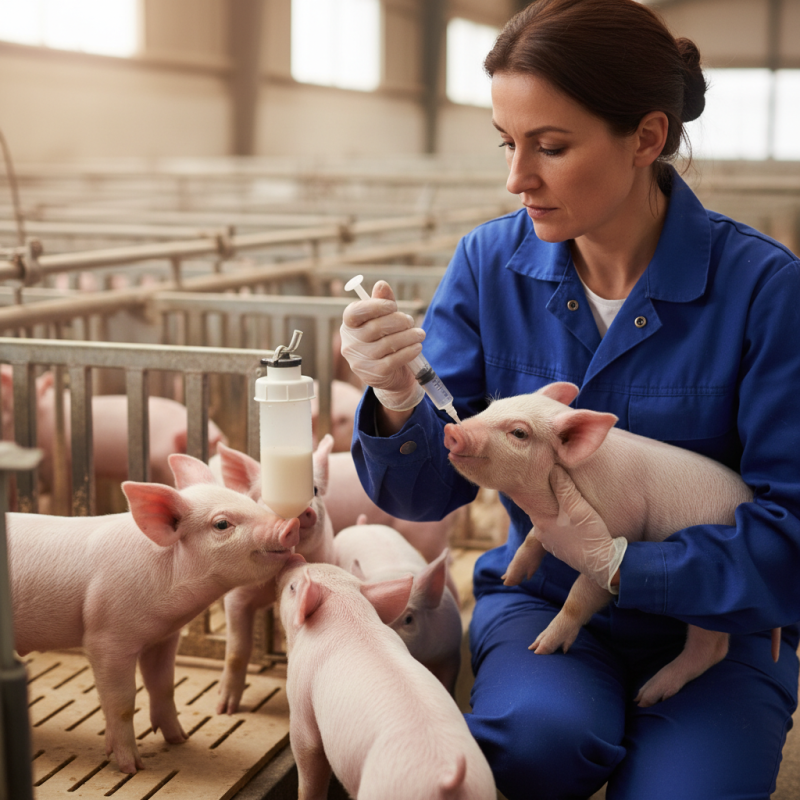
Oral solutions play a crucial role in the health management of piglets. Studies show that proper hydration and supplementation enhance their growth and immunity. In fact, piglets receiving adequate oral solutions display a 15% higher weight gain in the first few weeks. This improvement directly contributes to better overall productivity on farms.
Understanding the significance of oral solutions involves recognizing their role in preventing dehydration and metabolic disorders. Dehydration can lead to severe health issues, potentially increasing mortality rates in piglets. Reports indicate that 30% of post-weaning mortality is due to dehydration. Adequate oral rehydration can mitigate these risks, ensuring stronger and healthier piglets.
However, administering these solutions is not without challenges. Piglets may resist oral intake initially, which complicates the process. Careful observation and gentle handling are necessary to build trust. The right dosage and frequency must also be considered, as over-administration can lead to diarrhea. Continuous monitoring of the piglets' response will help refine these practices and improve outcomes.
Choosing the right oral solution for piglets is crucial for their health and development. According to a recent study published in the Journal of Swine Health and Production, over 70% of neonatal piglets experience dehydration due to various stressors. Selecting an appropriate oral rehydration solution can significantly improve their recovery rates and overall wellbeing.
Oral solutions should contain electrolytes like sodium and potassium. These help restore hydration quickly. The inclusion of glucose also aids in absorption, enhancing the effectiveness of the solution. Research shows that piglets receiving electrolyte solutions exhibit a 40% faster recovery from dehydration.
It's essential to assess the specific health needs of your piglets. Solutions should be tailored to address conditions such as diarrhea or stress, as these are common challenges in piglet management.
When administering oral solutions, equipment matters. Using the right syringe or dosing tool ensures accurate delivery. However, inconsistent techniques can lead to stress for both the caregiver and the piglet. Observing how piglets respond is vital. For instance, if a significant number refuse the solution, it may indicate a preference for flavors or the delivery method used. Being adaptable can make the difference in achieving successful administration.
Administering oral solutions to piglets requires careful attention. First, ensure the piglet is comfortable and secure. Hold it gently, so it feels safe. Use a syringe or dropper for precise delivery. Aim for the side of the mouth to avoid choking. This method encourages swallowing and reduces stress.
Tips are essential for success. Always check the solution's temperature; it should be room temperature. Cold solutions may cause discomfort. Monitor the piglet's response after administration. If it seems agitated, pause and soothe the animal. Patience is key in this process. Not all piglets will accept the solution easily.
Preparation is equally important. Before administering, ensure a clean environment. Gather all necessary tools in advance. This minimizes interruptions and maintains focus. Sometimes, mess will happen, and that's okay. Reflect on what works best for each piglet. Adjust your approach based on their reactions.
Administering oral solutions to piglets requires skill and patience. Ensuring piglets accept these solutions can significantly enhance their health and growth. According to industry studies, piglets given oral solutions in early life show better growth rates, with some reports indicating a 15% increase in weight gain compared to untreated counterparts.
One effective approach is to use a suitable delivery method. A syringe without a needle or a dosing cup can make administration easier. Gradual introduction of the solution can help piglets adjust. It's essential to monitor their body language. If they resist, it may be necessary to reassess the flavor or temperature. Piglets are more likely to accept warmth.
Creating a calm environment is crucial. Stress can lead to refusal. A study published in the Journal of Animal Science suggests that lower stress levels during administration improve acceptance rates by up to 30%. This highlights the importance of comfort.
When administering, avoid direct eye contact. Instead, approach gently from the side. Mix the solution with palatable substances, if approved, to enhance acceptance. Many piglets have preferences. Finding out these preferences is key to success.
Monitoring the effectiveness of oral solutions in piglets is crucial for ensuring their health and well-being. Regular observations can help determine if the treatment is working or if adjustments are needed. Check the piglets’ behavior, appetite, and overall vitality. These signs can provide valuable feedback on the treatment's impact.
Conducting weight checks is also essential. Observe any changes in weight weekly. A steady or improved weight usually indicates effective treatment. Conversely, weight loss can signal a need for reevaluation. Consider recording these findings meticulously. This practice creates a clear timeline of progress or setbacks.
Engaging with veterinary professionals adds another layer of assurance. Their expertise can guide interpreting your observations. They may suggest modifications to the treatment plan based on the piglets' responses. Reflect on the information collected and remain flexible. Be open to evolving your approach based on these insights.
| Parameter | Description | Assessment Metric | Evaluation Frequency |
|---|---|---|---|
| Dosage Accuracy | Ensure correct dosage is administered based on weight | Percentage of correct dosages | Every administration |
| Administering Method | Evaluate the technique for administration (syringe, feeder) | Success rate of administration | Every day |
| Piglet Acceptance | Monitor tolerance and willingness to consume solution | Percentage of piglets consuming solutions | Every meal time |
| Hydration Status | Check for signs of dehydration before and after treatment | Body weight change | Every 48 hours |
| Health Monitoring | Observe for adverse reactions or health improvements | Frequency of health issues reported | Daily |
: Oral solutions help with hydration and nutrition, leading to improved growth and immunity in piglets.
Dehydration can cause health issues. Approximately 30% of post-weaning mortality is linked to dehydration in piglets.
Using a syringe or dosing cup and introducing the solution gradually can help piglets adjust.
Comfort is crucial. Ensure the piglet feels secure and monitor its response closely after administration.
Room temperature solutions are more comfortable for piglets. Cold solutions may cause distress and refusal.
Approach gently and avoid direct eye contact. A calm setting encourages piglets to accept the solutions.
Reassess factors like flavor or temperature. Some piglets may need time or encouragement to accept it.
Yes, gather all necessary tools and ensure a clean environment to minimize distractions during the process.
Messes are common. It's essential to reflect on your approach and learn what works best for each piglet.
Monitor piglets for signs like diarrhea. Adjust dosage as needed based on their responses and health.
Administering oral solutions to piglets is a crucial aspect of ensuring their health and wellbeing. Understanding the importance of these solutions helps caregivers provide targeted interventions tailored to the piglets' specific health needs. To answer the question, "what is the best way to administer oral solutions to piglets," one must choose the appropriate solution based on the piglet's condition and follow a clear step-by-step guide for effective delivery.
It is essential to create a positive experience for piglets, employing best practices that encourage acceptance of oral solutions. This may involve using gentle techniques and ensuring a calm environment. Additionally, monitoring the piglets post-administration is vital to evaluate the treatment's effectiveness and make necessary adjustments. By focusing on these strategies, caregivers can optimize the health outcomes for piglets, paving the way for a successful growth phase.
