Vetsys Pharmaceutical
When it comes to poultry health, understanding how to calculate poultry medicine dosage in drinking water is crucial. Accurate dosing ensures that birds receive the correct amount of medication. This practice can help reduce the spread of illness in flocks and promote overall well-being.
Farmers often struggle with dosage calculations. It's easy to make mistakes. Basic math is involved, and a small error can have significant consequences. Therefore, having reliable methods and guidelines is vital.
Using a clear system simplified my calculations. I measured the water consumption of my birds carefully. I documented the exact dosage needed for each medication. This approach greatly minimized the risks. Ultimately, practical knowledge and experience enable poultry owners to make informed decisions. Supporting each step with sound reasoning reinforces the effectiveness of treatment plans.
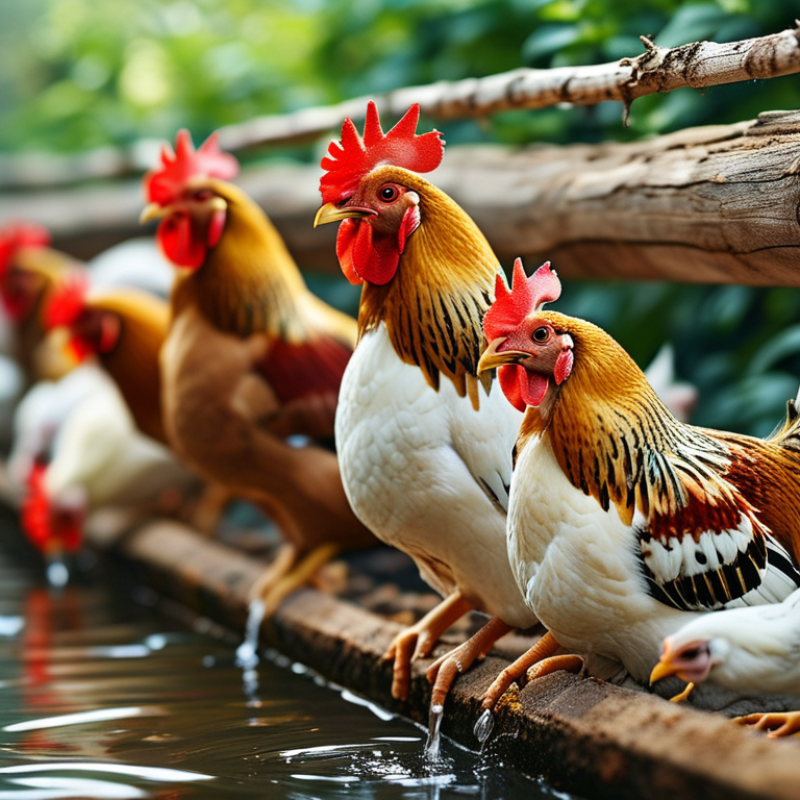
Poultry medicine plays a crucial role in maintaining the health of flocks. It involves the use of various medications to prevent and treat diseases. Understanding the importance of selecting the right dosage of medicine is vital. Dosage can vary based on the age and size of the birds. Miscalculating can lead to under-treatment or toxicity.
Farmers often face challenges when administering medication through water. It's essential to ensure that all birds receive the correct dose. This becomes particularly difficult in larger flocks. Birds may drink unevenly, leading to discrepancies in dosage. Additionally, water consumption varies with temperature and stress levels. Monitoring these factors is important for effectiveness.
Education and experience play significant roles in effective poultry management. Seeking knowledge from trusted sources can help improve practices. Understanding poultry health requires ongoing learning and adaptation. Mistakes can happen, but they’re opportunities for growth. It’s essential to reflect on past experiences to enhance future outcomes in flock health management.
Calculating poultry medicine dosage in drinking water is complex. Factors influencing dosage include age, weight, and health status of the birds. For instance, younger birds metabolize medicines differently than mature ones. The National Research Council suggests that younger birds often require lower dosages due to their smaller body weight and developing immune systems.
Water quality also plays a crucial role. Medications can interact with contaminants, reducing their effectiveness. A study reported that up to 30% of medication potency is lost when water contains high levels of pathogens. It's essential to ensure clean, fresh water for proper medication absorption. Underestimated water quality can lead to treatment failures.
Environmental conditions must not be overlooked. Temperature and humidity can affect how poultry drink water. Research indicates that heat stress can increase water intake, leading to higher medicine dosages than intended. Improper calculations here can result in overdosing. A balanced understanding of these factors is critical for effective treatment in poultry management.
Calculating the dosage of poultry medicine in water can seem daunting, but it’s crucial for your flock’s health.
Start by knowing the total weight of your birds. Weigh each bird to get precise figures. This method ensures you provide the right dosage. Each medicine has its specific dosing guidelines, often listed in mg per kg of body weight. Use a calculator for accuracy.
Next, determine the total water consumption of your flock. Chickens typically drink between 0.5 to 1 liter of water per bird per day. Adjust this according to weather conditions or age. Divide the total weight by the number of birds and multiply by the dosage amount. This step is essential. If you miscalculate, it could lead to underdosing or overdosing.
Remember, not all medicines have a straightforward calculation. Some require adjustments based on the age or health of the birds. Always double-check your calculations. It's easy to make mistakes when working with numbers. Keep in mind that your birds' well-being depends on your diligence in preparing their medication accurately.
Calculating the correct dosage of poultry medicine in water is a critical task. Many farmers make mistakes that can jeopardize their flocks' health. One common oversight is not accounting for water consumption variations. Birds often drink differently depending on age, season, and stress levels. This inconsistency can lead to underdosing or overdosing, which impacts treatment effectiveness.
Another mistake involves improper measurements. Using the wrong tools, like household cups instead of precise measuring devices, can result in serious errors. This lack of precision can create an imbalance in dosage. It’s crucial to double-check calculations and consider the flock's total weight. Accurate dosage could mean the difference between health and complications.
It's also essential to be cautious about medication combinations. Mixing certain medicines without guidance might produce harmful effects. Each treatment can behave differently when mixed, potentially leading to unexpected reactions. Always consult with a veterinarian before making these decisions. Reflecting on past experiences can help avoid these pitfalls in the future.
| Medicine Name | Dosage per Liter (ml) | Dosing Frequency | Common Mistakes | How to Avoid |
|---|---|---|---|---|
| Antibiotic A | 5 | Once daily for 5 days | Incorrect water volume used | Measure water accurately |
| Vitamin Booster B | 2 | Twice weekly | Overdosing | Follow guidelines strictly |
| Electrolyte Solution C | 10 | As needed | Not mixing well | Stir thoroughly before use |
| De-wormer D | 4 | Once every 3 months | Not considering flock size | Calculate dosage per bird |
Administering medications in poultry farming requires precision and care. Farmers often face challenges when calculating dosage, particularly when mixing medicines in water. According to recent industry reports, incorrect dosages can lead to treatment failure and increased resistance. A study indicated that nearly 20% of poultry operations administer incorrect medication levels, which compromises animal health.
Using water as a vehicle for medication can simplify the process. However, factors such as water intake variations must be considered. Poultry can drink between 0.5 to 1 liter of water per day, depending on their age and temperature. Adapting dosage calculations based on these factors ensures a more effective treatment plan. Monitoring water consumption accurately is crucial. Farmers should keep records to identify trends.
Moreover, challenges arise when multiple medications are required. In such cases, interactions can diminish efficacy. Evaluating the timing and method of administration can lessen potential interactions. Clear communication within the poultry care team is vital, as misconceptions can lead to errors. Understanding each bird’s unique requirements enhances treatment outcomes.
: Poultry medicine helps prevent and treat diseases, ensuring the overall health of bird flocks.
Dosage depends on the age, size, and health of the birds. Miscalculating can lead to issues.
Ensuring every bird gets the correct dose in large flocks is often difficult.
Birds drink unevenly, influenced by stress and temperature, which can affect the dosage received.
Continuous learning helps improve practices and manage flock health effectively. Reflection on mistakes is crucial.
Poor water quality can reduce medication potency, making clean water essential for treatment success.
Heat stress can increase water intake, potentially leading to higher dosages and overdosing risks.
Yes, younger birds may need lower dosages due to their size and developing immune systems.
It can lead to treatment failures as medications lose potency due to contaminants.
They provide learning opportunities that can enhance future flock health strategies.
In the realm of poultry farming, understanding how to calculate poultry medicine dosage in drinking water is crucial for maintaining the health and productivity of the flock. This process involves several key factors, such as the specific medicine being used, the weight and age of the birds, and the overall health status. A step-by-step guide provides an effective methodology for accurate dosage calculation, helping farmers avoid common mistakes that can arise from miscalculations.
Best practices for administering these medications include ensuring clean water sources and proper mixing of the medicine, which can enhance its efficacy and promote the overall well-being of the poultry. By following these guidelines, farmers can ensure they are providing the appropriate treatment effectively, thereby supporting the health of their poultry and optimizing farm operations.
