Vetsys Pharmaceutical Vetsys Pharmaceutical

2026 How to Prevent Incorrect Antibiotic Dosage Risks in Farm

Time:2026-10-20 Author:Madeline
0%

In 2026, responsible antibiotic use remains central to animal welfare, farm productivity, and public health. Farmers often work under pressure, especially when several animals show fever, coughing, diarrhea, or reduced appetite. A hurried dose can look efficient. It may not be.

So, what are the risks of incorrect antibiotic dosage in farming? The answer reaches beyond one sick animal. An underdose may leave bacteria alive, allowing treatment failure and encouraging antimicrobial resistance. An overdose can increase toxicity, disrupt gut health, raise treatment costs, and create avoidable residue concerns in meat, milk, or eggs. Withdrawal periods can also become difficult to manage when records are incomplete.

Livestock veterinarian Dr. Scott Haskell has emphasized a practical stewardship principle: “The right drug, at the right dose, for the right duration.” That sentence sounds simple. Farms are not simple. Body weight estimates may be rough, water intake changes with heat, and shared feeders can distribute uneven amounts. These details matter.

A reliable prevention plan begins with veterinary diagnosis, accurate weighing, calibrated dosing equipment, and clear treatment records. It also requires checking the product label and respecting the stated withdrawal period. Antibiotics should not replace vaccination, hygiene, ventilation, or isolation.

Mistakes still happen. That deserves honesty. A strong farm system reviews them instead of hiding them. When a calf receives too little medicine, the response should include documentation, veterinary advice, and a review of how the error occurred. Precision protects animals today and preserves effective treatments for tomorrow.
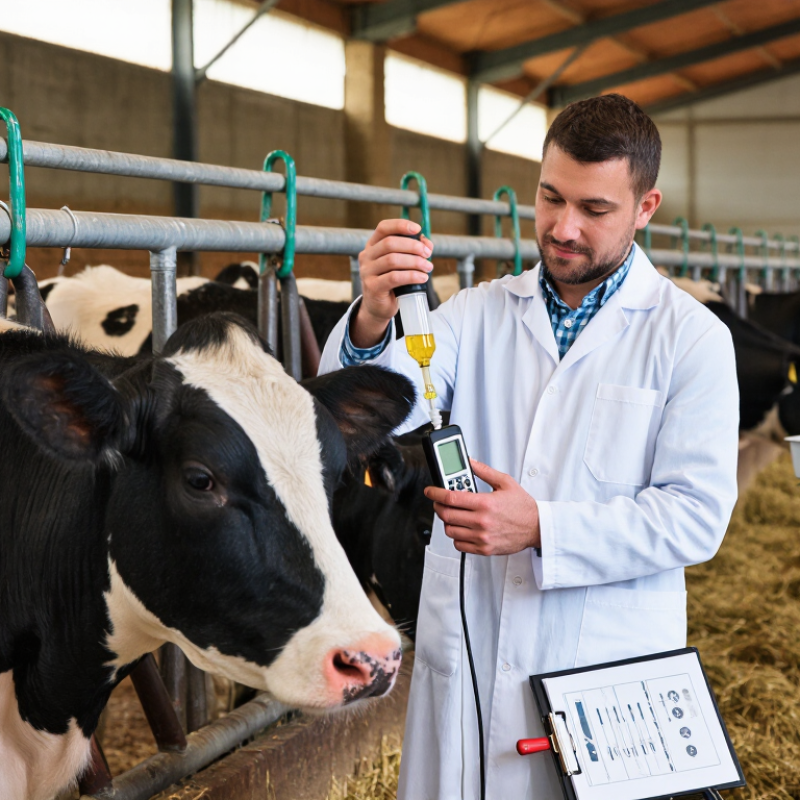
2026 How to Prevent Incorrect Antibiotic Dosage Risks in Farm

Identify the Causes and Consequences of Incorrect Farm Antibiotic Dosages

2026 How to Prevent Incorrect Antibiotic Dosage Risks in Farm

Identify the Causes and Consequences of Incorrect Farm Antibiotic Dosages

Incorrect antibiotic dosages often begin with small, avoidable mistakes. A worker may estimate an animal’s weight instead of using a scale. Another may confuse milligrams with milliliters. Different product concentrations can also create dangerous calculation errors. Rushed handling, unclear records, poor syringe calibration, and weak staff training increase the risk.

The consequences can appear quickly. An underdose may fail to control an infection, leaving an animal in pain and delaying recovery. It can also encourage resistant bacteria, making future treatment more difficult. An overdose may cause toxic reactions, organ stress, or unnecessary production losses. Residues in meat or milk can also create serious food safety concerns when required withholding periods are ignored.

Practical farm checks matter. Weigh animals when possible, record the calculation, and confirm the product concentration before treatment. A veterinarian should review protocols, especially for young, dehydrated, or seriously ill animals. Two trained workers can independently check the dose. Simple steps help.

Still, no system is perfect. A correct formula can fail when records are incomplete or equipment is damaged. Farms should review treatment logs after mistakes, without hiding them. That honest review may reveal a deeper problem, such as poor training or an unrealistic work schedule. Reliable dosing depends on both technical knowledge and careful daily habits.

Assess Animals, Diseases, and Treatment Needs Before Medication

2026 How to Prevent Incorrect Antibiotic Dosage Risks in Farm

Before medication, assess the animal, the disease, and the actual treatment need. A cow with a swollen udder may have bacterial mastitis, but swelling alone does not prove infection. Check temperature, appetite, hydration, breathing, and the affected area. Collect diagnostic samples when practical, especially during repeated outbreaks.

Dose decisions should match the animal’s weight, species, age, and health condition. Estimate weight carefully. A weak scale estimate can create a serious dosing error. Read the approved label and follow veterinary instructions. Never extend treatment because improvement seems slow. Never reuse leftover medicine for a different disease.

Observe the whole group, not only the sick animal. Poor housing, dirty water, stress, or sudden feed changes may increase disease pressure. Treating every animal can hide the real problem. It can also increase unnecessary antibiotic exposure. Keep clear records of the animal, medicine, dose, timing, and response. Simple notes matter.

Review the plan with a veterinarian when symptoms worsen, return, or spread. Drug interactions and kidney or liver problems may change the safest approach. I admit that fast treatment can feel more responsible than careful assessment. It is not always better. A rushed decision may select the wrong medicine, the wrong dose, or no medicine at all. Check the animal again. Record what changed.

How to Prevent Incorrect Antibiotic Dosage Risks on Farms

This calculation example shows how the required amount of active ingredient changes with the prescribed dose rate for a 500 kg animal. The calculation is: body weight × prescribed dose rate = active ingredient required.

Before medication, confirm the animal or group, diagnosis, current body weight, veterinarian-approved medicine, dose rate, route, timing, and withdrawal period. Actual treatment must follow the product label and veterinary direction; the values shown are not treatment recommendations.

Example basis: 500 kg animal; calculated active ingredient amounts are 2.5 g, 5 g, 7.5 g, and 10 g at dose rates of 5, 10, 15, and 20 mg/kg respectively.

Calculate Accurate Doses by Species, Weight, and Drug Strength

2026 How to Prevent Incorrect Antibiotic Dosage Risks in Farm

Calculate Accurate Doses by Species, Weight, and Drug Strength

On a busy farm, an antibiotic dose can be wrong before the syringe is filled. Cattle, pigs, poultry, and sheep may process medicines differently. A calculation suitable for one species may be unsafe for another. Record the animal’s species, age, health status, and exact body weight. Guessing weight is convenient. It is also a common failure point.

Use only the dose prescribed by a qualified veterinarian. The working formula is simple: required milligrams equal milligrams per kilogram multiplied by body weight in kilograms. For liquid medicine, volume equals required milligrams divided by concentration in milligrams per milliliter. Check the strength carefully. “100 mg/mL” is not the same as “100 mg per dose.” Confirm every unit before measuring.

Ask a veterinarian to verify species suitability, treatment duration, withdrawal requirements, and adjustments for illness or dehydration. Never copy a dose from a neighboring pen. Use a calibrated scale and a clearly marked syringe. Recheck the arithmetic aloud, then record the date, animal identification, strength, amount, and administrator. Mistakes still happen. A smudged record or rushed conversion can repeat them tomorrow.

Apply Safe Administration, Storage, and Record-Keeping Procedures

2026 How to Prevent Incorrect Antibiotic Dosage Risks in Farm

Safe antibiotic use begins with accurate animal assessment. Record each animal’s weight, condition, and treatment history before measuring a dose. Use a clean, calibrated syringe or dosing gun. Never estimate by eye. Small errors spread.

Check the medicine label every time. Confirm concentration, route, dosage interval, expiry date, and withdrawal period. A product with a similar name may have a different strength. Follow the directions from a licensed veterinarian and current local requirements. Do not increase, reduce, or extend treatment because an animal appears unchanged. If improvement is slow, seek professional advice rather than guessing.

Storage conditions protect dosage accuracy. Keep medicines in their labeled containers, away from direct sunlight, moisture, feed, and unauthorized access. Follow temperature instructions, and use a thermometer when refrigeration is required. Do not place opened products beside food or vaccines. Inspect liquid medicines for unexpected changes, such as particles, separation, or discoloration. Labels get ignored. That is a real weakness in busy barns.

Record the animal identification, date, medicine, concentration, amount, route, administrator, and withdrawal date immediately after treatment. Include missed doses, spills, and unusual reactions. Paper notes can work, but rushed handwriting creates avoidable mistakes. Review records weekly with the farm manager or veterinarian. An honest record of an error is more useful than a perfect-looking record that hides one.

Monitor Treatment Results and Prevent Antibiotic Resistance Risks

Antibiotic treatment should be judged by animal recovery, not by the bottle becoming empty. Record the animal group, diagnosis, dose, route, and treatment time. Check temperature, appetite, water intake, breathing, stool, and wound swelling each day. Use the same observations whenever possible. Clear records help the veterinarian identify slow responses and possible treatment failure.

A practical review may happen after 24 to 48 hours, depending on the illness. Improving appetite is useful, but it is not enough. Persistent fever, weakness, or spreading inflammation needs veterinary assessment. Laboratory testing, including culture and susceptibility testing, can guide treatment when infection does not improve. Never extend, shorten, or change an antibiotic course without professional direction. Leftover medicine can hide a wrong diagnosis. It can also encourage resistant bacteria.

Our first treatment records were too vague. We wrote “better” instead of noting breathing rate or feed intake. That weakness made decisions harder. Now, staff use simple checkboxes and photograph visible wounds when appropriate. They also separate treated animals from healthy groups when advised. This reduces missed doses and makes progress easier to compare. Review treatment results with a veterinarian, especially after repeated failures or unusual deaths. Sometimes the problem is not resistance. Poor dosing, difficult drug delivery, stress, or another disease may be responsible. Mistakes happen. They must be noticed early.

FAQS

What should be checked before giving medication to a farm animal?

Check temperature, appetite, hydration, breathing, and the affected body area. Swelling alone does not prove infection. Look closely.

How can the correct dose be determined?

Match the dose to species, age, weight, and health condition. Estimate weight carefully. A poor estimate can cause serious dosing errors.

Should every animal in a group receive antibiotics?

Not automatically. Examine the whole group, housing, water, feed changes, and stress. Treating every animal may create unnecessary exposure.

Can leftover medicine be used for another illness?

No. Leftover medicine may hide a wrong diagnosis. Use only professional instructions and the approved treatment directions.

When should treatment results be reviewed?

Review progress within 24 to 48 hours, depending on the illness. Check appetite, temperature, water intake, breathing, stool, and swelling.

What signs suggest that veterinary advice is needed?

Contact a veterinarian when fever, weakness, or inflammation continues. Seek help if symptoms worsen, return, or spread.

What records should farm staff keep?

Record the animal group, diagnosis, medicine, dose, route, timing, and response. Simple checkboxes help. “Better” is too vague.

How can farms reduce antibiotic resistance risks?

Use accurate doses, avoid unnecessary treatment, and never change the course without professional direction. Culture and susceptibility testing may help.

What other problems can cause treatment failure?

Resistance is not always the cause. Poor dosing, difficult delivery, stress, kidney problems, or another disease may be responsible.

Why is careful assessment sometimes better than fast treatment?

Fast action can feel responsible, but it may choose the wrong medicine. Recheck the animal, record changes, and question rushed decisions.

Conclusion

Incorrect antibiotic dosage in farming can lead to treatment failure, prolonged illness, animal suffering, toxic reactions, and unnecessary financial losses. The question “what are the risks of incorrect antibiotic dosage in farming” also includes broader concerns, such as the development of antibiotic-resistant bacteria, which can make future infections harder to control. To reduce these risks, farmers should first identify the animal’s condition, the suspected disease, and whether antibiotic treatment is appropriate. A qualified veterinarian should guide medication choices and treatment decisions.

Accurate dosing requires checking each animal’s species, body weight, health status, drug concentration, and recommended treatment period. Antibiotics should be administered safely, stored according to label instructions, and recorded with details such as dosage, timing, animal identification, and treatment results. Animals should be monitored for improvement or adverse reactions, and ineffective treatments should be reviewed promptly by a veterinarian rather than extended or repeated without guidance. Careful assessment, precise measurement, responsible use, and complete records help protect animal health, food safety, and long-term treatment effectiveness.

Madeline

Madeline

Madeline is a dedicated marketing professional with a wealth of expertise in our company's core offerings. With a keen understanding of the industry, she brings a unique perspective to her role, consistently delivering high-quality content that highlights the superior aspects of our products. As......